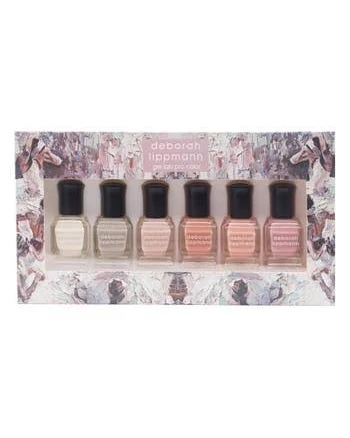
Deborah Lippmann · Nail Polish & Top Coat
Deborah Lippmann Swan Lake Gel Lab Pro Nail Polish Set
Wait for brand clarification; gel polishes rarely undergo PFAS testing.
The brand makes no public statements about PFAS in this gel line. Gel polish isn't inherently water-resistant or stain-resistant, but the brand provides neither transparency nor third-party verification.
The better-graded swap
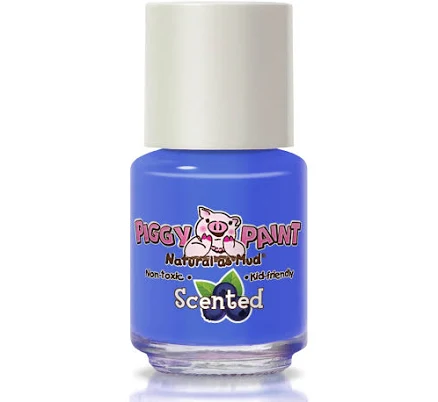
Piggy Paint
Nail Polish Piggy Paint
100/100 safety
Same rubric that flunked this product. The swap earned Excellent.
Still want this one anyway? Check the price on Amazon. We’d swap it.
Material
gel nail polish (acrylate-based polymer)
Brand disclosure
Brand is silent on PFAS
Lab data
No public lab test
Is Deborah Lippmann Swan Lake Gel Lab Pro non-toxic? What it is made of
Deborah Lippmann Swan Lake is an acrylate-based gel polish formulated for UV or LED curing. Gel polishes cure into a rigid polymer matrix that adheres to the nail plate, meaning dermal absorption is minimal after cure. The uncured gel liquid contains oligomers, photoinitiators (benzophenone derivatives), and solvents like ethyl acetate and isopropyl alcohol; these are volatile and can irritate respiratory and ocular tissues during application, especially in poorly ventilated spaces.
What’s concerning
Category baseline
The starting point for this type of product, before anything specific to this product is counted.
No PFAS disclosure
No public statement from the brand about PFAS in this product.
Volatile organic compounds (VOCs) from uncured gel solvents
Ethyl acetate and isopropyl alcohol vapors during application can cause headache, dizziness, and respiratory irritation in unventilated settings. Specific emission data for Deborah Lippmann products is not publicly available, but acrylate gel systems commonly release these compounds.
Photoinitiator contact sensitization (benzophenone derivatives)
Uncured gel contact with skin or nail folds can trigger allergic contact dermatitis in sensitized individuals; benzophenone-3 and related compounds are known allergens. Deborah Lippmann does not specify photoinitiator chemistry, making individual risk assessment difficult.
Methacrylate monomer residuals in cured film
Incomplete polymerization during cure can leave trace monomers (including methyl methacrylate or related acrylates) in the hardened polish. These may leach into saliva or cause nail sensitization with repeated or prolonged contact; risk is reduced with proper LED/UV curing but is not zero.
What’s reassuring
Base material not linked to PFAS
The main material recorded for this product is not one associated with PFAS.
Heavy metals
No recalls or testing data on record for lead, cadmium, or arsenic in Deborah Lippmann gel polish colorants. Premium brands in this segment typically avoid problematic pigments, but third-party verification is absent for this specific product.
Source, FDA ↗Formaldehyde / VOCs
Gel polishes are not known to use formaldehyde-releasing hardeners (those are typical in traditional lacquers). No evidence of this hazard class in acrylate gel systems, but ingredient lists are proprietary.
Source, ATSDR ↗The full breakdown
The brand's record and disclosure
Deborah Lippmann is a prestige nail polish brand with no publicly documented recalls or regulatory actions specific to this product line. The brand does not publish a full ingredient safety disclosure or third-party toxicology testing summary on its website. Marketing emphasizes 'professional' formulation but does not specify whether the line is '3-free,' '5-free,' or higher. No PFAS testing data has been released by the brand for any gel polish product.
How it compares in its category
Most gel nail polishes across price points share similar acrylate chemistry and curing protocols, so hazard profiles are broadly comparable. Some brands (OPI, Shellac) publish formulation standards and allergen lists; Deborah Lippmann's transparency on this is average to below-average for the premium segment. The Swan Lake set includes a top coat, which is a standard offering; top coats add an extra solvent exposure during application but do not significantly alter chemical risk.
If you buy it
Apply in a well-ventilated space (near a fan or in a room with open windows) to minimize inhalation of uncured gel vapors. UV curing lamps carry a separate occupational skin cancer risk if used frequently; LED lamps are preferable and emit lower UV. Cure time is typically 30-60 seconds per coat under manufacturer-specified lamps; do not extend curing time beyond specs. Remove gel with acetone (not non-acetone removers, which are less effective and may leave residue) and allow nails to breathe for 48 hours between applications to avoid chronic nail brittleness.
What we don’t know
- Basis
- Model estimate, 35% confidence, not a lab result
- Lab test
- None on record for this exact product
- Brand statement
- Deborah Lippmann has made none
Formulations change between production runs, so check the current label. How we grade.
Better-graded alternatives in Nail Polish & Top Coat
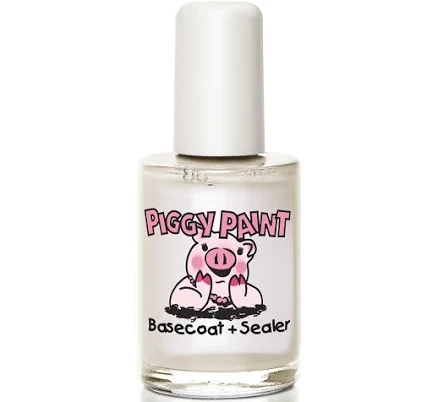
Piggy Paint
Basecoat & Sealer Nail Polish
- Water-based organic pigments and plant-derived resins
- The brand calls it PFAS-free, which we have not verified
- Heavy metals
3 hazards checked on this product. See all of them.
Piggy Paint
Nail Polish Piggy Paint
- water-based pigmented lacquer
- The brand calls it PFAS-free, which we have not verified
- Volatile organic compounds (VOCs) from resins and solvents
3 hazards checked on this product. See all of them.
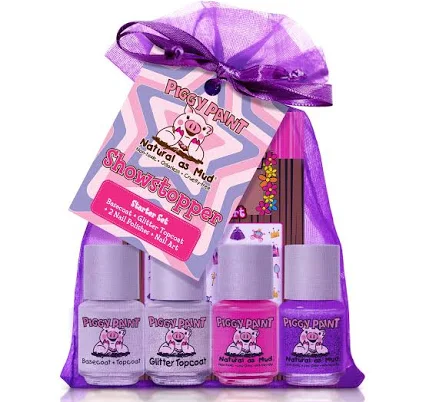
Piggy Paint
Showstopper Nail Polish Set
- organic pigments, plant-based resins, water-based lacquer
- The brand calls it PFAS-free, which we have not verified
- Volatile organic compounds (VOCs)
2 hazards checked on this product. See all of them.
More nail polish & top coat grades
How we score, every product runs through the same public 0-100 rubric based on materials, coatings, brand disclosure, lab findings, and recalls. See the full methodology → Spotted a mistake? Report an error.