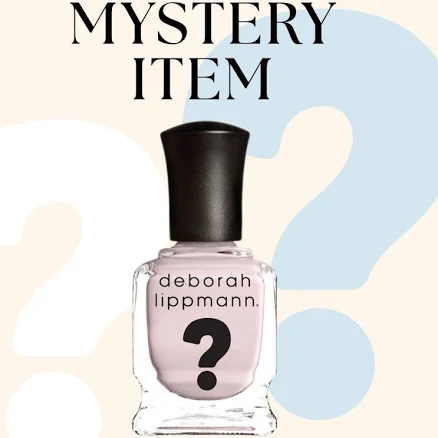
Deborah Lippmann · Nail Polish & Top Coat
Mystery Item - Deborah Lippmann Lacquer
Insufficient transparency; brand silence limits confidence on PFAS status.
This conventional cosmetic lacquer formula doesn't typically require PFAS, but the brand makes no public disclosures or certifications. Without testing or transparency, risk remains unconfirmed.
The better-graded swap
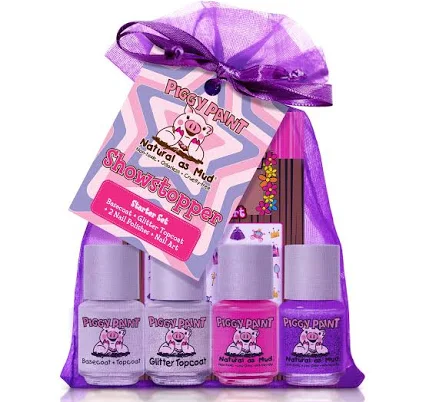
Piggy Paint
Piggy Paint Showstopper Nail Polish Set
100/100 safety
Same rubric that flunked this product. The swap earned Excellent.
Still want this one anyway? Check the price on Amazon. We’d swap it.
Material
nail lacquer (film-forming polymers, resins, solvents)
Brand disclosure
Brand is silent on PFAS
Lab data
No public lab test
Is Mystery Item - Deborah Lippmann Lacquer non-toxic? What it is made of
Deborah Lippmann lacquers are solvent-based nail polishes containing film-forming resins (typically nitrocellulose), plasticizers, and volatile organic solvents like toluene, xylene, and dibutyl phthalate (DBP). These solvents evaporate during application and drying, which is why ventilation matters. The resin base hardens on the nail plate and remains inert once cured, but the uncured liquid formulation carries inhalation risk from solvent off-gassing during brush application and drying.
What’s concerning
Category baseline
The starting point for this type of product, before anything specific to this product is counted.
No PFAS disclosure
No public statement from the brand about PFAS in this product.
Volatile organic solvents (toluene, xylene, etc.)
Standard solvent-based nail lacquers contain these compounds; they evaporate during application and drying, creating inhalation exposure. Ventilation significantly reduces risk but does not eliminate it entirely for frequent users.
Dibutyl phthalate (DBP) or other plasticizers
Deborah Lippmann does not disclose phthalate status; DBP is common in solvent-based nail polish to improve flexibility and adhesion. Many brands now market phthalate-free formulations, but absence of this claim here suggests possible DBP presence.
Skin sensitization from uncured lacquer
Nitrocellulose-based lacquers can trigger contact dermatitis in sensitive individuals during application or if wet polish contacts skin around the nail plate. Risk is low with standard precautions but non-zero for people with established polish sensitivities.
Formulation degradation and solvent separation over time
Like most solvent-based polishes, Deborah Lippmann lacquers may thicken or separate if stored improperly or kept beyond 1-2 years; aged formulations can release higher solvent concentrations when applied, increasing inhalation and skin contact risk.
Lack of public ingredient transparency
The brand does not provide a full ingredient list or free-from certifications; consumers cannot independently verify the absence of other hazardous additives (formaldehyde, camphor, xylene) or confirm PFAS status, limiting informed decision-making.
What’s reassuring
Base material not linked to PFAS
The main material recorded for this product is not one associated with PFAS.
The full breakdown
The brand's record and disclosure
Deborah Lippmann does not publicly disclose full ingredient transparency or pursue third-party safety certifications common in the category (such as 10-free or 13-free claims). The brand has not faced documented recalls or safety violations on record. However, their silence on chemical composition and PFAS status limits independent verification of reformulation efforts or hazard mitigation; competitor brands increasingly market solvent reduction or elimination as a selling point, which Deborah Lippmann does not emphasize.
How it compares in its category
Standard solvent-based lacquers like Deborah Lippmann occupy the middle ground, they perform well for color depth and durability but carry higher solvent exposure than gel or water-based alternatives. Many brands now offer 'free-from' certifications (3-free minimum, up to 15-free); Deborah Lippmann has not adopted this marketing or transparency standard. Gel polishes avoid some solvents but introduce UV curing and removal solvent concerns; water-based polishes reduce solvents but sacrifice durability and finish.
If you buy it
Apply in a well-ventilated space or near an open window to minimize inhalation of toluene and xylene fumes during application and the first 10-15 minutes of drying. Avoid prolonged skin contact with uncured lacquer; wash hands after application. Replace the polish every 1-2 years or if the consistency thickens or separates, as aged formulations may degrade. Do not use near heat sources or in hot, humid conditions, as solvents may re-volatilize and affect the finished nail surface.
What we don’t know
- Basis
- Model estimate, 45% confidence, not a lab result
- Lab test
- None on record for this exact product
- Brand statement
- Deborah Lippmann has made none
Formulations change between production runs, so check the current label. How we grade.
Better-graded alternatives in Nail Polish & Top Coat
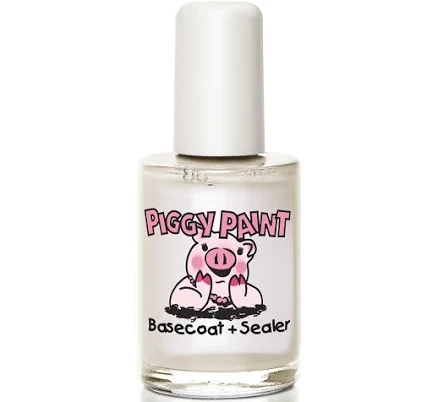
Piggy Paint
Basecoat & Sealer Nail Polish
- Water-based organic pigments and plant-derived resins
- The brand calls it PFAS-free, which we have not verified
- Heavy metals
3 hazards checked on this product. See all of them.
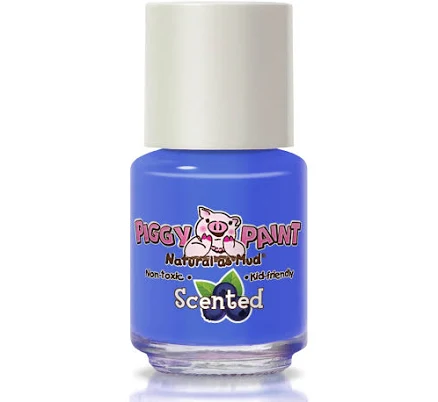
Piggy Paint
Nail Polish Piggy Paint
- water-based pigmented lacquer
- The brand calls it PFAS-free, which we have not verified
- Volatile organic compounds (VOCs) from resins and solvents
3 hazards checked on this product. See all of them.
Piggy Paint
Showstopper Nail Polish Set
- organic pigments, plant-based resins, water-based lacquer
- The brand calls it PFAS-free, which we have not verified
- Volatile organic compounds (VOCs)
2 hazards checked on this product. See all of them.
More nail polish & top coat grades
How we score, every product runs through the same public 0-100 rubric based on materials, coatings, brand disclosure, lab findings, and recalls. See the full methodology → Spotted a mistake? Report an error.