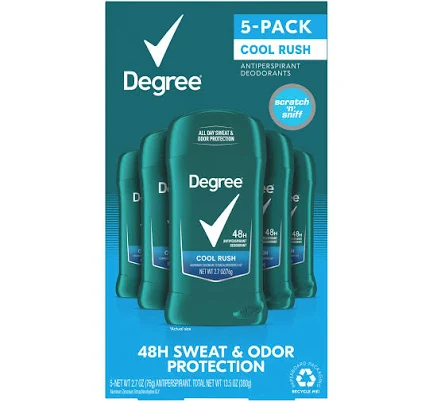
Degree Advanced Men Antiperspirant
Lower concern for a standard antiperspirant without known PFAS vectors.
Advanced features aluminum and cyclodextrin without nonstick or water-resistant coatings that drive PFAS use. Degree offers no PFAS testing or statements, limiting confidence despite lower-risk formulation.
We flunk more products than we pass. This one earned its grade. How we grade
Material
aluminum/cyclodextrin complex antiperspirant, propylene glycol base
Brand disclosure
Brand is silent on PFAS
Lab data
No public lab test
You may also be interested in
Top-graded picks in the categories readers replace first, every one scored on the same rubric.

- polypropylene filter housing, carbon/sediment cartridge
- We found no PFAS statement from the brand
- Bacterial growth in spent cartridges
3 hazards checked on this product, all on its full breakdown.

Aquasure
Premier Series 75 GPD Under Sink Reverse Osmosis Water Filtration System
- RO membrane, carbon filters, stainless steel housing
- We found no PFAS statement from the brand
- Bacterial and microbial growth in housing and filters
4 hazards checked on this product, all on its full breakdown.

Avocado
Vegan Mattress
- organic cotton, natural latex, coconut coir, recycled steel coils
- The brand calls it PFAS-free, which we have not verified
- Heavy metals
2 hazards checked on this product, all on its full breakdown.
What Degree Advanced Men Antiperspirant is made of, ingredients and materials
Degree Advanced uses an aluminum/cyclodextrin complex as its active antiperspirant ingredient, a common formulation designed to reduce sweat while minimizing skin irritation compared to older aluminum salts. The propylene glycol base is a standard humectant and solvent in stick deodorants that keeps the product stable and spreadable. Cyclodextrin is a cyclic sugar that encapsulates aluminum to reduce direct skin contact, which is why this formulation is marketed as "advanced." No unusual chemical hazards are inherent to this material combination at typical use rates.
What’s concerning
Category baseline
The starting point for this type of product, before anything specific to this product is counted.
No PFAS disclosure
No public statement from the brand about PFAS in this product.
Aluminum absorption and systemic exposure
Antiperspirant aluminum compounds are absorbed in small amounts through intact skin; no causal link to Alzheimer's disease or other systemic harm has been established by major health authorities (FDA, WHO), but quantitative absorption rates for this specific cyclodextrin complex are not published for consumer products.
Skin irritation and contact dermatitis
Propylene glycol and aluminum salts can trigger irritation in individuals with sensitive underarm skin or existing dermatitis; cyclodextrin complexation may reduce but not eliminate this risk. Individual tolerance varies; no brand-specific irritation frequency data is published.
Fragrance allergens
Degree Advanced contains fragrance (ingredient listed generically on label); fragrance blends commonly include common contact allergens like limonene and linalool. No specific fragrance formulation details are disclosed, making assessment of allergen risk incomplete.
What’s reassuring
Base material not linked to PFAS
The main material recorded for this product is not one associated with PFAS.
Talc contamination
Degree Advanced is a stick antiperspirant, not a powder; talc is not a standard ingredient in this formulation type. No recalls or reports of talc presence in this product exist.
Formaldehyde / VOCs
No established reports of 1,4-dioxane or formaldehyde-releasing preservatives in Degree antiperspirants. The cyclodextrin/propylene glycol base does not inherently generate these contaminants, though independent testing data for this specific product is not publicly available.
Source, ATSDR ↗How is this PFAS grade calculated?
The brand's record and disclosure
Unilever (Degree's parent company) does not publicly disclose ingredient-by-ingredient safety testing or third-party certifications for this product line. The brand has not faced significant product recalls or regulatory warnings specific to Degree deodorants in the US or EU. Degree does not advertise dermatologist testing or hypoallergenic claims, positioning itself as a mainstream performance product rather than a safety-focused alternative brand. No established pattern of non-disclosure violations applies specifically to this product.
How it compares in its category
Degree Advanced occupies the middle-to-upper mass-market segment; its aluminum/cyclodextrin formulation is chemically similar to competing brands (Secret, Old Spice) but positioned slightly above basic antiperspirants. Aluminum-free alternatives (baking soda, plant-based, mineral-only) exist but typically offer lower sweat control. Clinical-strength antiperspirants (like Certain Dri) use higher aluminum chlorohydrate concentrations, whereas Degree balances efficacy with everyday wearability, making it typical for its category.
If you buy it
Store in a cool, dry place; heat exposure can soften or separate the stick formulation. Replace when used to the base or if the product develops separation or off-odors, typically every 2-3 months with daily use. Apply to clean, dry underarms once daily, usually at night, to maximize efficacy and reduce skin irritation. Discontinue use if rash, burning, or itching develops and consult a dermatologist, especially if you have sensitive skin or a history of contact dermatitis.
What is not known about PFAS in this product?
- Basis
- Model estimate, 72% confidence, not a lab result
- Lab test
- None on record for this exact product
- Brand statement
- Degree has made none
Formulations change between production runs, so check the current label. How we grade.
What are the PFAS-free alternatives to Degree Advanced Men Antiperspirant?
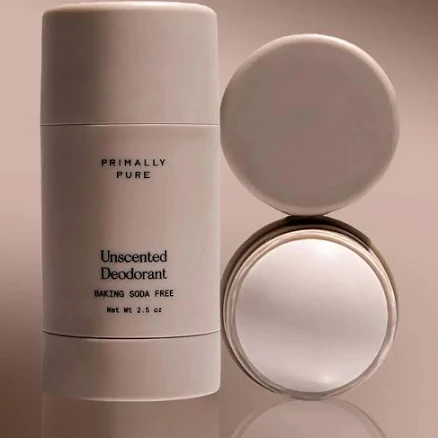
- mineral-based powder blend (arrowroot, magnesium hydroxide, mica)
- We found no PFAS statement from the brand
- Skin irritation from magnesium hydroxide alkalinity
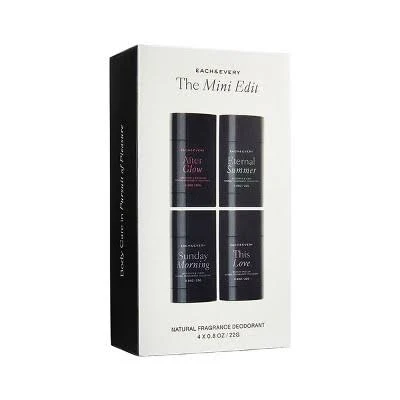
- cosmetic formulations, primary ingredients listed
- A third party reports verifying it as PFAS-free
- Fragrance allergens (natural essential oils)
2 hazards checked on this product, all on its full breakdown.
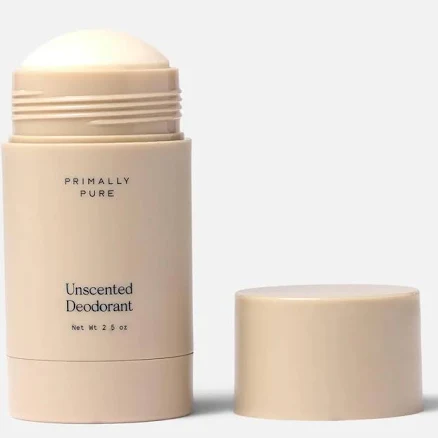
- natural mineral powders, plant-based actives, beeswax
- We found no PFAS statement from the brand
- Beeswax purity and contamination
2 hazards checked on this product, all on its full breakdown.
More deodorant grades
How we score, every product runs through the same public 0-100 rubric based on materials, coatings, brand disclosure, lab findings, and recalls. See the full methodology → Spotted a mistake? Report an error.