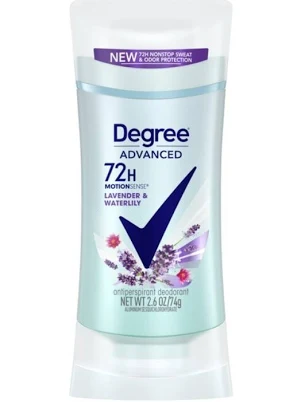
Degree Aluminum Free Deodorant
Lower concern. Deodorant formula unlikely to contain PFAS intentionally.
Degree's aluminum-free formula uses mineral or talc bases without known PFAS. No brand disclosure on PFAS; typical cosmetics pose lower risk than waterproof/treated products.
We flunk more products than we pass. This one earned its grade. How we grade
Material
Aluminum-free active ingredients, talc or mineral-based carrier
Brand disclosure
Brand is silent on PFAS
Lab data
No public lab test
You may also be interested in
Top-graded picks in the categories readers replace first, every one scored on the same rubric.

- polypropylene filter housing, carbon/sediment cartridge
- We found no PFAS statement from the brand
- Bacterial growth in spent cartridges
3 hazards checked on this product, all on its full breakdown.

Aquasure
Premier Series 75 GPD Under Sink Reverse Osmosis Water Filtration System
- RO membrane, carbon filters, stainless steel housing
- We found no PFAS statement from the brand
- Bacterial and microbial growth in housing and filters
4 hazards checked on this product, all on its full breakdown.

Avocado
Vegan Mattress
- organic cotton, natural latex, coconut coir, recycled steel coils
- The brand calls it PFAS-free, which we have not verified
- Heavy metals
2 hazards checked on this product, all on its full breakdown.
What Degree Aluminum Free Deodorant is made of, ingredients and materials
Degree Aluminum Free uses non-aluminum active ingredients, typically plant-derived or mineral compounds like potassium alum or zinc ricinoleate, paired with talc or mineral-based carriers. These carriers provide slip and absorption without the systemic concerns tied to aluminum chlorohydrate or other aluminum salts. The absence of aluminum antiperspirant compounds means this product does not block sweat; it targets odor bacteria instead, making the formulation profile chemically simpler and with fewer documented systemic absorption pathways.
What’s concerning
Category baseline
The starting point for this type of product, before anything specific to this product is counted.
No PFAS disclosure
No public statement from the brand about PFAS in this product.
Talc contamination and asbestos risk
Degree Aluminum Free does not specify whether its carrier base uses cosmetic talc or talc-free mineral alternatives. Historic asbestos contamination in cosmetic talc has been documented in some brands, though modern talc mining and testing have reduced but not eliminated this risk. No recalls specific to this product have been issued; users sensitive to talc or with lung concerns should verify ing
Fragrance allergens and undisclosed components
Degree Aluminum Free includes fragrance compounds listed as 'Fragrance' or 'Parfum' on labels, allowing manufacturers to withhold specific aromatic chemical names under trade secret protections. Fragrance is a known trigger for contact dermatitis and sensitization in a subset of users. Reports of skin irritation and rash associated with Degree deodorants exist in consumer feedback databases, thoug
Skin barrier irritation and dermatitis from botanical actives
Plant-derived active ingredients used in some aluminum-free deodorants (tea tree oil, sage extract, or synthetic odor-suppressants) can trigger contact dermatitis or irritation in sensitive skin, especially on the delicate underarm area. Degree Aluminum Free's specific botanical blend is not detailed in public materials, so individual risk depends on personal sensitivity. Patch testing on inner ar
What’s reassuring
Base material not linked to PFAS
The main material recorded for this product is not one associated with PFAS.
Heavy metals
No published test results or regulatory findings document heavy metal contamination (lead, cadmium, arsenic) in Degree Aluminum Free specifically. Mineral-based carriers like mica or silica carry theoretical heavy metal risk if sourced from contaminated deposits, but cosmetic-grade minerals are typically screened. Independent testing data for this product is not publicly available.
Source, FDA ↗Formaldehyde / VOCs
Degree Aluminum Free formulation status for formaldehyde-releasing preservatives (imidazolidinyl urea, diazolidinyl urea) is not disclosed on the brand website. These compounds are permitted in cosmetics but linked to allergic contact dermatitis in sensitive populations. Without ingredient list review, risk cannot be fully assessed; consumers with known formaldehyde sensitivity should request full
Source, ATSDR ↗How is this PFAS grade calculated?
The brand's record and disclosure
Degree (Unilever subsidiary) has not published detailed ingredient sourcing or third-party safety certifications specific to this line. The brand does not openly disclose PFAS testing results or commitment to PFAS-free formulas, though deodorant products are not flagged as high-risk PFAS containers industry-wide. No major recalls or regulatory actions targeting Degree Aluminum Free have been publicly documented. Unilever maintains general product safety standards but lacks transparency comparable to niche brands in the deodorant space.
How it compares in its category
Aluminum-free deodorants occupy a growing market segment and generally carry lower systemic toxicity concern than traditional antiperspirants. Degree's version sits in the mainstream-accessible tier (mid-price, wide retail distribution) rather than clean-beauty certified or clinical-grade tiers. Talc-based carriers are standard in this category but carry known talc contamination risks; mineral alternatives (mica, silica) are available from smaller brands but less common in mass-market formulas. Performance (odor control duration) typically lags aluminum antiperspirants but is comparable to other non-aluminum deodorants.
If you buy it
Apply to clean, dry skin and reapply as odor breakthrough occurs, typically every 6-8 hours for typical activity levels. Discontinue if skin irritation, rash, or photosensitivity develops; some users report contact dermatitis to botanical ingredients or fragrance compounds in this line. Store in cool, dry conditions to prevent clumping; do not apply to broken skin or immediately after shaving. Replace when product depletes or shows discoloration or separation, typically every 1-2 months with regular use.
What is not known about PFAS in this product?
- Basis
- Model estimate, 72% confidence, not a lab result
- Lab test
- None on record for this exact product
- Brand statement
- Degree has made none
Formulations change between production runs, so check the current label. How we grade.
What are the PFAS-free alternatives to Degree Aluminum Free Deodorant?
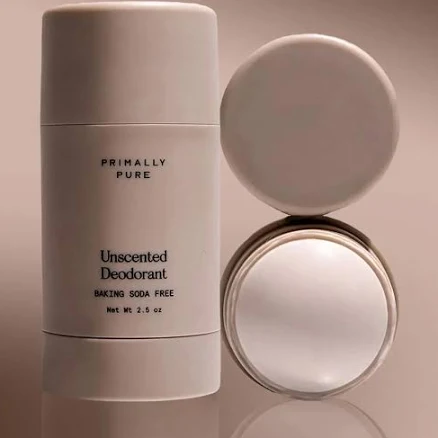
- mineral-based powder blend (arrowroot, magnesium hydroxide, mica)
- We found no PFAS statement from the brand
- Skin irritation from magnesium hydroxide alkalinity
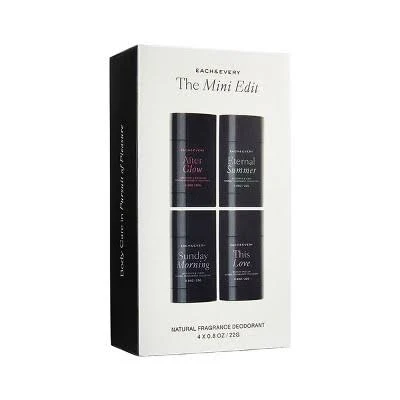
- cosmetic formulations, primary ingredients listed
- A third party reports verifying it as PFAS-free
- Fragrance allergens (natural essential oils)
2 hazards checked on this product, all on its full breakdown.
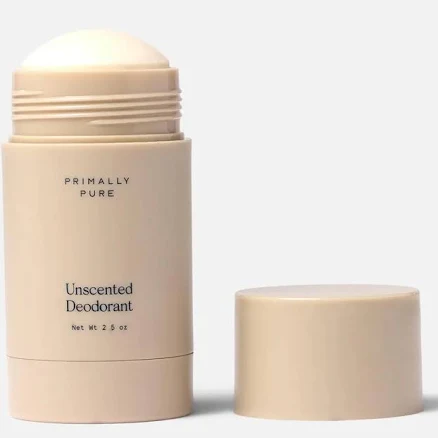
- natural mineral powders, plant-based actives, beeswax
- We found no PFAS statement from the brand
- Beeswax purity and contamination
2 hazards checked on this product, all on its full breakdown.
More deodorant grades
How we score, every product runs through the same public 0-100 rubric based on materials, coatings, brand disclosure, lab findings, and recalls. See the full methodology → Spotted a mistake? Report an error.