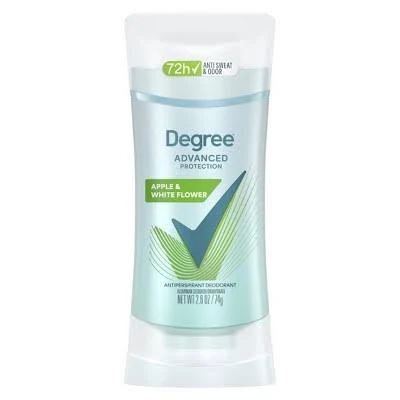
Degree Antiperspirant Deodorant
Lower PFAS concern for typical antiperspirant; check the label for any fluorinated additives.
This conventional powder-based deodorant uses starch, talc, and aluminum salts with no known PFAS manufacturing steps. Degree makes no PFAS claims and no public lab data exists, though cosmetic deodorants rarely contain PFAS.
We flunk more products than we pass. This one earned its grade. How we grade
Material
powder/cream base with starch, talc, or mineral pigments; aluminum salts (antiperspirant active)
Brand disclosure
Brand is silent on PFAS
Lab data
No public lab test
You may also be interested in
Top-graded picks in the categories readers replace first, every one scored on the same rubric.

- polypropylene filter housing, carbon/sediment cartridge
- We found no PFAS statement from the brand
- Bacterial growth in spent cartridges
3 hazards checked on this product, all on its full breakdown.

Aquasure
Premier Series 75 GPD Under Sink Reverse Osmosis Water Filtration System
- RO membrane, carbon filters, stainless steel housing
- We found no PFAS statement from the brand
- Bacterial and microbial growth in housing and filters
4 hazards checked on this product, all on its full breakdown.

Avocado
Vegan Mattress
- organic cotton, natural latex, coconut coir, recycled steel coils
- The brand calls it PFAS-free, which we have not verified
- Heavy metals
2 hazards checked on this product, all on its full breakdown.
What Degree Antiperspirant Deodorant is made of, ingredients and materials
Degree antiperspirant typically contains aluminum salts (aluminum zirconium compounds or aluminum chlorohydrate) as the active sweat-blocking agent, mixed into a powder or cream base with starch, talc, or mineral pigments for texture and adherence. The aluminum salts themselves are well-established cosmetic ingredients with decades of safety history in antiperspirants, though the talc or starch carrier matters, talc has historical contamination concerns, while starch-based formulations avoid that risk. The powder or cream suspension also includes waxes, oils, and silicones to improve spreadability and skin feel.
What’s concerning
Category baseline
The starting point for this type of product, before anything specific to this product is counted.
No PFAS disclosure
No public statement from the brand about PFAS in this product.
Talc contamination (if talc-based formula)
Degree's ingredient label does not always specify talc vs. starch; if talc is present, historical concerns include potential asbestos trace contamination, though modern cosmetic-grade talc is regulated. Talc use in body/underarm products carries lower inhalation risk than powder application to large body areas, but talc sensitivity varies by individual.
Fragrance allergens
Degree antiperspirants include fragrance blends (e.g., 'Sport,' 'Shower Clean') that may contain undisclosed allergens such as limonene, linalool, or other volatile compounds. Individuals with sensitive skin or fragrance sensitivity should patch test or choose unscented formulations.
1,4-dioxane in fragrance or surfactants
1,4-dioxane is a trace contaminant that may form in products containing ethoxylated ingredients (common in cosmetic emulsifiers and foaming agents). Degree does not disclose testing or removal processes; this is an industry-wide potential, not a Degree-specific issue.
What’s reassuring
Base material not linked to PFAS
The main material recorded for this product is not one associated with PFAS.
Aluminum salt systemic absorption
Aluminum compounds in antiperspirants are absorbed minimally through intact skin; no credible evidence links typical antiperspirant aluminum use to neurological or bone harm, despite historical concern. The FDA permits aluminum salts as an active ingredient in cosmetic antiperspirants.
Formaldehyde / VOCs
No established reports of formaldehyde-releasing preservatives (e.g., DMDM hydantoin, diazolidinyl urea) in Degree formulations, though preservative systems are not always disclosed on packaging. Standard cosmetic regulation limits formaldehyde release to specific concentration thresholds.
Source, ATSDR ↗How is this PFAS grade calculated?
The brand's record and disclosure
Degree (owned by Unilever) does not publish detailed safety certifications, PFAS-free claims, or third-party testing results on its website or packaging. The brand has faced no major recalls or established safety controversies in FDA or CPSC records for antiperspirant formulations. Unilever has made general commitments to reduce PFAS in personal care products but has not issued Degree-specific ingredient transparency or reformulation announcements.
How it compares in its category
Degree is a mainstream antiperspirant with formulations comparable to Dove, Secret, and Clinique; all use similar aluminum salt actives and carrier systems. Some competitors (e.g., Schmidt's, Primal Pit Paste) market aluminum-free or talc-free alternatives, but efficacy is lower. Degree's powder and cream lines are middle-of-the-road for ingredient transparency; premium or natural brands typically disclose talc status and fragrance allergen warnings more clearly.
If you buy it
Check the ingredient label to confirm whether the base is talc or starch-based; if talc is listed, assess your own talc sensitivity (especially relevant for genital or breast application). Apply to clean, dry skin to avoid skin irritation; reapply after heavy sweating or showering. Store in a cool, dry place to prevent clumping or oil separation. Replace every 6-12 months or when the product becomes hard, caked, or develops an off odor.
What is not known about PFAS in this product?
- Basis
- Model estimate, 72% confidence, not a lab result
- Lab test
- None on record for this exact product
- Brand statement
- Degree has made none
Formulations change between production runs, so check the current label. How we grade.
What are the PFAS-free alternatives to Degree Antiperspirant Deodorant?
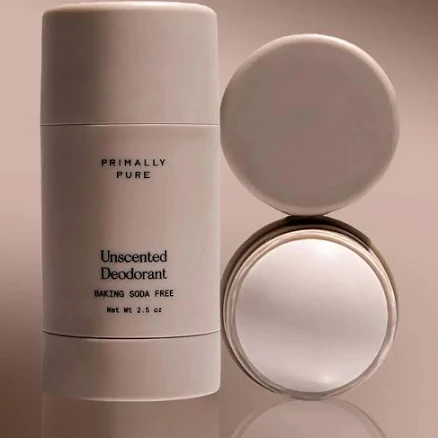
- mineral-based powder blend (arrowroot, magnesium hydroxide, mica)
- We found no PFAS statement from the brand
- Skin irritation from magnesium hydroxide alkalinity
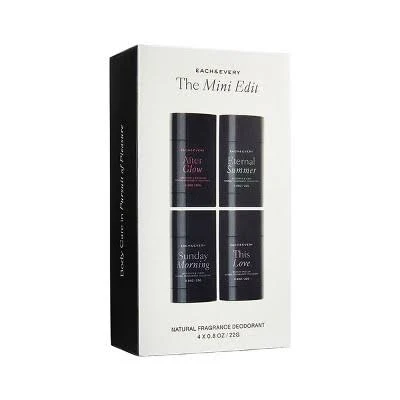
- cosmetic formulations, primary ingredients listed
- A third party reports verifying it as PFAS-free
- Fragrance allergens (natural essential oils)
2 hazards checked on this product, all on its full breakdown.
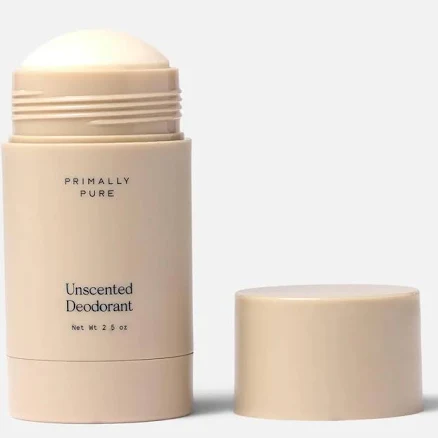
- natural mineral powders, plant-based actives, beeswax
- We found no PFAS statement from the brand
- Beeswax purity and contamination
2 hazards checked on this product, all on its full breakdown.
More deodorant grades
How we score, every product runs through the same public 0-100 rubric based on materials, coatings, brand disclosure, lab findings, and recalls. See the full methodology → Spotted a mistake? Report an error.