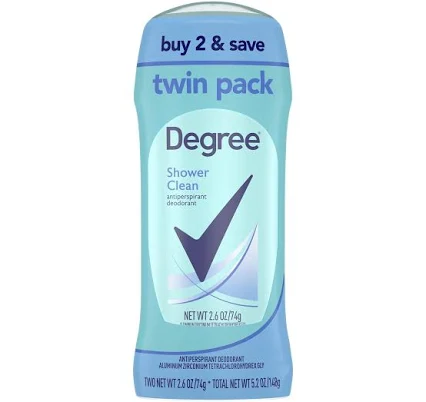
Degree Deodorant
Lower concern for typical deodorant with no known PFAS use.
Degree Deodorant is aluminum-based without public evidence of Teflon-family coating coatings or intentional PFAS additives that the category doesn't require. The brand doesn't claim PFAS-free status, reflecting standard industry silence rather than risk.
We flunk more products than we pass. This one earned its grade. How we grade
Material
Aluminum-based stick or gel with talc, starch, or mineral-based active ingredients
Brand disclosure
Brand is silent on PFAS
Lab data
No public lab test
You may also be interested in
Top-graded picks in the categories readers replace first, every one scored on the same rubric.

- polypropylene filter housing, carbon/sediment cartridge
- We found no PFAS statement from the brand
- Bacterial growth in spent cartridges
3 hazards checked on this product, all on its full breakdown.

Aquasure
Premier Series 75 GPD Under Sink Reverse Osmosis Water Filtration System
- RO membrane, carbon filters, stainless steel housing
- We found no PFAS statement from the brand
- Bacterial and microbial growth in housing and filters
4 hazards checked on this product, all on its full breakdown.

Avocado
Vegan Mattress
- organic cotton, natural latex, coconut coir, recycled steel coils
- The brand calls it PFAS-free, which we have not verified
- Heavy metals
2 hazards checked on this product, all on its full breakdown.
What Degree Deodorant is made of, ingredients and materials
Degree deodorant is formulated as an aluminum-based stick or gel, using aluminum compounds (typically aluminum zirconium or aluminum chlorohydrate) as the active antiperspirant ingredient. The base includes waxes, oils, and either talc or mineral-derived starches as carriers and texture agents. This is a standard formulation across the deodorant category and carries no unusual material risks beyond those inherent to aluminum antiperspirants, which have decades of safety use data despite ongoing low-level consumer concern about aluminum absorption.
What’s concerning
Category baseline
The starting point for this type of product, before anything specific to this product is counted.
No PFAS disclosure
No public statement from the brand about PFAS in this product.
Aluminum absorption and systemic exposure
Aluminum-based antiperspirants are applied topically and absorption through intact skin is minimal but not zero. No established causal link to adverse health outcomes in routine use, but the mechanism remains incompletely characterized. Degree provides no data on aluminum concentration or bioavailability specific to its formulation.
Talc contamination and respiratory exposure
If Degree uses talc as a carrier (rather than mineral starch alternatives), inhalation of fine powder during application poses low but real risk. Talc mining historically has contamination with asbestos; modern cosmetic-grade talc is regulated and tested, but supply-chain assurance is not publicly detailed by Degree. Risk is minimal with careful application and ventilation.
Fragrance allergens and sensitization
Degree deodorants include fragrance compounds that trigger contact dermatitis or allergic reaction in sensitive individuals. The brand does not disclose fragrance ingredients individually (typically proprietary blends under 'fragrance' or 'parfum' on labels). Patch testing recommended for those with known fragrance sensitivities before regular use.
Skin irritation from occlusive barrier
Stick deodorants form an occlusive layer on skin that can trap sweat and bacteria, promoting local irritation or folliculitis with prolonged daily use, especially in hot climates or under tight clothing. This is a wear-related hazard rather than a chemical one, managed by proper application and skin cleansing.
What’s reassuring
Base material not linked to PFAS
The main material recorded for this product is not one associated with PFAS.
Heavy metals
Degree deodorants do not include dyes or pigments that concentrate heavy metals, nor is the brand known to use formaldehyde-releasing preservatives. No public reports of these contaminants in Degree products exist.
Source, FDA ↗How is this PFAS grade calculated?
The brand's record and disclosure
Degree (owned by Unilever) does not publish detailed ingredient breakdowns or transparency reports specific to this product line. The brand has not pursued third-party certifications such as Hypoallergenic or EWG Verified status. No significant product recalls or safety controversies are on public record for Degree deodorants. The brand's silence on PFAS and other emerging chemical concerns is typical of large mainstream deodorant makers, reflecting industry norm rather than a red flag.
How it compares in its category
Degree sits squarely in the mainstream aluminum antiperspirant segment, indistinguishable in hazard profile from competitors like Secret, Dove, or Old Spice. Natural or aluminum-free alternatives (e.g., Native, Schmidt's) exist but trade antiperspirant strength for lower chemical load; Degree does not compete in that space. Its formulation and safety record are consistent with the mass-market category baseline.
If you buy it
Apply to dry skin only; wet application increases irritation risk and reduces efficacy. Do not apply immediately after shaving or to broken skin. If irritation, rash, or allergic reaction occurs within days of use, discontinue and patch-test with a fragrance-free alternative. Replace stick when visibly degraded or if performance declines; unopened sticks stored in cool, dry conditions remain stable for 2+ years. Wash hands after application to avoid residue transfer to eyes or sensitive areas.
What is not known about PFAS in this product?
- Basis
- Model estimate, 72% confidence, not a lab result
- Lab test
- None on record for this exact product
- Brand statement
- Degree has made none
Formulations change between production runs, so check the current label. How we grade.
What are the PFAS-free alternatives to Degree Deodorant?
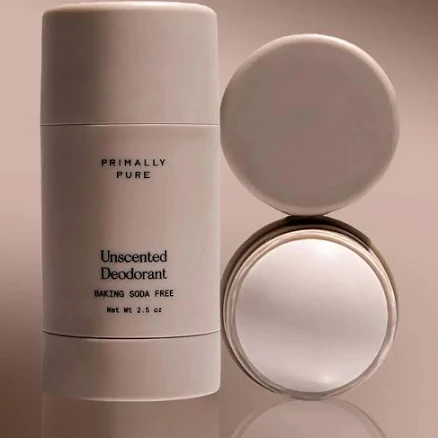
- mineral-based powder blend (arrowroot, magnesium hydroxide, mica)
- We found no PFAS statement from the brand
- Skin irritation from magnesium hydroxide alkalinity
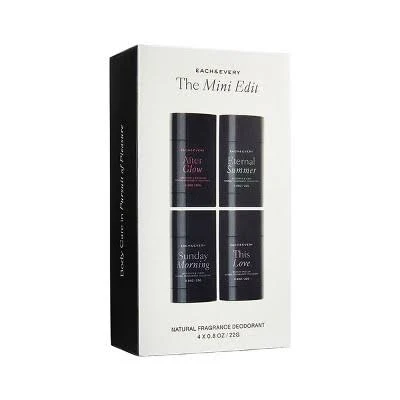
- cosmetic formulations, primary ingredients listed
- A third party reports verifying it as PFAS-free
- Fragrance allergens (natural essential oils)
2 hazards checked on this product, all on its full breakdown.
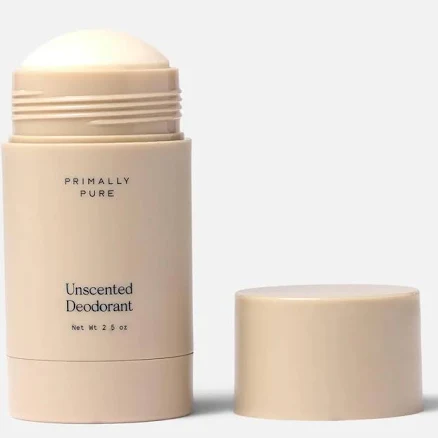
- natural mineral powders, plant-based actives, beeswax
- We found no PFAS statement from the brand
- Beeswax purity and contamination
2 hazards checked on this product, all on its full breakdown.
More deodorant grades
How we score, every product runs through the same public 0-100 rubric based on materials, coatings, brand disclosure, lab findings, and recalls. See the full methodology → Spotted a mistake? Report an error.