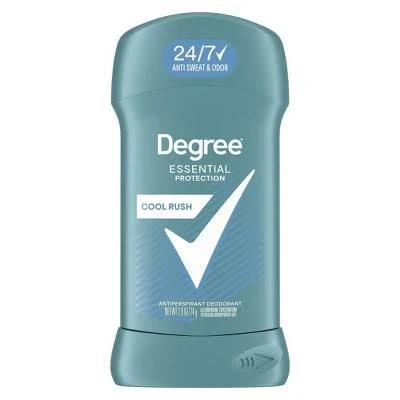
Degree Men
Lower PFAS concern for a basic deodorant formulation.
Degree Men uses water-based ingredients with no PFAS-typical components like water-repellent or nonstick coatings. The brand makes no PFAS claims, and standard deodorants rarely contain PFAS unless marketed with water resistance.
We flunk more products than we pass. This one earned its grade. How we grade
Material
water-based emulsion, starch, talc, fragrance
Brand disclosure
Brand is silent on PFAS
Lab data
No public lab test
You may also be interested in
Top-graded picks in the categories readers replace first, every one scored on the same rubric.

- polypropylene filter housing, carbon/sediment cartridge
- We found no PFAS statement from the brand
- Bacterial growth in spent cartridges
3 hazards checked on this product, all on its full breakdown.

Aquasure
Premier Series 75 GPD Under Sink Reverse Osmosis Water Filtration System
- RO membrane, carbon filters, stainless steel housing
- We found no PFAS statement from the brand
- Bacterial and microbial growth in housing and filters
4 hazards checked on this product, all on its full breakdown.

Avocado
Vegan Mattress
- organic cotton, natural latex, coconut coir, recycled steel coils
- The brand calls it PFAS-free, which we have not verified
- Heavy metals
2 hazards checked on this product, all on its full breakdown.
What Degree Men is made of, ingredients and materials
Degree Men is a water-based emulsion deodorant combining starch, talc, and fragrance as its primary active and filler ingredients. Talc serves as an absorbent and anti-caking agent, while starch provides moisture control. This formulation is typical of mass-market stick deodorants and avoids aluminum-based antiperspirant chemistry, meaning it does not block sweat but rather masks odor and reduces moisture. The water-based emulsion format is inherently lower-risk than aerosol or powder formulations for inhalation exposure during application.
What’s concerning
Category baseline
The starting point for this type of product, before anything specific to this product is counted.
No PFAS disclosure
No public statement from the brand about PFAS in this product.
Talc contamination and inhalation risk
Talc ore can be contaminated with asbestos depending on mining source. Industry-wide oversight has improved but no independent verification of Degree's specific talc supplier is publicly available. Inhalation during application poses minimal acute risk with stick format, but chronic inhalation is a documented concern for talc-containing products; skin application carries lower risk than powder inh
Fragrance allergen sensitivity
Degree Men contains fragrance components that are not fully itemized on labels (regulatory loophole allows 'fragrance' as proprietary blend). Common fragrance sensitizers in deodorants include limonene, linalool, and citral. Some users report contact dermatitis or sensitization with repeated use; risk is individual and cannot be assessed without full fragrance formula disclosure.
Skin irritation from emulsion chemistry
Water-based emulsions require preservatives and stabilizers (not always fully disclosed) that can trigger irritation in sensitive skin. Starch can also promote localized bacterial growth if product is applied to damp or irritated skin, potentially worsening odor or causing rash.
What’s reassuring
Base material not linked to PFAS
The main material recorded for this product is not one associated with PFAS.
No antiperspirant efficacy; sweat feedback
This is a deodorant, not an antiperspirant, so it does not reduce sweat production. Users expecting sweat control may experience product failure and repeat application, increasing skin contact and potential irritation. This is a performance mismatch rather than a toxicity hazard but worth noting for informed choice.
How is this PFAS grade calculated?
The brand's record and disclosure
Degree (owned by Unilever) maintains standard ingredient disclosure on packaging and online but does not publish detailed transparency reports or third-party certifications (e.g., EWG Verified, Leaping Bunny). The brand has no widely documented safety recalls or formal controversies specific to this product line. Unilever has faced litigation over talc-containing products from other brands but Degree Men itself has not been named in major talc-related claims, suggesting either lower risk profile or lower visibility. The brand's PFAS stance is silent, but the water-based formula and absence of water-resistant/sweat-lock marketing reduces likelihood of intentional PFAS inclusion.
How it compares in its category
Degree Men is mainstream and price-competitive. It sits in the middle of the deodorant spectrum, less minimalist than talc-free or certified-organic options (e.g., Routine, Schmidts) but more conventional and cheaper than aluminum antiperspirants (e.g., Gillette Clear Gel). Water-based stick deodorants like this are generally lower-risk than powder or spray formats for both inhalation and systemic exposure. It offers no premium certifications, making it indistinguishable from dozens of store-brand equivalents in terms of safety profile.
If you buy it
Apply to clean, dry skin in the morning or evening; allow to dry fully before dressing to avoid staining. Talc-based deodorants should not be inhaled directly during application; apply by rubbing with fingers or a brush rather than shaking powder near the face. Replace once empty (typically 2-3 months of daily use). If skin irritation develops, discontinue use. Store in a cool, dry place to prevent clumping; talc absorbs moisture and can degrade if exposed to high humidity or heat.
What is not known about PFAS in this product?
- Basis
- Model estimate, 72% confidence, not a lab result
- Lab test
- None on record for this exact product
- Brand statement
- Degree has made none
Formulations change between production runs, so check the current label. How we grade.
What are the PFAS-free alternatives to Degree Men?
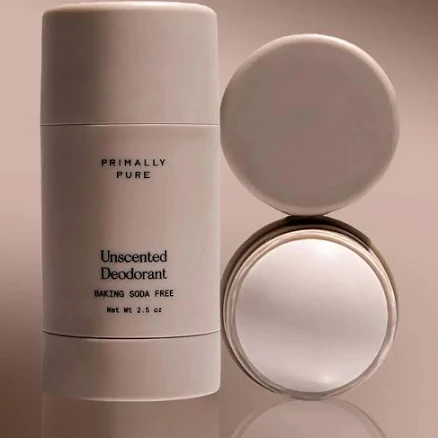
- mineral-based powder blend (arrowroot, magnesium hydroxide, mica)
- We found no PFAS statement from the brand
- Skin irritation from magnesium hydroxide alkalinity
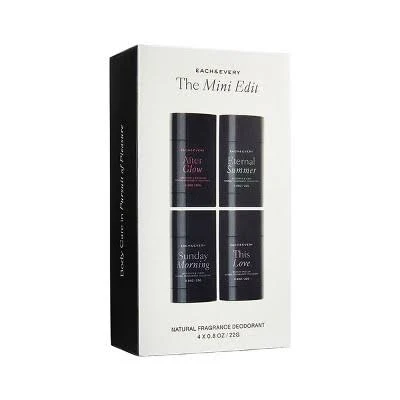
- cosmetic formulations, primary ingredients listed
- A third party reports verifying it as PFAS-free
- Fragrance allergens (natural essential oils)
2 hazards checked on this product, all on its full breakdown.
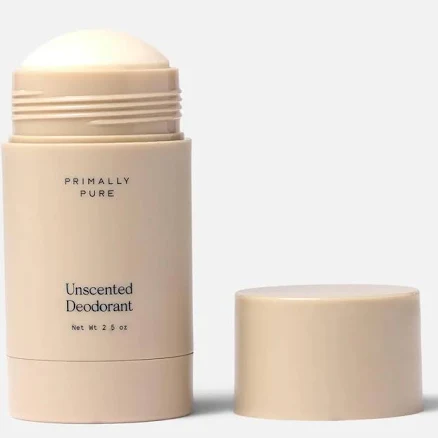
- natural mineral powders, plant-based actives, beeswax
- We found no PFAS statement from the brand
- Beeswax purity and contamination
2 hazards checked on this product, all on its full breakdown.
More deodorant grades
How we score, every product runs through the same public 0-100 rubric based on materials, coatings, brand disclosure, lab findings, and recalls. See the full methodology → Spotted a mistake? Report an error.