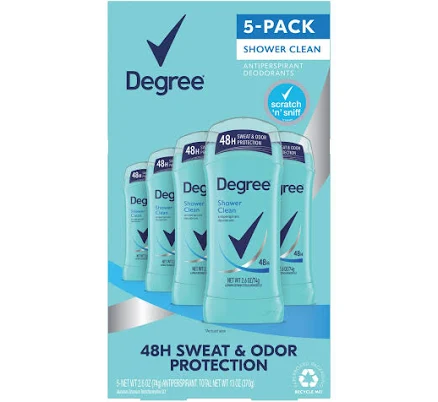
Degree Shower Clean Antiperspirant Deodorant Twin Pack
Lower concern for an antiperspirant that rarely needs PFAS coatings.
Degree Shower Clean requires no waterproofing, nonstick, or oil-resistance features that would trigger PFAS use. The brand makes no PFAS claims, and the category poses lower risk than treated apparel or coated cookware.
We flunk more products than we pass. This one earned its grade. How we grade
Material
Typical antiperspirant/deodorant base, alcohols, starches, fragrance, aluminum compounds
Brand disclosure
Brand is silent on PFAS
Lab data
No public lab test
You may also be interested in
Top-graded picks in the categories readers replace first, every one scored on the same rubric.

- polypropylene filter housing, carbon/sediment cartridge
- We found no PFAS statement from the brand
- Bacterial growth in spent cartridges
3 hazards checked on this product, all on its full breakdown.

Aquasure
Premier Series 75 GPD Under Sink Reverse Osmosis Water Filtration System
- RO membrane, carbon filters, stainless steel housing
- We found no PFAS statement from the brand
- Bacterial and microbial growth in housing and filters
4 hazards checked on this product, all on its full breakdown.

Avocado
Vegan Mattress
- organic cotton, natural latex, coconut coir, recycled steel coils
- The brand calls it PFAS-free, which we have not verified
- Heavy metals
2 hazards checked on this product, all on its full breakdown.
What Degree Shower Clean Twin Pack is made of, ingredients and materials
Degree antiperspirant deodorants are typically formulated with aluminum compounds (aluminum chlorohydrate or similar salts) as the active antiperspirant agent, combined with alcohol (usually ethanol or SD alcohol 40), starches for absorption, and proprietary fragrance blends. The alcohol acts as a solvent and preservative, while aluminum salts work by forming a plug in sweat ducts. This chemistry is well-established and represents the standard approach across major antiperspirant brands.
What’s concerning
Category baseline
The starting point for this type of product, before anything specific to this product is counted.
No PFAS disclosure
No public statement from the brand about PFAS in this product.
Fragrance allergens
Degree uses proprietary fragrance blends; undisclosed fragrance components may trigger contact dermatitis or sensitization in susceptible individuals, particularly with regular daily use over months.
What’s reassuring
Base material not linked to PFAS
The main material recorded for this product is not one associated with PFAS.
Aluminum systemic absorption
No established causal link between topical antiperspirant aluminum and neurotoxicity or breast cancer in peer-reviewed literature; regulatory agencies (FDA, EFSA) classify antiperspirant-strength aluminum as lower concern at typical use levels, though individual sensitivity varies.
Formaldehyde / VOCs
Degree does not publicly list formaldehyde-releasing preservatives (such as imidazolidinyl urea) in readily available ingredient disclosures; no recalls or warnings specific to this product suggest their presence is unlikely.
Source, ATSDR ↗Microplastics
No published data confirms the presence of microplastics in Degree antiperspirants; starch-based and gel formulations in this category typically do not require added microbeads for function.
Source, EPA ↗How is this PFAS grade calculated?
The brand's record and disclosure
Degree (owned by Unilever) does not publicly disclose detailed ingredient sourcing or PFAS testing data for this product line, which is typical of major personal care brands that rely on regulatory compliance rather than proactive transparency. No significant safety recalls or health controversies specific to Degree antiperspirants appear in public safety databases. The brand markets toward mainstream consumers and follows standard cosmetic safety regulations without seeking premium certifications like EWG Verified or Dermatologist Beyond.
How it compares in its category
Degree's formulation is materially identical to most mass-market antiperspirants from competitors like Dove, Secret, or Old Spice in terms of core active ingredients and hazard profile. Brands marketing 'natural' or 'aluminum-free' deodorants (using baking soda or zinc compounds instead) occupy a distinct lower-aluminum niche; Degree does not compete there. Premium brands with certified transparency (like Schmidt's or Corpus Christi) offer higher disclosure but at higher cost and with different active agents.
If you buy it
Apply to clean, dry skin in the underarm area; avoid application to broken or freshly shaved skin as this can increase irritation risk. Store in a cool place away from direct heat (aluminum chlorohydrate can degrade under extreme temperatures, though unlikely in normal home use). Replace when visibly degraded or if irritation develops. If skin sensitization occurs, discontinue and consider switching to fragrance-free or lower-aluminum alternatives; sensitive individuals should do a patch test first.
What is not known about PFAS in this product?
- Basis
- Model estimate, 72% confidence, not a lab result
- Lab test
- None on record for this exact product
- Brand statement
- Degree has made none
Formulations change between production runs, so check the current label. How we grade.
What are the PFAS-free alternatives to Degree Shower Clean Antiperspirant Deodorant Twin Pack?
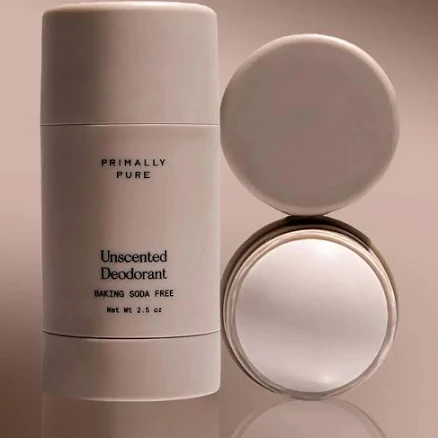
- mineral-based powder blend (arrowroot, magnesium hydroxide, mica)
- We found no PFAS statement from the brand
- Skin irritation from magnesium hydroxide alkalinity
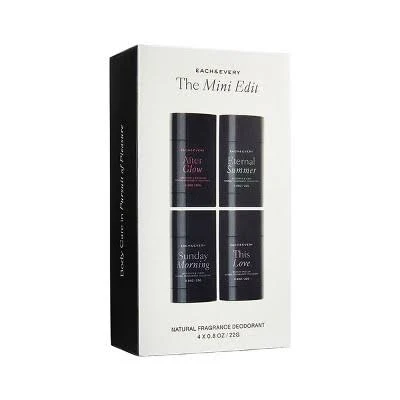
- cosmetic formulations, primary ingredients listed
- A third party reports verifying it as PFAS-free
- Fragrance allergens (natural essential oils)
2 hazards checked on this product, all on its full breakdown.
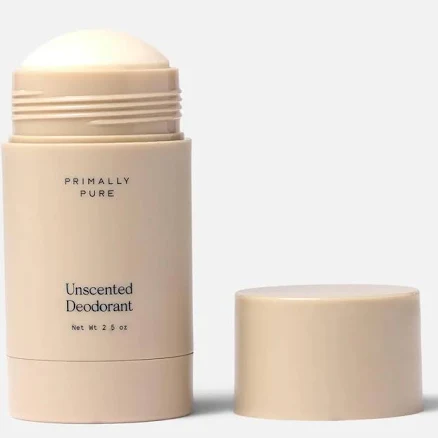
- natural mineral powders, plant-based actives, beeswax
- We found no PFAS statement from the brand
- Beeswax purity and contamination
2 hazards checked on this product, all on its full breakdown.
More deodorant grades
How we score, every product runs through the same public 0-100 rubric based on materials, coatings, brand disclosure, lab findings, and recalls. See the full methodology → Spotted a mistake? Report an error.