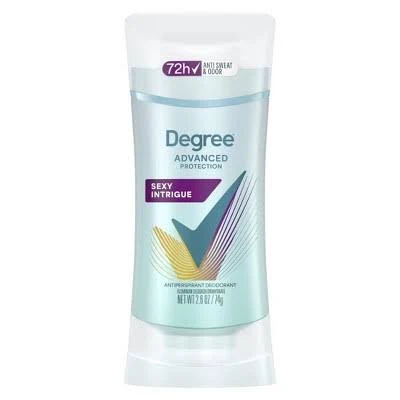
Degree Women's Sexy Intrigue Antiperspirant Deodorant
Lower concern with no PFAS-risk indicators, but Unilever makes no commitment.
This aluminum stick uses typical cosmetic bases with no water-resistant, nonstick, or stain-resistant treatments that would require PFAS. Unilever hasn't publicly confirmed PFAS absence, and no testing data exists.
We flunk more products than we pass. This one earned its grade. How we grade
Material
Aluminum stick/emulsion base; talc, starch, wax
Brand disclosure
Brand is silent on PFAS
Lab data
No public lab test
You may also be interested in
Top-graded picks in the categories readers replace first, every one scored on the same rubric.

- polypropylene filter housing, carbon/sediment cartridge
- We found no PFAS statement from the brand
- Bacterial growth in spent cartridges
3 hazards checked on this product, all on its full breakdown.

Aquasure
Premier Series 75 GPD Under Sink Reverse Osmosis Water Filtration System
- RO membrane, carbon filters, stainless steel housing
- We found no PFAS statement from the brand
- Bacterial and microbial growth in housing and filters
4 hazards checked on this product, all on its full breakdown.

Avocado
Vegan Mattress
- organic cotton, natural latex, coconut coir, recycled steel coils
- The brand calls it PFAS-free, which we have not verified
- Heavy metals
2 hazards checked on this product, all on its full breakdown.
What Degree Women's Sexy Intrigue Deodorant is made of, ingredients and materials
Degree Women's Sexy Intrigue is a stick antiperspirant based on aluminum compounds (likely aluminum zirconium chlorohydrate or similar), mixed into an emulsion with talc, starch, and wax binders. Aluminum salts are the active ingredient blocking sweat ducts; talc is a mineral filler for texture and slip. The 'emulsion' base means water, oils, and thickeners are blended to create the spreadable formula. This is chemically typical for mass-market antiperspirants and carries the standard material profile of the category.
What’s concerning
Category baseline
The starting point for this type of product, before anything specific to this product is counted.
No PFAS disclosure
No public statement from the brand about PFAS in this product.
Aluminum exposure (systemic absorption)
Aluminum chlorohydrate penetrates skin in small amounts; long-term systemic accumulation is studied but not conclusively linked to health harm in antiperspirant use. Risk is not elevated relative to other stick antiperspirants.
Fragrance allergens
The 'Sexy Intrigue' scent is a proprietary blend; full fragrance ingredient disclosure is not required by law on labels. Synthetic musks and essential oils in deodorant fragrances can trigger contact dermatitis in sensitive individuals, though incidence is low at typical use rates.
Skin irritation from alcohol or acid neutralizers
Antiperspirant emulsions often contain weak acids or alcohol to stabilize aluminum salts and control odor bacteria. Direct skin sensitivity is uncommon but more likely in persons with eczema or damaged skin barrier.
What’s reassuring
Base material not linked to PFAS
The main material recorded for this product is not one associated with PFAS.
Talc contamination (asbestos risk)
No recalls or contamination reports on Degree antiperspirants. Talc mining can historically include asbestos trace; however, cosmetic-grade talc used in deodorants is routinely tested and regulated by FDA. Degree does not disclose talc source verification.
Microplastic shedding from stick matrix
Wax and starch binders in stick antiperspirants do not break into microplastics under normal use; the stick is not plastic-based and washes away with water. No evidence of microplastic risk from this product type.
How is this PFAS grade calculated?
The brand's record and disclosure
Unilever (Degree's parent) does not publish detailed ingredient sourcing or third-party safety certifications for this line. No major recalls or regulatory actions specific to Degree antiperspirants are on record. The brand does not make public commitments on PFAS avoidance or talc sourcing verification, which leaves uncertainty about supply-chain screening but is not unusual for mainstream deodorant makers. Industry-wide, antiperspirant safety is relatively settled; Unilever products meet FDA labeling requirements.
How it compares in its category
Degree occupies the mid-market antiperspirant space alongside Dove, Secret, and Mitchum. All use similar aluminum salt + talc + wax formulas. Products marketed as talc-free (e.g., some natural brands) substitute with arrowroot or cornstarch; products claiming aluminum-free use zinc ricinoleate (less effective) or rely on botanical extracts (minimal efficacy data). Degree's formula is neither premium nor budget-conscious, and its safety profile is consistent with competitors at the same price point.
If you buy it
Apply to clean, dry skin; avoid broken skin or immediately post-shaving to minimize irritation. Do not expose the stick to heat above 40°C (104°F) as the emulsion may separate or degrade. Replace when the stick becomes noticeably crumbly or depleted; there is no specific expiry, but antiperspirant potency can drift after 2-3 years of storage. If you develop persistent rash or itching, discontinue and patch-test alternatives; some users react to fragrance or aluminum, though this is not specific to this product.
What is not known about PFAS in this product?
- Basis
- Model estimate, 72% confidence, not a lab result
- Lab test
- None on record for this exact product
- Brand statement
- Degree has made none
Formulations change between production runs, so check the current label. How we grade.
What are the PFAS-free alternatives to Degree Women's Sexy Intrigue Antiperspirant Deodorant?
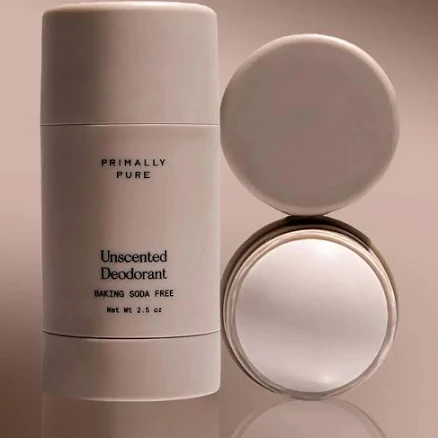
- mineral-based powder blend (arrowroot, magnesium hydroxide, mica)
- We found no PFAS statement from the brand
- Skin irritation from magnesium hydroxide alkalinity
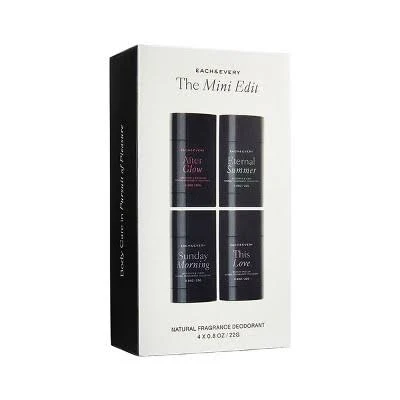
- cosmetic formulations, primary ingredients listed
- A third party reports verifying it as PFAS-free
- Fragrance allergens (natural essential oils)
2 hazards checked on this product, all on its full breakdown.
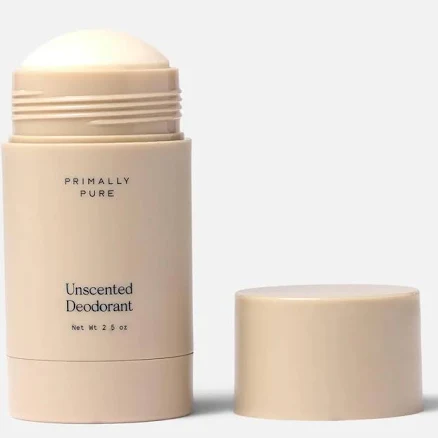
- natural mineral powders, plant-based actives, beeswax
- We found no PFAS statement from the brand
- Beeswax purity and contamination
2 hazards checked on this product, all on its full breakdown.
More deodorant grades
How we score, every product runs through the same public 0-100 rubric based on materials, coatings, brand disclosure, lab findings, and recalls. See the full methodology → Spotted a mistake? Report an error.