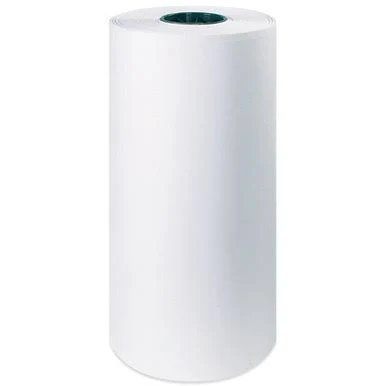
· Grease-Resistant Butcher & Deli Paper
Box Butcher Paper 40#
Moderate concern. PFAS-based water repellents common in butcher paper.
Box butcher paper likely has water-resistant coating for grease protection. Food paper coatings frequently use PFAS but receive no brand disclosure.
The better-graded swap
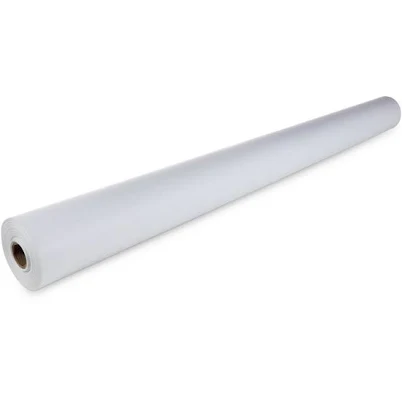
IDL Packaging
Idl Packaging White Butcher Paper 18" x 12000" Natural Butcher Paper Roll for Meat and Fish
95/100 safety
Same rubric that flunked this product. The swap earned Excellent.
Still want this one anyway? Check the price on Amazon. We’d swap it.
Material
Kraft paper with water-resistant coating
Brand disclosure
Brand is silent on PFAS
Lab data
No public lab test
You may also be interested in
Top-graded picks in the categories readers replace first, every one scored on the same rubric.

- polypropylene filter housing, carbon/sediment cartridge
- We found no PFAS statement from the brand
- Bacterial growth in spent cartridges
3 hazards checked on this product, all on its full breakdown.

Aquasure
Premier Series 75 GPD Under Sink Reverse Osmosis Water Filtration System
- RO membrane, carbon filters, stainless steel housing
- We found no PFAS statement from the brand
- Bacterial and microbial growth in housing and filters
4 hazards checked on this product, all on its full breakdown.

Avocado
Vegan Mattress
- organic cotton, natural latex, coconut coir, recycled steel coils
- The brand calls it PFAS-free, which we have not verified
- Heavy metals
2 hazards checked on this product, all on its full breakdown.
What Box Butcher Paper 40# is made of, ingredients and materials
Box Butcher Paper 40# is kraft paper (40 pounds per ream indicates thickness/density) with a water-resistant coating applied to the surface. The coating's composition is not publicly disclosed by the brand, which is the primary safety question here. Kraft paper itself is cellulose-based and approved for food contact, but the water repellent layer often contains fluorochemical compounds (PFAS) in butcher paper, where chemical concerns concentrate. The 40# grade is standard commercial butcher stock, suitable for wrapping fresh meat and deli items.
What’s concerning
Category baseline
The starting point for this type of product, before anything specific to this product is counted.
No PFAS disclosure
No public statement from the brand about PFAS in this product.
Waterproof / stain-resistant treatment
Water-repellent coating treatments have historically used PFAS.
Water-resistant coating composition (likely fluorochemical)
Butcher paper's water repellency is conventionally achieved with PFAS-based chemicals; The brand does not disclose coating type, so PFAS presence cannot be ruled out. Migration risk is low at room temperature and cold storage but increases if paper is heated.
Ink or print chemicals (if printed rolls used)
Some butcher paper rolls carry branding or labeling; these inks may contain heavy metals or solvents. Packaging details do not clarify whether rolls are printed or blank. Contact the paper side (not the print side) with food to minimize exposure.
What’s reassuring
Microplastic or coating particle shedding
No specific shedding or particle contamination reported for the brand or standard butcher paper. The coating is typically well-bonded to kraft substrate when applied commercially, though physical wear over time is possible with heavy handling.
Formaldehyde / VOCs
No recalls or public reports of formaldehyde in butcher paper. Kraft paper manufacturing does not typically use formaldehyde resins, though additives vary by supplier. This hazard is not established for this product class.
Source, ATSDR ↗Allergens or off-gassing from coatings
No known allergen concerns specific to butcher paper. Off-gassing risk is minimal at room temperature; volatile organic compound (VOC) release is not a typical hazard for cold-stored wrapped food.
How is this PFAS grade calculated?
The brand's record and disclosure
The brand is a commercial foodservice supplier with minimal public transparency on material sourcing or chemical content. No certifications (e.g., FDA compliance statements, PFOA-free declarations, or compostability labels) are advertised on readily available product information. The brand has not issued public statements on PFAS use or phase-out timelines. This silence is typical of commodity meat-wrapper suppliers but leaves end-users without direct assurance about coating chemistry.
How it compares in its category
Butcher paper is a commodity item; most brands (including the brand, Sysco, and Butcher Boy) use similar kraft stock with water-resistant coatings of undisclosed formulation. PFAS-free and compostable alternatives exist (e.g., parchment paper, silicone-coated kraft, or wax-coated options), but they cost more and are less common in commercial settings. Standard butcher paper is not inherently unsafe for short-term cold food contact, but regulatory focus on PFAS in food packaging is rising, making this a transition-period product category.
If you buy it
Use butcher paper for wrapping raw and cooked meats, deli items, and cheese at refrigerator or room temperature; do not apply direct heat (oven, grill, or boiling water contact) as hot conditions can degrade coating and accelerate any chemical migration. Replace rolls if the surface shows visible tears, discoloration, or water breakthrough. For long-term cold storage (weeks), use in combination with sealed containers to limit air exposure. If PFAS exposure is a priority concern for your kitchen, consider switching to certified PFAS-free or parchment-based alternatives as they become more available.
What is not known about PFAS in this product?
- Basis
- Model estimate, 62% confidence, not a lab result
- Lab test
- None on record for this exact product
- Brand statement
- has made none
Formulations change between production runs, so check the current label. How we grade.
What are the PFAS-free alternatives to Box Butcher Paper 40#?
IDL Packaging
White Butcher Paper 18" x 12000" Natural Butcher Paper Roll for Meat and Fish
- unbleached natural kraft paper
- The brand calls it PFAS-free, which we have not verified
- Mold or microbial growth
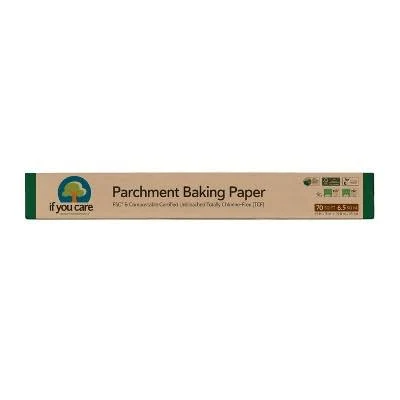
- unbleached parchment paper, silicone coating
- The brand calls it PFAS-free, which we have not verified
- Silicone coating degradation under heat stress
2 hazards checked on this product, all on its full breakdown.
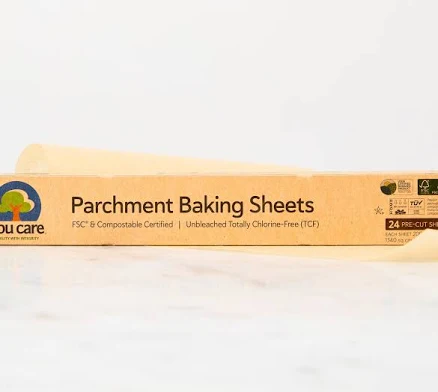
- Silicone-coated parchment paper
- The brand calls it PFAS-free, which we have not verified
- Silicone coating degradation at high heat
More grease-resistant butcher & deli paper grades
How we score, every product runs through the same public 0-100 rubric based on materials, coatings, brand disclosure, lab findings, and recalls. See the full methodology → Spotted a mistake? Report an error.