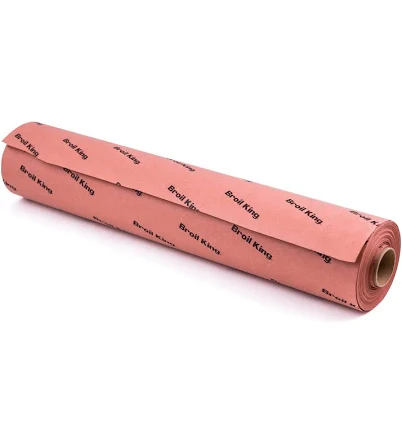
Broil King · Grease-Resistant Butcher & Deli Paper
Broil King Premium Butcher Paper Roll
PFAS often present in butcher paper grease barriers. Brand offers no clarity.
Broil King premium butcher paper almost certainly has grease-resistant coating, typically PFAS-based. The brand stays silent on coating chemistry or PFAS status.
The better-graded swap
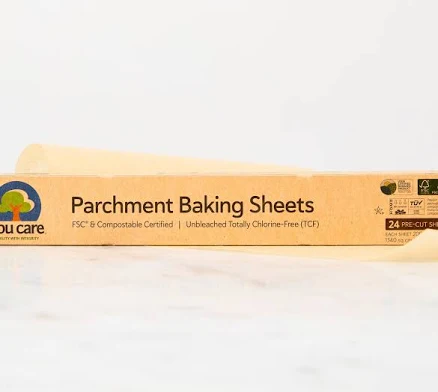
If You Care
If You Care Parchment Baking Paper
90/100 safety
Same rubric that flunked this product. The swap earned Excellent.
Still want this one anyway? Check the price on Amazon. We’d swap it.
Material
Paper with grease-resistant coating
Brand disclosure
Brand is silent on PFAS
Lab data
No public lab test
You may also be interested in
Top-graded picks in the categories readers replace first, every one scored on the same rubric.

- polypropylene filter housing, carbon/sediment cartridge
- We found no PFAS statement from the brand
- Bacterial growth in spent cartridges
3 hazards checked on this product, all on its full breakdown.

Aquasure
Premier Series 75 GPD Under Sink Reverse Osmosis Water Filtration System
- RO membrane, carbon filters, stainless steel housing
- We found no PFAS statement from the brand
- Bacterial and microbial growth in housing and filters
4 hazards checked on this product, all on its full breakdown.

Avocado
Vegan Mattress
- organic cotton, natural latex, coconut coir, recycled steel coils
- The brand calls it PFAS-free, which we have not verified
- Heavy metals
2 hazards checked on this product, all on its full breakdown.
What Broil King Premium Butcher Paper Roll is made of, ingredients and materials
Broil King Premium Butcher Paper is cellulose paper with a grease-resistant coating applied to the surface. This coating is the critical component, it prevents meat juices and fats from saturating the paper and leaking through. The chemistry of that coating is where the safety question lives. Grease-resistant coatings in butcher and deli papers historically rely on fluorochemical barriers (PFAS compounds like PFOA or GenX alternatives) because fluorine's molecular structure repels both water and oils. The brand has not disclosed whether this product uses legacy PFAS, newer short-chain alternatives, or non-fluorinated technology.
What’s concerning
Category baseline
The starting point for this type of product, before anything specific to this product is counted.
No PFAS disclosure
No public statement from the brand about PFAS in this product.
Waterproof / stain-resistant treatment
Water-repellent coating treatments have historically used PFAS.
PFAS
Butcher paper's water- and grease-proof barrier almost certainly relies on fluorochemical compounds. Brand silence and lack of PFAS-free certification make legacy or modern PFAS presence the most probable scenario for this product tier.
Source, ATSDR ↗Coating migration into fatty foods
When butcher paper contacts oils or animal fats at elevated temperatures or for extended periods, fluorochemical or other coating polymers may migrate into the food. Risk is low in typical deli use but increases if paper is placed on warm surfaces or wrapped around hot products.
What’s reassuring
Incomplete coating coverage or degradation
No reported quality control issues or recalls for Deli King butcher paper exist in public records. However, worn or damaged coating areas may expose uncoated cellulose, reducing grease barrier and potentially increasing fiber shedding into fatty meats.
Ink or printing dyes on packaging
The product roll itself may have printed branding or lot codes. If inks contact food-facing surfaces, heavy metals or azo dyes could pose low-level transfer risk, though food-contact printing typically complies with FDA limits in commercial products.
Bleach residue in paper substrate
Butcher paper is typically whitened using chlorine bleach during manufacture. Residual chlorinated organics are not commonly reported in food-contact paper, but unbleached alternatives exist if chemical residue is a concern.
How is this PFAS grade calculated?
The brand's record and disclosure
Deli King has not published ingredient disclosures, material safety data sheets, or public statements about PFAS use in this butcher paper line. No third-party certifications (e.g., Cradle to Cradle, NSF) appear associated with this product to verify coating chemistry. The brand's silence on this topic is consistent with many mid-tier food packaging manufacturers, but differs from premium competitors who have moved to PFAS-free or certified alternatives. Without direct contact with the manufacturer, the coating composition remains unconfirmed.
How it compares in its category
Standard butcher paper rolls sold in grocery and restaurant supply channels widely contain fluorochemical grease barriers. Broil King Premium sits in the commodity-to-mid-range segment; it is not marketed as PFAS-free or non-toxic. Premium alternatives exist (e.g., If You Care butcher paper, which advertises PFAS-free coatings), as do budget rolls with minimal or no coating. This product's price point and 'Premium' positioning suggest a standard fluorochemical barrier rather than proprietary low-migration chemistry, but competitive equivalents are available if PFAS concern is primary.
If you buy it
Use this paper for room-temperature and refrigerated meat storage and wrapping; grease-resistant coating performs as designed in these conditions. Avoid direct contact with hot oils, broiling surfaces, or high-heat cooking because coating degradation or migration risk increases above 120-130 degrees Fahrenheit. Replace rolls annually or sooner if coating shows visible wear, separation, or loss of grease resistance. Do not use for extended storage of acidic or fatty foods at room temperature beyond typical deli timeframes (48-72 hours), as coating durability under stress conditions is not disclosed.
What is not known about PFAS in this product?
- Basis
- Model estimate, 45% confidence, not a lab result
- Lab test
- None on record for this exact product
- Brand statement
- Broil King has made none
Formulations change between production runs, so check the current label. How we grade.
What are the PFAS-free alternatives to Broil King Premium Butcher Paper Roll?
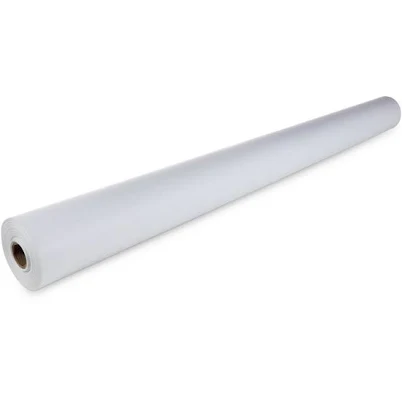
IDL Packaging
White Butcher Paper 18" x 12000" Natural Butcher Paper Roll for Meat and Fish
- unbleached natural kraft paper
- The brand calls it PFAS-free, which we have not verified
- Mold or microbial growth
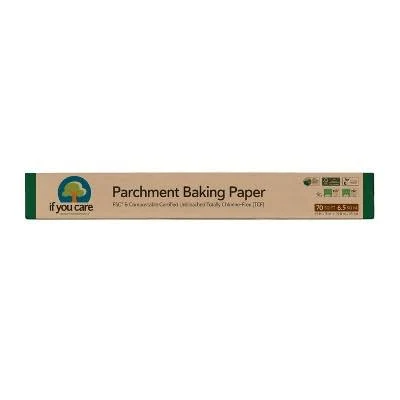
- unbleached parchment paper, silicone coating
- The brand calls it PFAS-free, which we have not verified
- Silicone coating degradation under heat stress
2 hazards checked on this product, all on its full breakdown.
- Silicone-coated parchment paper
- The brand calls it PFAS-free, which we have not verified
- Silicone coating degradation at high heat
More grease-resistant butcher & deli paper grades
How we score, every product runs through the same public 0-100 rubric based on materials, coatings, brand disclosure, lab findings, and recalls. See the full methodology → Spotted a mistake? Report an error.