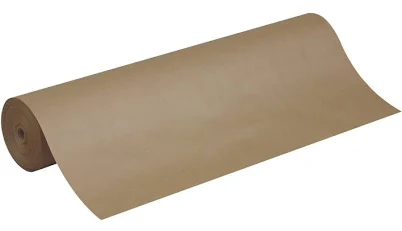
· Grease-Resistant Butcher & Deli Paper
Butcher Paper King Kraft Paper 36" x 500 ft
Lower concern. Unbleached kraft paper is not a material linked to PFAS.
Butcher Paper King kraft is unbleached cellulose with no coating on record. The brand has no PFAS statement on record.
We flunk more products than we pass. This one earned its grade. How we grade
Material
Kraft paper, unbleached cellulose
Brand disclosure
Brand is silent on PFAS
Lab data
No public lab test
You may also be interested in
Top-graded picks in the categories readers replace first, every one scored on the same rubric.

- polypropylene filter housing, carbon/sediment cartridge
- We found no PFAS statement from the brand
- Bacterial growth in spent cartridges
3 hazards checked on this product, all on its full breakdown.

Aquasure
Premier Series 75 GPD Under Sink Reverse Osmosis Water Filtration System
- RO membrane, carbon filters, stainless steel housing
- We found no PFAS statement from the brand
- Bacterial and microbial growth in housing and filters
4 hazards checked on this product, all on its full breakdown.

Avocado
Vegan Mattress
- organic cotton, natural latex, coconut coir, recycled steel coils
- The brand calls it PFAS-free, which we have not verified
- Heavy metals
2 hazards checked on this product, all on its full breakdown.
What Butcher Paper King Kraft Paper is made of, ingredients and materials
This product is unbleached kraft paper, made from cellulose fibers processed through the kraft pulping method without chemical whitening agents. Unbleached kraft is inherently free of chlorine residues and bleach byproducts that can migrate into food. The material is porous, breathable, and designed specifically for wrapping deli meats and dry goods without sealing or coating.
What’s concerning
Category baseline
The starting point for this type of product, before anything specific to this product is counted.
No PFAS disclosure
No public statement from the brand about PFAS in this product.
Mold or microbial growth if stored improperly
Kraft paper is hygroscopic and can absorb moisture, creating conditions for mold if stored in humid or damp environments. This is a user-side storage issue, not a manufacturing defect.
Migration of degradation byproducts during prolonged contact
Kraft paper naturally oxidizes over years or in acidic/humid conditions. Risk is low for typical deli use (days to weeks of contact), but long-term storage of fatty or acidic foods may accelerate minor fiber breakdown without safety impact at food-contact levels.
What’s reassuring
Base material not linked to PFAS
The main material recorded for this product is not one associated with PFAS.
Ink or printing residues (if printed)
Standard Butcher Paper King rolls are typically unprinted kraft without logos on the wrap itself. If printed variants exist, check the product SKU; commercial food-grade inks are regulated but not disclosed by most suppliers.
Chlorine residues or bleach byproducts
Unbleached kraft explicitly avoids chlorine-based whitening, eliminating this hazard class. Bleached alternatives carry higher residue risk.
Heavy metals
No documented contamination in kraft paper from this supplier or class. Cellulose is inherently low-metal; traditional sizing (starch or clay) does not concentrate heavy metals under normal processing.
Source, FDA ↗How is this PFAS grade calculated?
The brand's record and disclosure
The brand is a commodity kraft paper supplier with minimal public transparency on sourcing or certifications. No recalls, safety incidents, or regulatory actions are on record for this brand. The company does not publish material safety data sheets or third-party certifications (FDA, FSC, or BPA-free claims) on standard product listings, reflecting typical market practice for bulk packaging suppliers.
How it compares in its category
Unbleached kraft paper is the baseline standard for butcher paper and wholesale food wrapping. It has lower concern than bleached varieties (which may retain chlorine compounds) and lower concern than plastic-coated or wax-lined alternatives that introduce synthetic polymers or additives. Price and performance are typical for this commodity tier.
If you buy it
Store the roll in a cool, dry place away from moisture and direct sunlight to prevent mold or yellowing. Use for cold and ambient wrapping; unbleached kraft can briefly contact foods up to approximately 120 F (49 C) without risk, though it is not rated for hot-fill or freezer-grade applications without support material. Replace if the paper shows visible yellowing, brittleness, or mold, which indicate degradation.
What is not known about PFAS in this product?
- Basis
- Model estimate, 78% confidence, not a lab result
- Lab test
- None on record for this exact product
- Brand statement
- has made none
Formulations change between production runs, so check the current label. How we grade.
What are the PFAS-free alternatives to Butcher Paper King Kraft Paper 36" x 500 ft?
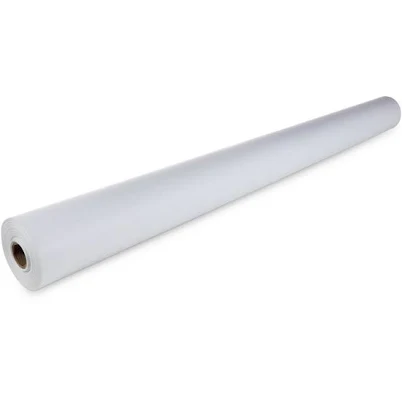
IDL Packaging
White Butcher Paper 18" x 12000" Natural Butcher Paper Roll for Meat and Fish
- unbleached natural kraft paper
- The brand calls it PFAS-free, which we have not verified
- Mold or microbial growth
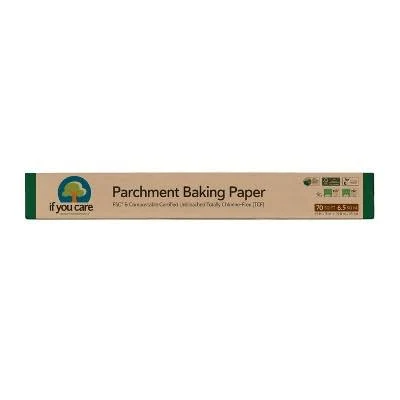
- unbleached parchment paper, silicone coating
- The brand calls it PFAS-free, which we have not verified
- Silicone coating degradation under heat stress
2 hazards checked on this product, all on its full breakdown.
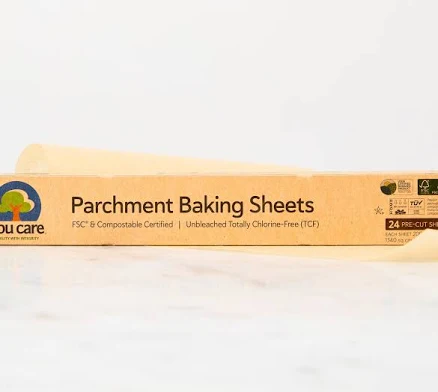
- Silicone-coated parchment paper
- The brand calls it PFAS-free, which we have not verified
- Silicone coating degradation at high heat
More grease-resistant butcher & deli paper grades
How we score, every product runs through the same public 0-100 rubric based on materials, coatings, brand disclosure, lab findings, and recalls. See the full methodology → Spotted a mistake? Report an error.