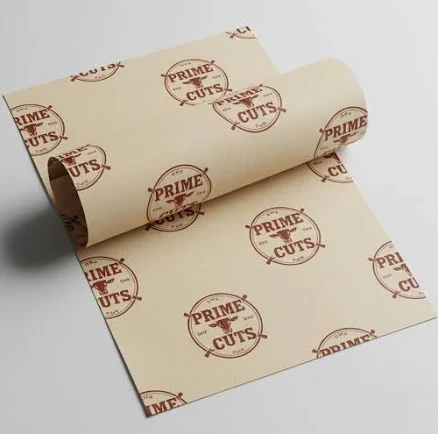
· Deli Meat & Cold Cuts Packaging
Deli Paper for Wrapping Meats
Skip until brand discloses coating chemistry or provides PFAS testing.
Deli paper typically relies on grease-resistant coatings that may contain PFAS, but the brand provides no public disclosure. Ask for certification or switch to brands offering PFAS-free verification.
The better-graded swap
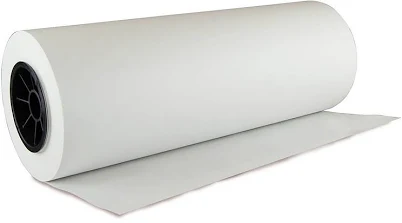
LEM
LEM 15" Freezer Paper Cutter
80/100 safety
Same rubric that flunked this product. The swap earned Excellent.
Still want this one anyway? Check the price on Amazon. We’d swap it.
Material
bleached paper with unspecified grease-resistant coating
Brand disclosure
Brand is silent on PFAS
Lab data
No public lab test
You may also be interested in
Top-graded picks in the categories readers replace first, every one scored on the same rubric.

- polypropylene filter housing, carbon/sediment cartridge
- We found no PFAS statement from the brand
- Bacterial growth in spent cartridges
3 hazards checked on this product, all on its full breakdown.

Aquasure
Premier Series 75 GPD Under Sink Reverse Osmosis Water Filtration System
- RO membrane, carbon filters, stainless steel housing
- We found no PFAS statement from the brand
- Bacterial and microbial growth in housing and filters
4 hazards checked on this product, all on its full breakdown.

Avocado
Vegan Mattress
- organic cotton, natural latex, coconut coir, recycled steel coils
- The brand calls it PFAS-free, which we have not verified
- Heavy metals
2 hazards checked on this product, all on its full breakdown.
What Deli Paper for Wrapping Meats is made of, ingredients and materials
Wrapping paper is bleached paper (likely wood pulp) with an unspecified grease-resistant coating applied to one or both sides. The coating is the critical unknown, most commercial deli papers use fluorinated compounds (PFAS) or, less commonly, silicone or wax-based alternatives. Since the brand does not disclose coating chemistry publicly, you cannot verify whether the product contains PFAS, which accumulates in the body and environment. The bleaching process itself is standard and low-risk when done with chlorine dioxide or hydrogen peroxide (both widely used in food-grade papers).
What’s concerning
Category baseline
The starting point for this type of product, before anything specific to this product is counted.
No PFAS disclosure
No public statement from the brand about PFAS in this product.
Waterproof / stain-resistant treatment
Water-repellent coating treatments have historically used PFAS.
PFAS
The brand does not disclose whether its grease-resistant layer is fluorinated (PFAS-based), silicone, or wax. In food-contact paper, fluorinated coatings are common but not labeled, creating a blind spot for consumers seeking to avoid PFAS accumulation.
Source, ATSDR ↗Coating migration into fatty foods at elevated temperatures
Any greaseproof coating (especially if PFAS-based) can migrate slightly into fatty meats and cheeses when paper is exposed to heat above 120F or with prolonged contact. Risk is low at room temperature but increases with time and temperature.
What’s reassuring
Bleached paper chlorine residues
No established safety concern with bleached food-grade paper made with modern chlorine dioxide or hydrogen peroxide bleaching. Dioxin contamination (historical concern) is extremely unlikely in current commercial food papers.
Microplastic or fiber shedding into food
Deli paper is designed to stay intact and does not shed fibers into food under normal wrapping use. No published incidents of paper fragmenting or contaminating meat products.
Ink or print migration from external packaging
The product itself is plain paper with no printed labeling in direct food contact. Risk only arises if any printed manufacturer label bleeds onto the paper surface during storage, which is avoided by proper packaging.
How is this PFAS grade calculated?
The brand's record and disclosure
The brand is a smaller regional or private-label brand with no established public track record of material transparency or third-party certifications (such as FDA compliance statements or independent PFAS testing). The brand has not published chemical disclosures or responded to consumer inquiries about grease-resistant coating formulations, which is typical of budget-tier food-service suppliers. No major recalls or safety controversies are on record for deli paper, but absence of evidence is not evidence of safety given the opacity of the product.
How it compares in its category
Most deli papers on the market (Kirkland, Reynolds, store brands) do not voluntarily disclose PFAS content either, making unremarkable in this regard. However, brands like If You Care and some eco-focused suppliers have begun offering PFAS-free deli paper backed by testing or material pledges. The brand sits in the middle, cheaper than premium brands but offering no competitive advantage in safety or transparency that would justify the PFAS uncertainty.
If you buy it
Use paper only for room-temperature wrapping of sliced meats and cheeses in deli or home kitchen settings. Do not use it in direct contact with heated foods (above 120F) or in microwave ovens, as heat may accelerate any PFAS or coating migration into fatty meat surfaces. Replace rolls every 6-12 months even if partially used, as exposure to light, moisture, and oxygen can degrade the paper and coating. If you are pregnant, nursing, or have young children in the household, consider switching to a brand with published PFAS-free or PFAS-tested claims.
What is not known about PFAS in this product?
- Basis
- Model estimate, 35% confidence, not a lab result
- Lab test
- None on record for this exact product
- Brand statement
- has made none
Formulations change between production runs, so check the current label. How we grade.
What are the PFAS-free alternatives to Deli Paper for Wrapping Meats?
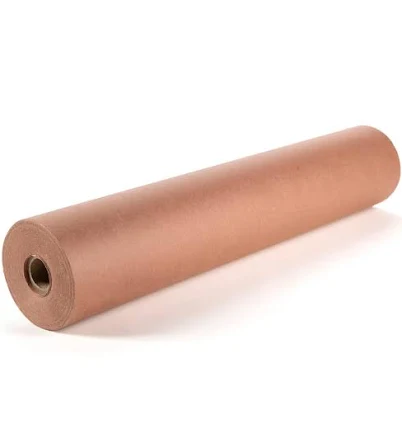
IDL Packaging
White Butcher Paper 18" x 12000" Natural Butcher Paper Roll for Meat and Fish
- natural kraft butcher paper, no coating specified
- The brand calls it PFAS-free, which we have not verified
- Bleach residue and chlorine compounds
2 hazards checked on this product, all on its full breakdown.
- stainless steel blade, bare metal construction
- We found no PFAS statement from the brand
- Blade degradation and metal particle shedding
2 hazards checked on this product, all on its full breakdown.
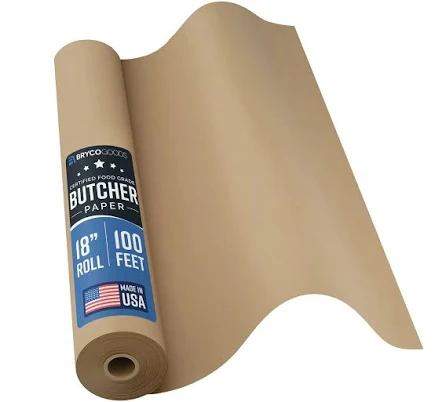
- kraft paper, unbleached cellulose
- We found no PFAS statement from the brand
- Heavy metals
2 hazards checked on this product, all on its full breakdown.
More deli meat & cold cuts packaging grades
How we score, every product runs through the same public 0-100 rubric based on materials, coatings, brand disclosure, lab findings, and recalls. See the full methodology → Spotted a mistake? Report an error.