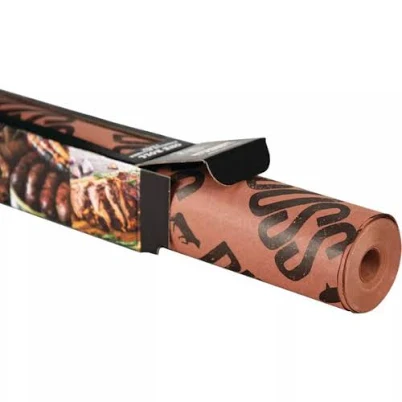
· Grease-Resistant Butcher & Deli Paper
Butcher Paper Wrapping
Probably lower concern, yet coating makeup remains unverified.
Standard butcher paper typically has polyethylene coating for grease resistance, not fluorochemicals. The brand offers no PFAS disclosure, so coating composition cannot be confirmed with certainty.
The better-graded swap
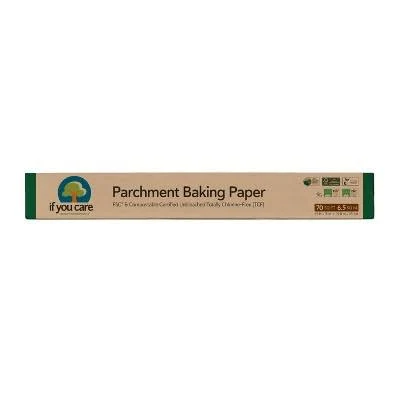
If You Care
If You Care Parchment Baking Sheets
90/100 safety
Same rubric that flunked this product. The swap earned Excellent.
Still want this one anyway? Check the price on Amazon. We’d swap it.
Material
Kraft paper with polyethylene coating
Brand disclosure
Brand is silent on PFAS
Lab data
No public lab test
You may also be interested in
Top-graded picks in the categories readers replace first, every one scored on the same rubric.

- polypropylene filter housing, carbon/sediment cartridge
- We found no PFAS statement from the brand
- Bacterial growth in spent cartridges
3 hazards checked on this product, all on its full breakdown.

Aquasure
Premier Series 75 GPD Under Sink Reverse Osmosis Water Filtration System
- RO membrane, carbon filters, stainless steel housing
- We found no PFAS statement from the brand
- Bacterial and microbial growth in housing and filters
4 hazards checked on this product, all on its full breakdown.

Avocado
Vegan Mattress
- organic cotton, natural latex, coconut coir, recycled steel coils
- The brand calls it PFAS-free, which we have not verified
- Heavy metals
2 hazards checked on this product, all on its full breakdown.
What Butcher Paper Wrapping is made of, ingredients and materials
Butcher paper is kraft paper (wood pulp) laminated with polyethylene (PE) plastic on one or both sides. The PE layer provides water and grease resistance needed for raw meat and deli applications, while kraft paper itself is inert and food-safe under normal use. The junction between paper and PE coating is the only potential concern point, as adhesives or processing chemicals could theoretically leach if the coating degrades or is exposed to extreme heat.
What’s concerning
Category baseline
The starting point for this type of product, before anything specific to this product is counted.
No PFAS disclosure
No public statement from the brand about PFAS in this product.
Waterproof / stain-resistant treatment
Water-repellent coating treatments have historically used PFAS.
Polyethylene coating leaching
PE itself is chemically inert, but adhesives bonding the coating to kraft paper are not disclosed by the brand. Under high heat, grease, or mechanical wear, adhesive oligomers or residual monomers could migrate into fatty foods; risk is low under normal refrigerated storage but undefined for hot or prolonged contact.
Microplastics
If the PE coating is scratched, creased repeatedly, or exposed to UV, physical fragmentation could release microplastic particles into contact with food. No specific data exists for the brand, but this is a known concern for any PE-coated paper product in long-term or mechanical-stress use.
Source, EPA ↗What’s reassuring
Residual processing chemicals in kraft paper
Kraft paper is produced via the Kraft process using sodium hydroxide and sodium sulfide; these are largely neutralized and rinsed before paper formation. Food-contact kraft is regulated under FDA guidelines and residues are not documented as a concern for commercial butcher paper, including the brand.
Bleach or dye residues in paper
The brand appears to be unbleached or minimally bleached (typical kraft appearance). If bleached, chlorine residues are tightly regulated and not reported as a hazard in food-contact paper. No public data indicates the brand uses optical brighteners or food-unsafe dyes.
Ink or printing contaminants
Rolls typically have minimal printing (branding on outer layers). If printed surfaces contact food directly, food-grade inks are required by law; no recalls or warnings specific to this product suggest non-compliance, but verify printed side faces away from meat.
How is this PFAS grade calculated?
The brand's record and disclosure
The brand has no public record of third-party food-contact certifications, safety disclosures, or documented product recalls related to chemical migration or coating failure. The brand does not openly disclose polyethylene supplier identity, adhesive chemistry, or PFAS testing results, which is common among commodity butcher paper suppliers but limits independent verification. No major regulatory warnings or class-action litigation involving this product has entered public record.
How it compares in its category
PE-coated kraft paper is the industry standard for butcher wrap and competes directly with uncoated kraft, silicone-lined paper, and plastic film alternatives. Compared to wax-coated paper (which can release paraffin under heat), PE coating is more stable and less likely to migrate into food. Compared to bare kraft, the PE layer adds grease resistance but introduces polymer leach risk if the coating is compromised; this trade-off is accepted across the category.
If you buy it
Store rolls in a cool, dry place away from direct sunlight to preserve coating integrity. Do not use for hot foods above 60°C (140°F) or in direct contact with high-fat items for extended periods, as PE can soften and adhesives may weaken. Replace rolls if the coating shows visible cracking, peeling, or discoloration. For raw meat storage in refrigeration or freezer, this product poses no elevated chemical risk under standard use.
What is not known about PFAS in this product?
- Basis
- Model estimate, 68% confidence, not a lab result
- Lab test
- None on record for this exact product
- Brand statement
- has made none
Formulations change between production runs, so check the current label. How we grade.
What are the PFAS-free alternatives to Butcher Paper Wrapping?
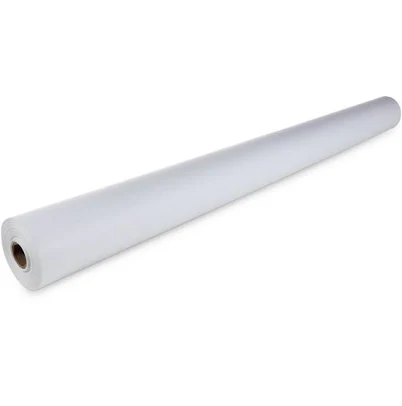
IDL Packaging
White Butcher Paper 18" x 12000" Natural Butcher Paper Roll for Meat and Fish
- unbleached natural kraft paper
- The brand calls it PFAS-free, which we have not verified
- Mold or microbial growth
- unbleached parchment paper, silicone coating
- The brand calls it PFAS-free, which we have not verified
- Silicone coating degradation under heat stress
2 hazards checked on this product, all on its full breakdown.
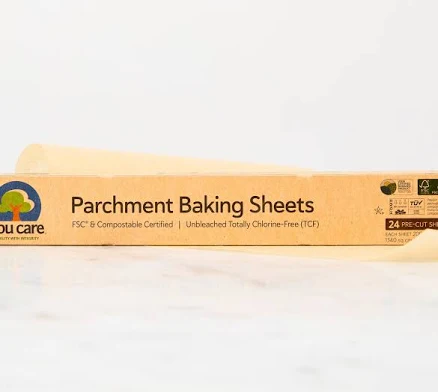
- Silicone-coated parchment paper
- The brand calls it PFAS-free, which we have not verified
- Silicone coating degradation at high heat
More grease-resistant butcher & deli paper grades
How we score, every product runs through the same public 0-100 rubric based on materials, coatings, brand disclosure, lab findings, and recalls. See the full methodology → Spotted a mistake? Report an error.