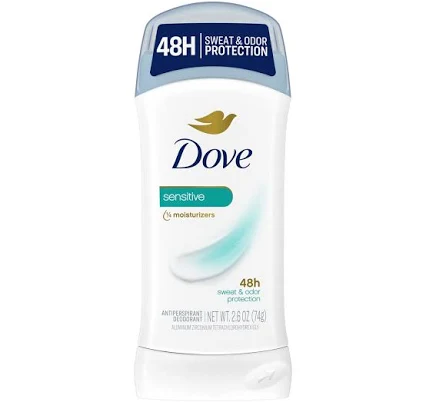
Dove Deodorant
Lower concern; standard formula unlikely to require PFAS without brand transparency.
Water-based antiperspirant lacking waterproofing, stain resistance, or nonstick demands that drive PFAS use. No public PFAS disclosure or third-party testing exists.
We flunk more products than we pass. This one earned its grade. How we grade
Material
Water-based antiperspirant/fragrance in aerosol or stick form
Lab data
No public lab test
You may also be interested in
Top-graded picks in the categories readers replace first, every one scored on the same rubric.

- polypropylene filter housing, carbon/sediment cartridge
- We found no PFAS statement from the brand
- Bacterial growth in spent cartridges
3 hazards checked on this product, all on its full breakdown.

Aquasure
Premier Series 75 GPD Under Sink Reverse Osmosis Water Filtration System
- RO membrane, carbon filters, stainless steel housing
- We found no PFAS statement from the brand
- Bacterial and microbial growth in housing and filters
4 hazards checked on this product, all on its full breakdown.

Avocado
Vegan Mattress
- organic cotton, natural latex, coconut coir, recycled steel coils
- The brand calls it PFAS-free, which we have not verified
- Heavy metals
2 hazards checked on this product, all on its full breakdown.
What Dove Deodorant is made of, ingredients and materials
Dove deodorants are water-based antiperspirant/fragrance formulations available in stick and aerosol delivery. The stick form contains aluminum compounds (typically aluminum zirconium) as the active antiperspirant agent, suspended in wax and emollient bases; aerosol versions add propellants. Neither format relies on heavy metals like lead or cadmium in colorants, and the water-based matrix reduces leaching risk compared to oil or alcohol-heavy alternatives.
What’s concerning
Category baseline
The starting point for this type of product, before anything specific to this product is counted.
No PFAS disclosure
No public statement from the brand about PFAS in this product.
Aluminum antiperspirant salts
Aluminum zirconium and aluminum chlorohydrate are standard active ingredients in Dove antiperspirants. Systemic absorption is minimal under normal use; no established causal link to Alzheimer's at deodorant-use doses, but some toxicologists recommend limiting cumulative exposure, particularly for frequent or heavy users over decades.
Fragrance allergens and sensitizers
Dove deodorants contain proprietary fragrance blends. While no specific allergen recall exists for Dove, synthetic fragrances commonly include limonene, linalool, and geraniol, which can trigger contact dermatitis or respiratory sensitivity in susceptible individuals. Unilever does not disclose individual fragrance components.
Aerosol propellant inhalation
Dove aerosol deodorants use propellants (typically butane or propane) that can cause localized upper respiratory irritation if sprayed in a sealed space or near the face. Repeated heavy inhalation or misuse as an inhalant carries risk; intended use at arm's length mitigates this.
What’s reassuring
Base material not linked to PFAS
The main material recorded for this product is not one associated with PFAS.
Talc contamination (if talc-containing variant)
Most modern Dove deodorant sticks use starch or silica rather than talc; no recalls or public warnings of asbestos or talc contamination in Dove deodorant lines are on record. This hazard is low relative to historical talc-based cosmetics but relevant if a variant uses talc as a base.
Formaldehyde / VOCs
No public record of formaldehyde-releasing preservatives (e.g., DMDM hydantoin, imidazolidinyl urea) documented in Dove deodorant formulations. If present, they would be at trace levels below typical contact-sensitization thresholds, but ingredient transparency would confirm absence.
Source, ATSDR ↗How is this PFAS grade calculated?
The brand's record and disclosure
Dove (Unilever subsidiary) publishes ingredient lists and does not highlight formulation changes or safety audits in public statements. The brand has faced no major recalls related to contamination, heavy metals, or allergen labeling in deodorant products. However, Dove remains silent on PFAS content and testing, offering no transparency on whether water-repellent or anti-caking additives in aerosol lines contain PFOA/PFOS analogs.
How it compares in its category
Dove deodorants sit in the mainstream mass-market tier, competing with Degree, Secret, and Old Spice. Most commercial antiperspirants contain similar aluminum salts; Dove's water-based stick formulation is less volatile than solvent-heavy gel or spray alternatives, reducing inhalation of volatile organic compounds. Natural or mineral-only deodorants (baking soda, activated charcoal brands) eliminate aluminum but sacrifice antiperspirant efficacy and may irritate sensitive skin more readily.
If you buy it
Apply to clean, dry skin to minimize irritation and allow antiperspirant compounds to form a protective layer. Replace stick deodorants every 3-4 months or when depleted; aerosols have no strict shelf life but lose efficacy if stored above 80°F. Discontinue if localized redness, itching, or rash develops; some individuals react to fragrance or aluminum salts. Do not apply to broken skin or immediately after shaving, as aluminum may cause discomfort.
What is not known about PFAS in this product?
- Basis
- Model estimate, 78% confidence, not a lab result
- Lab test
- None on record for this exact product
- Brand statement
- Dove has made a specific claim
Formulations change between production runs, so check the current label. How we grade.
What are the PFAS-free alternatives to Dove Deodorant?
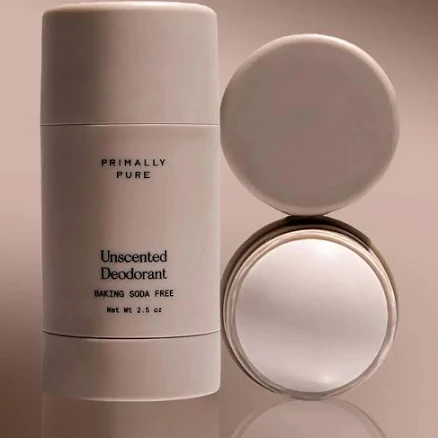
- mineral-based powder blend (arrowroot, magnesium hydroxide, mica)
- We found no PFAS statement from the brand
- Skin irritation from magnesium hydroxide alkalinity
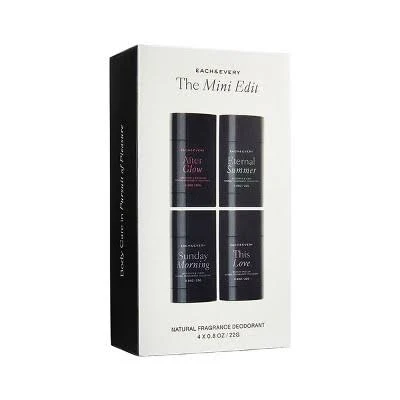
- cosmetic formulations, primary ingredients listed
- A third party reports verifying it as PFAS-free
- Fragrance allergens (natural essential oils)
2 hazards checked on this product, all on its full breakdown.
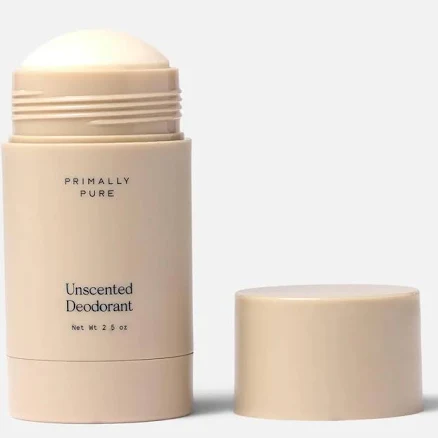
- natural mineral powders, plant-based actives, beeswax
- We found no PFAS statement from the brand
- Beeswax purity and contamination
2 hazards checked on this product, all on its full breakdown.
More deodorant grades
How we score, every product runs through the same public 0-100 rubric based on materials, coatings, brand disclosure, lab findings, and recalls. See the full methodology → Spotted a mistake? Report an error.