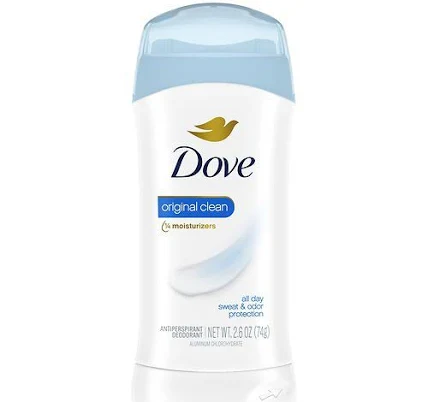
Dove Deodorant Invisible Solid
Lower concern with no known PFAS use but no brand transparency.
Contains conventional silicones, waxes, and talc with no documented PFAS additives or water-repellency claims. Dove offers no public PFAS disclosure or verification.
We flunk more products than we pass. This one earned its grade. How we grade
Material
Cyclopentasiloxane, stearic acid, talc, wax blend
Lab data
No public lab test
You may also be interested in
Top-graded picks in the categories readers replace first, every one scored on the same rubric.

- polypropylene filter housing, carbon/sediment cartridge
- We found no PFAS statement from the brand
- Bacterial growth in spent cartridges
3 hazards checked on this product, all on its full breakdown.

Aquasure
Premier Series 75 GPD Under Sink Reverse Osmosis Water Filtration System
- RO membrane, carbon filters, stainless steel housing
- We found no PFAS statement from the brand
- Bacterial and microbial growth in housing and filters
4 hazards checked on this product, all on its full breakdown.

Avocado
Vegan Mattress
- organic cotton, natural latex, coconut coir, recycled steel coils
- The brand calls it PFAS-free, which we have not verified
- Heavy metals
2 hazards checked on this product, all on its full breakdown.
What Dove Deodorant Invisible Solid is made of, ingredients and materials
Dove Invisible Solid uses cyclopentasiloxane (a volatile silicone), stearic acid (a fatty acid emollient), talc (mineral absorbent), and wax as its core formula. Cyclopentasiloxane evaporates quickly after application, leaving behind a dry, non-oily residue; stearic acid is a common, well-tolerated conditioning agent. Talc is the ingredient warranting scrutiny, though dermal (skin) exposure to cosmetic-grade talc carries lower documented risk than inhalation. The formula contains no known sensitizing preservatives or colorants.
What’s concerning
Category baseline
The starting point for this type of product, before anything specific to this product is counted.
No PFAS disclosure
No public statement from the brand about PFAS in this product.
Talc contamination and inhalation risk
Cosmetic-grade talc can carry trace asbestos or talc-associated respiratory risk primarily through repeated inhalation during application. Dermal contact alone is considered low-risk by regulatory consensus. Dove does not disclose talc sourcing, testing standards, or asbestos screening on this product.
Cyclopentasiloxane environmental and bioaccumulation concern
Cyclopentasiloxane is volatile and persistent in aquatic environments; the EU has restricted its use in rinse-off products. In solid deodorants, skin absorption is minimal, but post-use environmental release is documented. Not a direct health hazard to the user but relevant to broader product safety footprint.
Fragrance allergen disclosure
Dove Invisible Solid contains fragrance (parfum) but does not itemize fragrance components or allergen warnings beyond standard patch-test guidance. Individuals with fragrance sensitivity or dermatitis may experience reactions; unscented alternatives are available from Dove.
What’s reassuring
Base material not linked to PFAS
The main material recorded for this product is not one associated with PFAS.
Heavy metals
No recalls or test reports document lead, cadmium, or other heavy metal contamination in Dove talc or wax components. Industry talc screening typically covers asbestos; heavy metal monitoring is less standardized in deodorants than in powders marketed for infants.
Source, FDA ↗Formaldehyde / VOCs
No formaldehyde-releasing preservatives (e.g., imidazolidinyl urea) are listed on the ingredient label or in available formulation data. Standard cosmetic preservatives used in this category do not present documented risk at deodorant application levels.
Source, ATSDR ↗How is this PFAS grade calculated?
The brand's record and disclosure
Dove (Unilever subsidiary) maintains no publicly available transparency on talc sourcing, testing, or asbestos screening protocols specific to this product. Unilever has faced historical litigation over talc safety in other personal care lines but has not issued voluntary reformulations or third-party certifications for this deodorant. The brand does not publish ingredient sourcing reports or heavy metal testing results. No recalls or regulatory warnings are on record for this specific product.
How it compares in its category
Most traditional solid deodorants (Degree, Secret, Old Spice) contain talc or cornstarch as mineral absorbents; Dove's formulation is typical for the mass-market segment. Talc-free alternatives (often using arrowroot, rice powder, or synthetic silicates) are available from brands like Native and Kopari but command higher prices. Dove's cyclopentasiloxane base is standard across antiperspirant and deodorant categories; no safety advantage or disadvantage versus competitors on this metric alone. The absence of aluminum compounds (antiperspirant actives) is a selling point for users seeking non-antiperspirant options.
If you buy it
Apply to clean, dry skin; avoid inhalation of powder during application. Replace every 6-12 months or when product becomes crumbly or depleted. Do not use on broken or irritated skin; discontinue if rash develops. If talc exposure is a personal concern, consider switching to a certified talc-free deodorant; this product does not carry such a claim.
What is not known about PFAS in this product?
- Basis
- Model estimate, 72% confidence, not a lab result
- Lab test
- None on record for this exact product
- Brand statement
- Dove has made a specific claim
Formulations change between production runs, so check the current label. How we grade.
What are the PFAS-free alternatives to Dove Deodorant Invisible Solid?
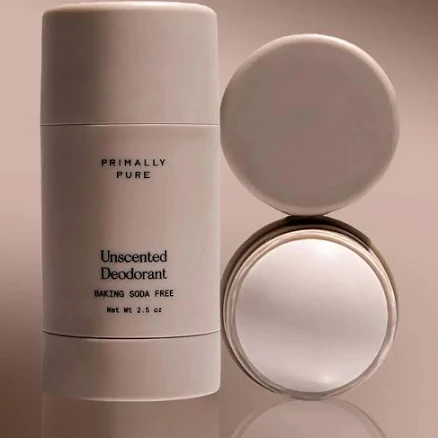
- mineral-based powder blend (arrowroot, magnesium hydroxide, mica)
- We found no PFAS statement from the brand
- Skin irritation from magnesium hydroxide alkalinity
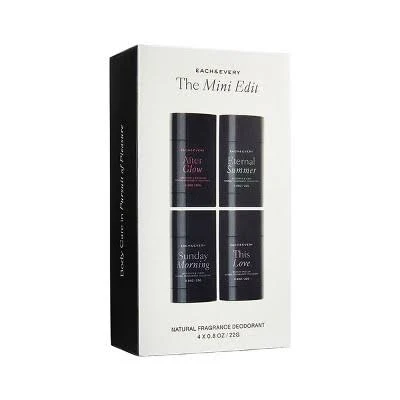
- cosmetic formulations, primary ingredients listed
- A third party reports verifying it as PFAS-free
- Fragrance allergens (natural essential oils)
2 hazards checked on this product, all on its full breakdown.
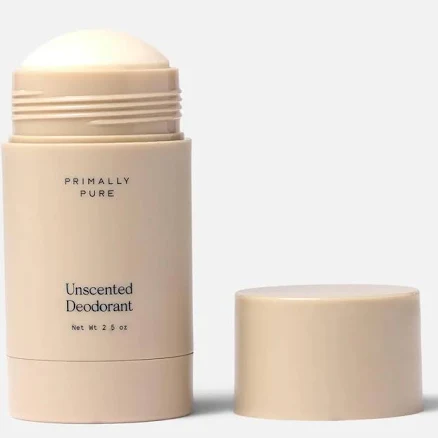
- natural mineral powders, plant-based actives, beeswax
- We found no PFAS statement from the brand
- Beeswax purity and contamination
2 hazards checked on this product, all on its full breakdown.
More deodorant grades
How we score, every product runs through the same public 0-100 rubric based on materials, coatings, brand disclosure, lab findings, and recalls. See the full methodology → Spotted a mistake? Report an error.