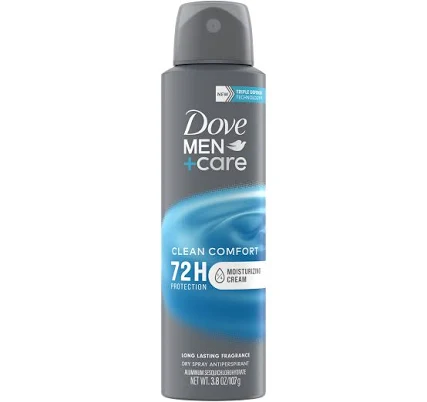
Dove Antiperspirant Dry Spray
Lower concern for standard spray antiperspirant with no known PFAS vectors.
Dove's hydrocarbon spray antiperspirant has aluminum-based actives with no Teflon-type coating coatings, Teflon-family coating, or water-resistant treatments. No public PFAS testing or independent lab data exists.
We flunk more products than we pass. This one earned its grade. How we grade
Material
Hydrocarbon propellant spray; aluminum antiperspirant actives (aluminum sesquichlorohydrate typical)
Lab data
No public lab test
You may also be interested in
Top-graded picks in the categories readers replace first, every one scored on the same rubric.

- polypropylene filter housing, carbon/sediment cartridge
- We found no PFAS statement from the brand
- Bacterial growth in spent cartridges
3 hazards checked on this product, all on its full breakdown.

Aquasure
Premier Series 75 GPD Under Sink Reverse Osmosis Water Filtration System
- RO membrane, carbon filters, stainless steel housing
- We found no PFAS statement from the brand
- Bacterial and microbial growth in housing and filters
4 hazards checked on this product, all on its full breakdown.

Avocado
Vegan Mattress
- organic cotton, natural latex, coconut coir, recycled steel coils
- The brand calls it PFAS-free, which we have not verified
- Heavy metals
2 hazards checked on this product, all on its full breakdown.
What Dove Antiperspirant Dry Spray is made of, ingredients and materials
Dove Men+Care Antiperspirant Dry Spray uses aluminum sesquichlorohydrate as its active antiperspirant agent, a common salt form that blocks sweat ducts. The formula relies on a hydrocarbon propellant (typically isobutane/propane mix) to aerosolize the product, which is the industry standard and avoids HCFC/CFC ozone-depleters. No talc is listed in Dove formulations, and the spray format minimizes inhalation risk compared to powder forms. The dry spray dries quickly on skin with minimal residue.
What’s concerning
Category baseline
The starting point for this type of product, before anything specific to this product is counted.
No PFAS disclosure
No public statement from the brand about PFAS in this product.
Fragrance allergens
Dove Men+Care antiperspirant contains fragrance compounds that may trigger contact dermatitis in sensitive individuals; the brand does not disclose full fragrance components due to trade secret protections, limiting transparency for allergen screening.
What’s reassuring
Base material not linked to PFAS
The main material recorded for this product is not one associated with PFAS.
Aluminum absorption (topical)
Aluminum sesquichlorohydrate applied to underarm skin does not accumulate systemically at clinically significant levels according to dermatological consensus; no causal link to Alzheimer's or other disease is established from antiperspirant use.
Hydrocarbon propellant inhalation
Standard isobutane/propane propellants are non-toxic at brief consumer exposure levels; spray use at arm's length poses negligible inhalation risk compared to direct aerosol abuse or occupational exposure.
Formaldehyde / VOCs
No formaldehyde or formaldehyde-releasing preservatives are commonly used in modern antiperspirant spray formulations; Dove's standard preservative systems do not include such agents.
Source, ATSDR ↗Heavy metals
Antiperspirant sprays contain minimal colorants or pigments; no lead, cadmium, or arsenic contamination has been reported in Dove antiperspirant products or similar spray formulations in this category.
Source, FDA ↗How is this PFAS grade calculated?
The brand's record and disclosure
Dove (Unilever) does not publicly disclose PFAS screening results for antiperspirants, though the brand has faced no recalls or regulatory actions tied to this product. Unilever has committed to reducing PFOA/PFOS in manufacturing but does not publish third-party testing for consumer deodorants. No formaldehyde releasers or banned azo dyes have been identified in Dove antiperspirant formulations. The product is hypoallergenic and dermatologist-tested, meeting basic safety standards.
How it compares in its category
Aluminum spray antiperspirants like this are the mainstream choice and carry well-established safety profiles across brands. Compared to powder deodorants, sprays avoid talc contamination risk and inhalation hazards. Versus aluminum-free natural alternatives, this product offers stronger sweat blocking but retains theoretical aluminum absorption concerns (not established as harmful at topical doses). Cost and ease of use rank this in the standard category, not premium or niche.
If you buy it
Apply to dry skin, typically underarm, and allow 1-2 minutes to dry before dressing to avoid transfer and staining. Do not use on broken or irritated skin. Replace when the spray mechanism clogs or output weakens (typically 6-12 months depending on frequency). Store at room temperature away from heat sources; propellant is flammable. Discontinue if rash, itching, or irritation develops; aluminum sensitivity is rare but possible.
What is not known about PFAS in this product?
- Basis
- Model estimate, 72% confidence, not a lab result
- Lab test
- None on record for this exact product
- Brand statement
- Dove has made a specific claim
Formulations change between production runs, so check the current label. How we grade.
What are the PFAS-free alternatives to Dove Antiperspirant Dry Spray?
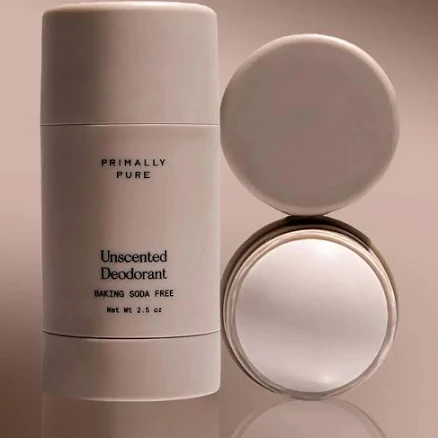
- mineral-based powder blend (arrowroot, magnesium hydroxide, mica)
- We found no PFAS statement from the brand
- Skin irritation from magnesium hydroxide alkalinity
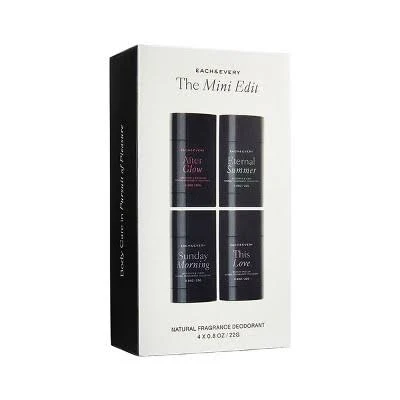
- cosmetic formulations, primary ingredients listed
- A third party reports verifying it as PFAS-free
- Fragrance allergens (natural essential oils)
2 hazards checked on this product, all on its full breakdown.
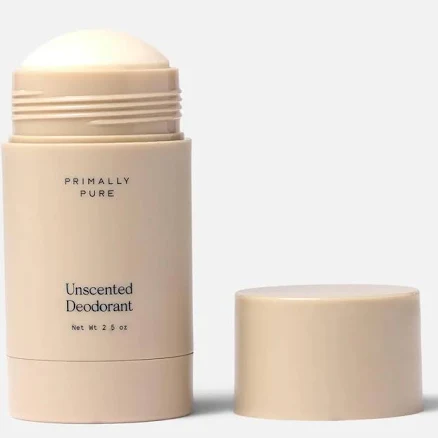
- natural mineral powders, plant-based actives, beeswax
- We found no PFAS statement from the brand
- Beeswax purity and contamination
2 hazards checked on this product, all on its full breakdown.
More deodorant grades
How we score, every product runs through the same public 0-100 rubric based on materials, coatings, brand disclosure, lab findings, and recalls. See the full methodology → Spotted a mistake? Report an error.