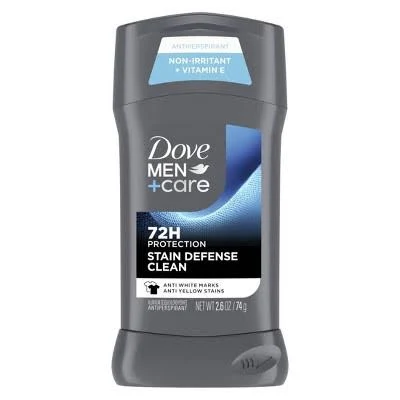
Dove Men+Care Antiperspirant
Low-Medium risk from typical cosmetic formulation with no known PFAS concerns.
Dove Men+Care uses standard aluminum without public evidence of PFAS in active ingredients or coatings. The brand offers no PFAS transparency statements, and no independent lab data exists.
We flunk more products than we pass. This one earned its grade. How we grade
Material
Aluminum antiperspirant, standard cosmetic formulation
Brand disclosure
Brand is silent on PFAS
Lab data
No public lab test
You may also be interested in
Top-graded picks in the categories readers replace first, every one scored on the same rubric.

- polypropylene filter housing, carbon/sediment cartridge
- We found no PFAS statement from the brand
- Bacterial growth in spent cartridges
3 hazards checked on this product, all on its full breakdown.

Aquasure
Premier Series 75 GPD Under Sink Reverse Osmosis Water Filtration System
- RO membrane, carbon filters, stainless steel housing
- We found no PFAS statement from the brand
- Bacterial and microbial growth in housing and filters
4 hazards checked on this product, all on its full breakdown.

Avocado
Vegan Mattress
- organic cotton, natural latex, coconut coir, recycled steel coils
- The brand calls it PFAS-free, which we have not verified
- Heavy metals
2 hazards checked on this product, all on its full breakdown.
What Dove Men+Care Antiperspirant is made of, ingredients and materials
Dove Men+Care Antiperspirant is a stick formulation based on aluminum zirconium compounds, the industry-standard active ingredient for sweat suppression. The formula includes water, starch, talc or silica as absorbents, emollients (glycerin, dimethicone), and fragrance. Aluminum antiperspirant has been extensively studied; the FDA regulates it as a Category I active ingredient at concentrations up to 25%, and systemic absorption through skin is minimal under normal use.
What’s concerning
Category baseline
The starting point for this type of product, before anything specific to this product is counted.
No PFAS disclosure
No public statement from the brand about PFAS in this product.
Aluminum in antiperspirant (systemic absorption concern)
Aluminum zirconium is absorbed minimally through intact skin under normal use; long-term daily exposure is debated in scientific literature but not conclusively linked to Alzheimer's or other diseases in epidemiological studies. The FDA maintains aluminum antiperspirant as acceptable at current use levels. Theoretical risk exists only for individuals with severe kidney impairment who cannot excrete alum
Talc contamination risk
If this formulation contains talc as an absorbent (common in stick antiperspirants), there is a historical supply-chain risk of asbestos contamination, though modern cosmetic-grade talc is typically mined and processed to reduce this. Talc itself is not carcinogenic when not inhaled; inhalation risk is low with stick application to skin. Unilever has not publicly disclosed whether Dove Men+Care co
Fragrance allergens
Dove Men+Care includes fragrance (listed as 'Fragrance' on the label, not broken down by ingredient). Synthetic fragrance blends may contain allergens such as limonene, linalool, or cinnamal that trigger contact dermatitis in sensitive users. The brand does not disclose fragrance composition or hypoallergenicity testing; patch testing is the only way to assess personal tolerance.
Inhalation risk from powder formulation
Stick antiperspirants release minimal airborne particles during normal application, but dry powder or aerosol variants of the same product line pose higher inhalation risk if applied in enclosed spaces. Dove Men+Care stick formulation is low-risk for respiratory exposure under intended use; accidental or intentional inhalation of the stick itself would be unlikely.
What’s reassuring
Base material not linked to PFAS
The main material recorded for this product is not one associated with PFAS.
Dimethicone (silicone) occlusion on skin
Dimethicone is a widely used skin-safe silicone in cosmetics with no established toxicity concerns. It may occlude pores slightly if used excessively, but is not associated with systemic absorption or endocrine disruption at cosmetic use levels. This hazard is largely theoretical and unsubstantiated in the literature for this product.
How is this PFAS grade calculated?
The brand's record and disclosure
Dove (Unilever) maintains no published independent safety certifications (e.g., EWG Verified, Cradle to Cradle) for this product line. The brand does not publish ingredient sourcing, third-party testing, or PFAS/forever-chemicals disclosure statements. Unilever has faced no major recalls or substantiated safety controversies specific to Dove Men+Care antiperspirant. Ingredient transparency is limited to the label; safety data sheets are available on request but not proactively disclosed.
How it compares in its category
This product sits in the mainstream mass-market segment alongside Old Spice, Degree, and Axe. It offers no differentiation in hazard profile compared to standard aluminum stick antiperspirants. Alternatives with stronger transparency (e.g., Schmidt's Natural, Burt's Bees) disclose sourcing and often exclude talc; aluminum-free options (e.g., arm+hammer) eliminate the aluminum question but trade efficacy for some users. Dove's positioning is middle-of-the-road safety and performance with minimal brand-level transparency.
If you buy it
Apply to clean, dry skin; avoid application immediately after shaving or on irritated skin, as aluminum can cause localized irritation in sensitive users. Use as directed on the label (typically once daily); do not inhale powder directly if the formula contains loose talc. Replace the stick every 3-6 months or when depleted. If you experience rash, swelling, or respiratory irritation (rare), discontinue and consult a dermatologist; most users tolerate aluminum antiperspirant without issue.
What is not known about PFAS in this product?
- Basis
- Model estimate, 72% confidence, not a lab result
- Lab test
- None on record for this exact product
- Brand statement
- Dove Men+Care has made none
Formulations change between production runs, so check the current label. How we grade.
What are the PFAS-free alternatives to Dove Men+Care Antiperspirant?
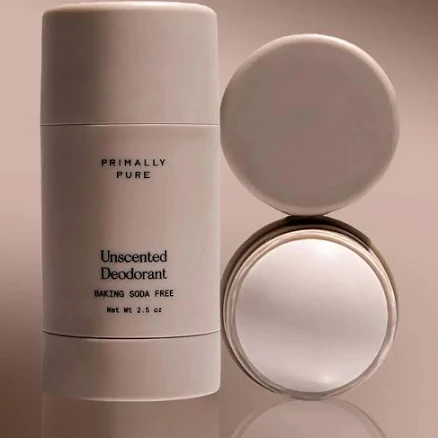
- mineral-based powder blend (arrowroot, magnesium hydroxide, mica)
- We found no PFAS statement from the brand
- Skin irritation from magnesium hydroxide alkalinity
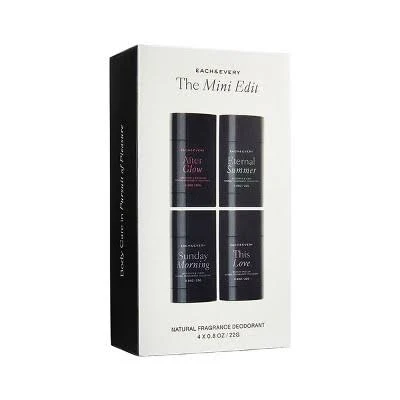
- cosmetic formulations, primary ingredients listed
- A third party reports verifying it as PFAS-free
- Fragrance allergens (natural essential oils)
2 hazards checked on this product, all on its full breakdown.
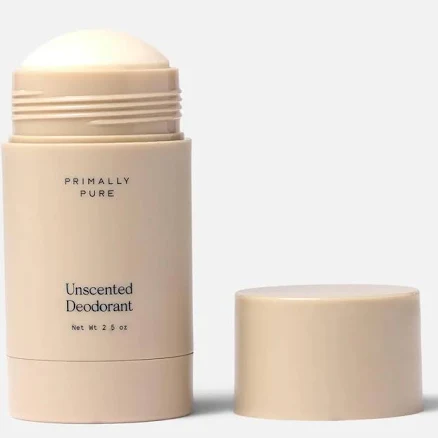
- natural mineral powders, plant-based actives, beeswax
- We found no PFAS statement from the brand
- Beeswax purity and contamination
2 hazards checked on this product, all on its full breakdown.
More deodorant grades
How we score, every product runs through the same public 0-100 rubric based on materials, coatings, brand disclosure, lab findings, and recalls. See the full methodology → Spotted a mistake? Report an error.