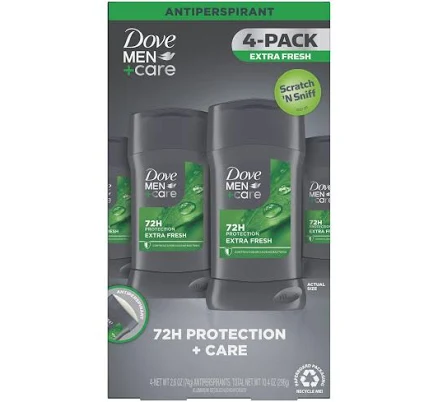
Dove Men+Care Antiperspirant Deodorant Stick Extra Fresh 2.6 oz. 4 pk.
Lower PFAS concern. Material recorded is not linked to PFAS.
This stick antiperspirant contains talc, stearic acid, cyclomethicone (silicone), and fragrance. The brand has no PFAS statement on record. No PFAS-associated coatings or water-repellent finishes are listed.
We flunk more products than we pass. This one earned its grade. How we grade
Material
talc, stearic acid, cyclomethicone (silicone), fragrance
Brand disclosure
Brand is silent on PFAS
Lab data
No public lab test
You may also be interested in
Top-graded picks in the categories readers replace first, every one scored on the same rubric.

- polypropylene filter housing, carbon/sediment cartridge
- We found no PFAS statement from the brand
- Bacterial growth in spent cartridges
3 hazards checked on this product, all on its full breakdown.

Aquasure
Premier Series 75 GPD Under Sink Reverse Osmosis Water Filtration System
- RO membrane, carbon filters, stainless steel housing
- We found no PFAS statement from the brand
- Bacterial and microbial growth in housing and filters
4 hazards checked on this product, all on its full breakdown.

Avocado
Vegan Mattress
- organic cotton, natural latex, coconut coir, recycled steel coils
- The brand calls it PFAS-free, which we have not verified
- Heavy metals
2 hazards checked on this product, all on its full breakdown.
What Dove Men+Care Antiperspirant Deodorant pk. is made of, ingredients and materials
This is a talc-based antiperspirant stick combining talc (absorbent mineral), stearic acid (emulsifier/thickener), cyclomethicone (volatile silicone that aids spreadability and drying), and fragrance compounds. Talc has been the historical standard in antiperspirants for decades; the concern around talc relates specifically to inhalation of powder particles (relevant mainly to loose powder forms) and legacy contamination with asbestos, not the pressed stick form. Cyclomethicone evaporates during and after application, leaving a dry residue; stearic acid is a fatty acid widely used in cosmetics with low toxicity at these concentrations.
What’s concerning
Category baseline
The starting point for this type of product, before anything specific to this product is counted.
No PFAS disclosure
No public statement from the brand about PFAS in this product.
Talc contamination (asbestos legacy risk)
Talc mined decades ago sometimes contained asbestos; modern suppliers are regulated, but historic contamination in legacy deposits remains a theoretical concern. This pressed stick format is not an inhalation vector unless crushed and aerosolized, making practical risk very low.
Fragrance allergens and sensitization
Fragrance blend composition is proprietary; common fragrance allergens (limonene, linalool, geraniol) can trigger contact dermatitis in sensitive users. No specific allergic reactions to this formula are on public record, but fragrance is the most common cosmetic allergen category.
Cyclomethicone volatility and inhalation
Cyclomethicone is a volatile silicone that evaporates quickly; inhalation in poorly ventilated spaces could theoretically cause mild respiratory irritation. The risk is minimal in normal bathroom application but increases if applied in enclosed spaces without air circulation.
Aluminum salt systemic absorption
Antiperspirant aluminum salts (likely aluminum zirconium or aluminum chlorohydrate, not detailed in your material list) can be absorbed through intact skin at low levels; long-term systemic effects remain debated but FDA has found no conclusive causal link to Alzheimer's or cancer at typical consumer exposure.
Skin irritation and barrier disruption
Talc, stearic acid, and fragrance can cumulatively disrupt the skin barrier or cause irritant contact dermatitis, especially with frequent reapplication, shaving, or use on compromised skin. Individual sensitivity varies; this is a common complaint across the antiperspirant category, not unique to this product.
What’s reassuring
Base material not linked to PFAS
The main material recorded for this product is not one associated with PFAS.
How is this PFAS grade calculated?
The brand's record and disclosure
Dove (Unilever) does not publish detailed PFAS disclosure for antiperspirant products, nor does it market PFAS-free claims. The brand has faced no major regulatory actions or recalls on this specific product line. Unilever has committed to reducing "forever chemicals" in rinse-off products but has not made binding PFAS phase-out commitments for antiperspirants. Standard safety testing and ingredient compliance with FDA and EU regulations are assumed but not independently certified by third parties for this SKU.
How it compares in its category
Most conventional antiperspirant sticks use talc or alternative minerals (silica, mica) as the base; this Dove formulation is unremarkable within the mass-market category. Aluminum salts (the active antiperspirant agent, not listed in your material summary but standard in all antiperspirants) are typically present at 10-15% in this category. Consumer-grade sticks avoid exotic claims and premium certifications; natural or mineral-only alternatives (e.g., crystal deodorants, baking-soda formulas) exist as a separate tier but are not claimed here. Fragrance intensity and skin sensitivity are the main variables between mass-market competitors, not chemical safety profiles.
If you buy it
Apply to clean, dry underarms only; avoid broken or recently shaved skin to minimize irritation. Do not inhale the product during or immediately after application, as inhaled talc particles can irritate respiratory tissue, though stick application carries minimal inhalation risk compared to powders. Replace or discard if the stick becomes loose, crumbly, or shows visible mold or separation (signs of moisture ingress or age). Store in a cool, dry place; heat or humidity can degrade the stick structure and increase microbial colonization.
What is not known about PFAS in this product?
- Basis
- Model estimate, 72% confidence, not a lab result
- Lab test
- None on record for this exact product
- Brand statement
- Dove Men+Care has made none
Formulations change between production runs, so check the current label. How we grade.
What are the PFAS-free alternatives to Dove Men+Care Antiperspirant Deodorant Stick Extra Fresh 2.6 oz. 4 pk.?
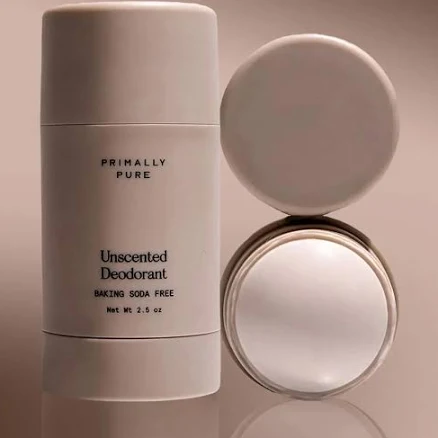
- mineral-based powder blend (arrowroot, magnesium hydroxide, mica)
- We found no PFAS statement from the brand
- Skin irritation from magnesium hydroxide alkalinity
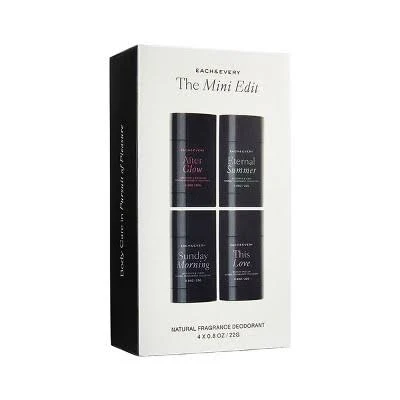
- cosmetic formulations, primary ingredients listed
- A third party reports verifying it as PFAS-free
- Fragrance allergens (natural essential oils)
2 hazards checked on this product, all on its full breakdown.
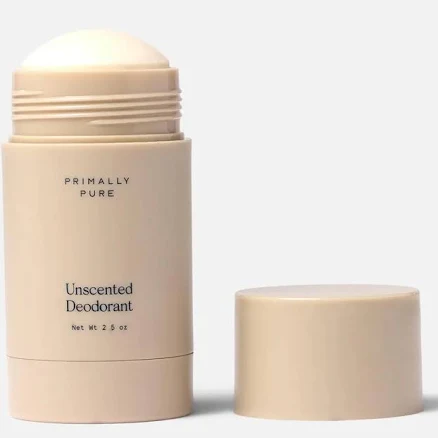
- natural mineral powders, plant-based actives, beeswax
- We found no PFAS statement from the brand
- Beeswax purity and contamination
2 hazards checked on this product, all on its full breakdown.
More deodorant grades
How we score, every product runs through the same public 0-100 rubric based on materials, coatings, brand disclosure, lab findings, and recalls. See the full methodology → Spotted a mistake? Report an error.