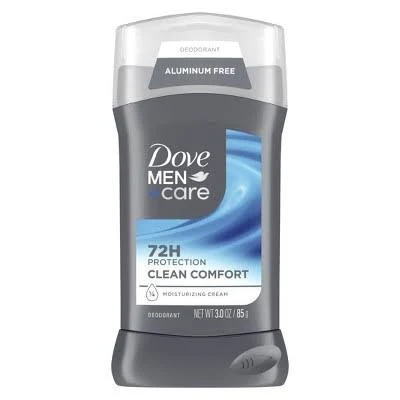
Dove Men+Care Clean Comfort Deodorant Stick Twin Pack
Lower risk cosmetic without PFAS-prone ingredients, though brand transparency lacks.
This deodorant stick uses wax, starch, and talc without water-resistance or grease-repellent coatings needing PFAS. Unilever discloses nothing about PFAS practices for this line.
We flunk more products than we pass. This one earned its grade. How we grade
Material
Wax, starch, and talc base with fragrance
Brand disclosure
Brand is silent on PFAS
Lab data
No public lab test
You may also be interested in
Top-graded picks in the categories readers replace first, every one scored on the same rubric.

- polypropylene filter housing, carbon/sediment cartridge
- We found no PFAS statement from the brand
- Bacterial growth in spent cartridges
3 hazards checked on this product, all on its full breakdown.

Aquasure
Premier Series 75 GPD Under Sink Reverse Osmosis Water Filtration System
- RO membrane, carbon filters, stainless steel housing
- We found no PFAS statement from the brand
- Bacterial and microbial growth in housing and filters
4 hazards checked on this product, all on its full breakdown.

Avocado
Vegan Mattress
- organic cotton, natural latex, coconut coir, recycled steel coils
- The brand calls it PFAS-free, which we have not verified
- Heavy metals
2 hazards checked on this product, all on its full breakdown.
What Dove Men+Care Clean Stick Twin Pack is made of, ingredients and materials
Dove Men+Care Clean Comfort is a solid stick deodorant formulated primarily from waxes (likely paraffin or plant-derived), starches for texture and absorption, and talc as the base absorbent mineral. Fragrance compounds are included for scent but represent a small percentage. Talc itself is cosmetic-grade, meaning it is required in the US to be asbestos-free under FDA oversight, though talc mining carries inherent contamination risks that manufacturers must test against. The wax-starch-talc combination avoids aluminum salts (antiperspirants) and synthetic polymer coatings that degrade over time.
What’s concerning
Category baseline
The starting point for this type of product, before anything specific to this product is counted.
No PFAS disclosure
No public statement from the brand about PFAS in this product.
Fragrance allergens and sensitizers
Fragrance compounds are undisclosed by individual ingredient on the label (listed as 'fragrance'), a legal industry standard. People with sensitive skin or fragrance allergies may experience contact dermatitis; this is a usage risk rather than a manufacturing defect.
What’s reassuring
Base material not linked to PFAS
The main material recorded for this product is not one associated with PFAS.
Heavy metals
Cosmetic-grade talc in the US is required to be asbestos-free and tested for heavy metals; Dove's parent company has not faced successful recalls on talc purity in deodorants. No known contamination reports specific to this product line.
Source, FDA ↗Formaldehyde / VOCs
Talc-wax-starch formulations typically do not require formaldehyde-releasing preservatives; if preservatives are used, they are not listed as a known concern in Dove cosmetics safety records. No documented formaldehyde issues in this product category from Dove.
Source, ATSDR ↗Heavy metals
Dove deodorants do not contain synthetic pigments or colorants that carry lead/cadmium risk; talc itself is regulated for heavy metals in cosmetic-grade form. No heavy-metal recalls or safety actions against this product.
Source, FDA ↗Coating degradation or material leaching over time
This is a solid stick, not a coated or composite product; wax and starch do not degrade into hazardous byproducts under normal storage. Risk of degradation is cosmetic (loss of efficacy) not toxicological.
How is this PFAS grade calculated?
The brand's record and disclosure
Dove (Unilever) maintains a long track record of third-party safety testing and transparent ingredient disclosure on product labels. The brand has not faced significant product-safety recalls related to deodorants or talc contamination in recent decades, and cosmetics from this line are routinely formulated to meet FDA and EU cosmetic safety standards. However, Dove has not publicly committed to eliminating PFAS from cosmetics or provided detailed third-party testing for PFAS in this specific product, which reflects broader industry silence rather than a Dove-specific red flag. The brand's omission of transparency on PFAS is a minor concern but not unusual for mainstream mass-market personal care.
How it compares in its category
Talc-based deodorants like this one are middle-ground in safety, they avoid synthetic polymers (found in gel or spray formulations) that off-gas volatile organic compounds, but they carry the legacy concern of talc itself (though cosmetic-grade talc is regulated). Compared to antiperspirant sticks (which use aluminum salts), this product does not address sweat; compared to spray or gel deodorants, it has lower chemical complexity and no propellant risk. Within Dove's own range, this is among the simpler, least-engineered formulations, which favors safety margins.
If you buy it
Store the stick in a cool, dry place away from heat to prevent wax separation or sweating (above 75F can cause cosmetic degradation but not safety risk). Replace the stick when it becomes uneven or cracks appear; talc in degraded sticks does not become hazardous, but efficacy drops. If you have a known talc sensitivity or family history of ovarian cancer concerns (a disputed but persistent concern in litigation), consider plant-starch alternatives instead. Apply as directed and discontinue if skin irritation or allergic reaction to fragrance occurs.
What is not known about PFAS in this product?
- Basis
- Model estimate, 78% confidence, not a lab result
- Lab test
- None on record for this exact product
- Brand statement
- Dove Men+Care has made none
Formulations change between production runs, so check the current label. How we grade.
What are the PFAS-free alternatives to Dove Men+Care Clean Comfort Deodorant Stick Twin Pack?
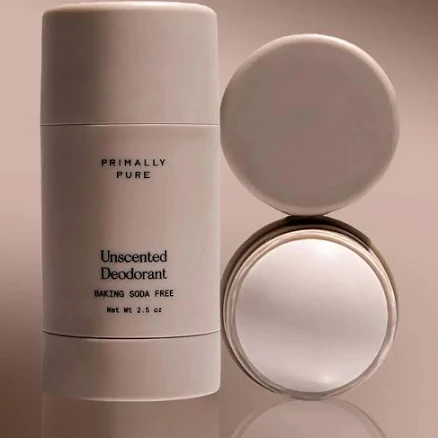
- mineral-based powder blend (arrowroot, magnesium hydroxide, mica)
- We found no PFAS statement from the brand
- Skin irritation from magnesium hydroxide alkalinity
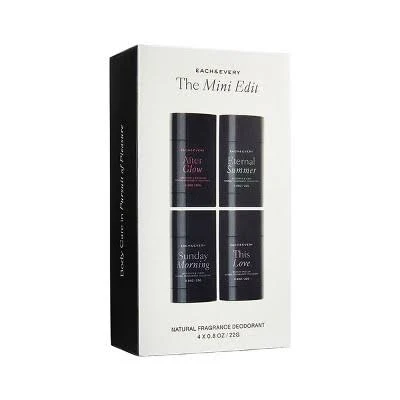
- cosmetic formulations, primary ingredients listed
- A third party reports verifying it as PFAS-free
- Fragrance allergens (natural essential oils)
2 hazards checked on this product, all on its full breakdown.
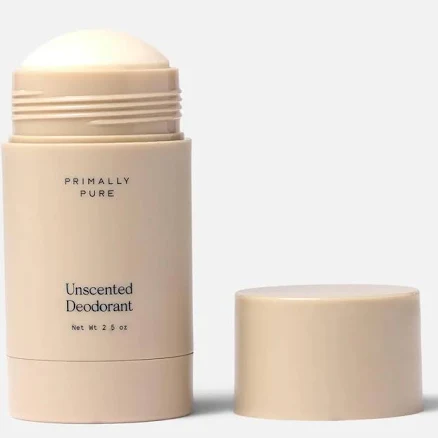
- natural mineral powders, plant-based actives, beeswax
- We found no PFAS statement from the brand
- Beeswax purity and contamination
2 hazards checked on this product, all on its full breakdown.
More deodorant grades
How we score, every product runs through the same public 0-100 rubric based on materials, coatings, brand disclosure, lab findings, and recalls. See the full methodology → Spotted a mistake? Report an error.