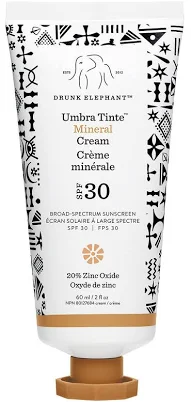
Drunk Elephant Umbra Tinte Mineral Cream
Low-medium risk; mineral formulas rarely need fluorinated coatings.
This mineral cream tint contains zinc oxide and talc without water-resistance treatments or Teflon-family coating coatings. The brand provides no PFAS-free claim or third-party testing.
We flunk more products than we pass. This one earned its grade. How we grade
Material
mineral pigments, talc, silicates in emollient base
Brand disclosure
Brand is silent on PFAS
Lab data
No public lab test
You may also be interested in
Top-graded picks in the categories readers replace first, every one scored on the same rubric.

- polypropylene filter housing, carbon/sediment cartridge
- We found no PFAS statement from the brand
- Bacterial growth in spent cartridges
3 hazards checked on this product, all on its full breakdown.

Aquasure
Premier Series 75 GPD Under Sink Reverse Osmosis Water Filtration System
- RO membrane, carbon filters, stainless steel housing
- We found no PFAS statement from the brand
- Bacterial and microbial growth in housing and filters
4 hazards checked on this product, all on its full breakdown.

Avocado
Vegan Mattress
- organic cotton, natural latex, coconut coir, recycled steel coils
- The brand calls it PFAS-free, which we have not verified
- Heavy metals
2 hazards checked on this product, all on its full breakdown.
What Drunk Elephant Umbra Tinte Mineral Cream is made of, ingredients and materials
Umbra Tinte is a mineral cream sunscreen built on zinc oxide and/or titanium dioxide as UV blockers, combined with talc, silicates, and emollient oils. Mineral sunscreens use physical UV reflection rather than chemical absorption, which is inherently lower-risk for systemic toxicity. The talc and silicate components provide texture and slip; their safety depends entirely on sourcing and processing to exclude asbestos contamination and heavy metals.
What’s concerning
Category baseline
The starting point for this type of product, before anything specific to this product is counted.
No PFAS disclosure
No public statement from the brand about PFAS in this product.
Heavy metals
Talc mining can co-extract asbestos and cadmium depending on deposit geology and processing standards. Drunk Elephant does not publicly certify talc sourcing or disclose whether independent heavy-metal testing is performed. No recalls or contamination reports specific to this product are on record.
Source, FDA ↗Silicate inhalation risk
Mineral powder sunscreens shed fine silicate particles during application, especially in powder or spray formulations. Umbra Tinte is a cream, so inhalation risk is lower than loose powder; however, if powder derivatives of this line exist, chronic inhalation could pose respiratory concern. No incident reports for this product specifically are documented.
Heavy metals
Titanium dioxide and iron oxide pigments used in mineral sunscreens can contain trace lead, cadmium, or chromium depending on ore source. Cosmetic-grade materials are regulated to limits (e.g., < 10 ppm lead in the US), but sourcing transparency varies by brand. Drunk Elephant does not publish pigment sourcing or testing data.
Source, FDA ↗What’s reassuring
Base material not linked to PFAS
The main material recorded for this product is not one associated with PFAS.
Formaldehyde / VOCs
Drunk Elephant typically avoids formaldehyde-releasing preservatives in branded formulations. No evidence of formaldehyde donors (e.g., DMDM hydantoin, imidazolidinyl urea) has been reported in this product.
Source, ATSDR ↗Fragrance allergens
Umbra Tinte is marketed as lightly scented or unscented, minimizing fragrance allergen exposure. Drunk Elephant does not use synthetic musks or phthalate plasticizers in fragrance; however, full fragrance ingredient disclosure is not always provided.
How is this PFAS grade calculated?
The brand's record and disclosure
Drunk Elephant markets aggressively on clean beauty credentials and publishes ingredient lists transparently. The brand avoids several common cosmetic irritants by design (no essential oils, no drying alcohols in most lines). However, the company does not publicly disclose talc sourcing standards, mining origins, or third-party heavy-metal testing results, which is a transparency gap in the mineral powder category.
How it compares in its category
Mineral sunscreens have a lower concern for bioaccumulation and skin penetration compared to chemical filters. Umbra Tinte is positioned at the premium end; comparable alternatives include Blue Lizard Sensitive or Aveeno Hydrosport, which offer similar zinc/titanium formulas. Drunk Elephant's main differentiator is brand prestige and formulation elegance rather than superior hazard profile.
If you buy it
Apply generously to sun-exposed skin 15 minutes before outdoor activity; mineral sunscreens are not absorbed and sit on the skin surface, so reapplication after water exposure or heavy sweating is critical. Store in cool, dry conditions away from direct heat; the emollient base is stable but will separate if exposed to sustained warmth. Discontinue use if skin irritation or rash develops, and patch-test first if you have sensitive skin, as silicates can occasionally cause friction irritation in high concentrations.
What is not known about PFAS in this product?
- Basis
- Model estimate, 78% confidence, not a lab result
- Lab test
- None on record for this exact product
- Brand statement
- Drunk Elephant has made none
Formulations change between production runs, so check the current label. How we grade.
What are the PFAS-free alternatives to Drunk Elephant Umbra Tinte Mineral Cream?
- Mineral sunscreen, zinc oxide base
- A third party reports verifying it as PFAS-free
- 1,4-dioxane (non-intentional contaminant from surfactants/emulsifiers)
2 hazards checked on this product, all on its full breakdown.
- mineral sunscreen (zinc oxide or titanium dioxide base)
- The brand calls it PFAS-free, which we have not verified
- Synthetic fragrance allergens
More sunscreen grades
How we score, every product runs through the same public 0-100 rubric based on materials, coatings, brand disclosure, lab findings, and recalls. See the full methodology → Spotted a mistake? Report an error.