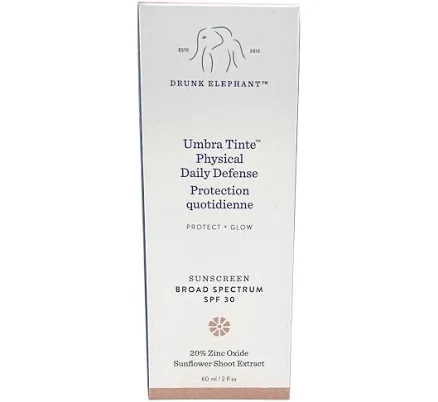
Drunk Elephant Umbra Tinte Physical Daily Defense SPF 30
Lower concern; mineral SPF products rarely need PFAS without public testing.
Mineral physical sunscreens typically avoid PFAS-dependent chemistries. Drunk Elephant provides no PFAS disclosure, and mineral formulas rarely need fluorinated polymers.
We flunk more products than we pass. This one earned its grade. How we grade
Material
mineral sunscreen (zinc oxide, titanium dioxide) with standard cosmetic emollients and thickeners
Brand disclosure
Brand is silent on PFAS
Lab data
No public lab test
You may also be interested in
Top-graded picks in the categories readers replace first, every one scored on the same rubric.

- polypropylene filter housing, carbon/sediment cartridge
- We found no PFAS statement from the brand
- Bacterial growth in spent cartridges
3 hazards checked on this product, all on its full breakdown.

Aquasure
Premier Series 75 GPD Under Sink Reverse Osmosis Water Filtration System
- RO membrane, carbon filters, stainless steel housing
- We found no PFAS statement from the brand
- Bacterial and microbial growth in housing and filters
4 hazards checked on this product, all on its full breakdown.

Avocado
Vegan Mattress
- organic cotton, natural latex, coconut coir, recycled steel coils
- The brand calls it PFAS-free, which we have not verified
- Heavy metals
2 hazards checked on this product, all on its full breakdown.
What Drunk Elephant Umbra Tinte Defense SPF is made of, ingredients and materials
Umbra Tinte uses zinc oxide and titanium dioxide as active UV blockers, both mineral (non-nano) physical sunscreens with decades of safety data. The base includes standard cosmetic emollients (oils, glycerin), silicones for texture, and iron oxides for tint. This formulation avoids oxybenzone, octinoxate, and other chemical UV absorbers linked to bioaccumulation or hormone disruption, using mineral UV reflectants instead.
What’s concerning
Category baseline
The starting point for this type of product, before anything specific to this product is counted.
No PFAS disclosure
No public statement from the brand about PFAS in this product.
1,4-dioxane (synthetic fragrance impurity)
Drunk Elephant does not publicly test for 1,4-dioxane in finished products. If this formulation includes fragrance or fragrance-adjacent ingredients (e.g., PEG emulsifiers), trace 1,4-dioxane is possible but would be below typical cosmetic exposure thresholds if present at all.
Fragrance allergens
The product contains fragrance (likely from plant extracts or synthetic compounds). Individual sensitivity varies; fragrance is a known allergen in sunscreens. This is not specific to Drunk Elephant but applies broadly to scented mineral sunscreens.
What’s reassuring
Base material not linked to PFAS
The main material recorded for this product is not one associated with PFAS.
Heavy metals
Iron oxide pigments used for tint in cosmetics are regulated for purity in the US and EU. No contamination or lead/cadmium issues have been reported in Drunk Elephant products or this class of cosmetic-grade iron oxides.
Source, FDA ↗Talc contamination
This product does not list talc as an ingredient. Mineral sunscreens typically use silica, starch, or mica for texture instead, all of which lack the asbestos-contamination history of talc.
Photocatalytic zinc oxide reactivity
Zinc oxide in sunscreens can generate free radicals under UV exposure, but in-use data shows this does not translate to skin irritation or harm at cosmetic concentrations. Non-nano particles, as listed here, pose no inhalation risk.
How is this PFAS grade calculated?
The brand's record and disclosure
Drunk Elephant markets itself as clean beauty but has faced criticism for vague ingredient transparency and marketing claims that outpace actual third-party testing. The brand does not publicly disclose PFAS testing or avoidance commitments, which is notable given the prevalence of fluorinated compounds in some premium skincare lines. No major product recalls specific to this sunscreen are documented. The brand's ingredient lists are published but detailed safety certifications (e.g., EWG Verified, Leaping Bunny) are absent.
How it compares in its category
Mineral sunscreens like this show lower concern relative to chemical UV absorbers in terms of bioaccumulation and endocrine activity. Most competitors in the premium mineral segment (Blue Lizard, Colorescience, EltaMD) offer similar zinc/titanium dioxide bases with comparable emollient profiles. Umbra Tinte's main differentiator is the iron oxide tint, which requires no additional hazard consideration if iron oxides are cosmetic-grade. Price point is high for what is a conventional mineral formula.
If you buy it
Store below 25 degrees Celsius to preserve emollient stability; mineral sunscreens separate slightly over time but remain effective if shaken. Apply generously (quarter teaspoon for face) to ensure SPF 30 coverage is achieved. Reapply every 2 hours or after water exposure; this product offers no water resistance claim on most versions. Discard if the texture becomes grainy, which signals emollient breakdown, though this is uncommon in sealed products under 18 months old.
What is not known about PFAS in this product?
- Basis
- Model estimate, 72% confidence, not a lab result
- Lab test
- None on record for this exact product
- Brand statement
- Drunk Elephant has made none
Formulations change between production runs, so check the current label. How we grade.
What are the PFAS-free alternatives to Drunk Elephant Umbra Tinte Physical Daily Defense SPF 30?
- Mineral sunscreen, zinc oxide base
- A third party reports verifying it as PFAS-free
- 1,4-dioxane (non-intentional contaminant from surfactants/emulsifiers)
2 hazards checked on this product, all on its full breakdown.
- mineral sunscreen (zinc oxide or titanium dioxide base)
- The brand calls it PFAS-free, which we have not verified
- Synthetic fragrance allergens
More sunscreen grades
How we score, every product runs through the same public 0-100 rubric based on materials, coatings, brand disclosure, lab findings, and recalls. See the full methodology → Spotted a mistake? Report an error.