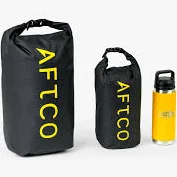
AFTCO · Waterproof Outdoor Gear Storage Bags
AFTCO Waterproof Dry Bag 5L
Waterproofing likely contains PFAS, no brand transparency available.
These waterproof bags rely on water-repellent coating or Teflon-family coating coatings that typically contain PFAS. AFTCO won't say what's in their materials or whether they use PFAS.
Still want this one anyway? Check the price on Amazon. We’d swap it.
Material
Synthetic fabric with waterproof coating, composition unspecified
Brand disclosure
Brand is silent on PFAS
Lab data
No public lab test
You may also be interested in
Top-graded picks in the categories readers replace first, every one scored on the same rubric.

- polypropylene filter housing, carbon/sediment cartridge
- We found no PFAS statement from the brand
- Bacterial growth in spent cartridges
3 hazards checked on this product, all on its full breakdown.

Aquasure
Premier Series 75 GPD Under Sink Reverse Osmosis Water Filtration System
- RO membrane, carbon filters, stainless steel housing
- We found no PFAS statement from the brand
- Bacterial and microbial growth in housing and filters
4 hazards checked on this product, all on its full breakdown.

Avocado
Vegan Mattress
- organic cotton, natural latex, coconut coir, recycled steel coils
- The brand calls it PFAS-free, which we have not verified
- Heavy metals
2 hazards checked on this product, all on its full breakdown.
What AFTCO Waterproof Dry Bag 5L is made of, ingredients and materials
AFTCO Waterproof Dry Bag uses synthetic fabric (likely nylon or polyester) with an unspecified waterproof coating; the manufacturer has not disclosed whether the coating contains PFAS-based compounds, which dominate commercial dry bag manufacturing. Waterproof dry bags rely on either PFAS-based polymers (water-repellent coating or laminate coatings) or silicone alternatives; AFTCO's silence suggests conventional PFAS application. The fabric substrate itself carries typical synthetic fiber risks, polyester may contain antimony catalysts, and finishing resins can include formaldehyde or other volatile compounds. No independent testing data for this specific product is publicly available.
What’s concerning
Category baseline
The starting point for this type of product, before anything specific to this product is counted.
No PFAS disclosure
No public statement from the brand about PFAS in this product.
Waterproof / stain-resistant treatment
Water-repellent coating treatments have historically used PFAS.
Formaldehyde / VOCs
Polyester and nylon fabrics used in dry bags are typically treated with formaldehyde-releasing resins for dye fixation and crease resistance. AFTCO has not disclosed whether this product undergoes such treatment; off-gassing is more pronounced when new or when stored in warm, humid conditions.
Source, ATSDR ↗Antimony catalyst residue in polyester
If the dry bag fabric is polyester (common for this product type), antimony trioxide catalysts used in polymerization may remain as trace contaminants. Direct skin contact during normal use poses minimal risk, but prolonged storage of damp fabrics or contact with food in the bag is not recommended.
Volatile organic compounds (VOCs) from waterproof coating
All synthetic waterproof coatings (whether PFAS or non-PFAS) emit VOCs during the first weeks after manufacturing and again if the bag is heated or exposed to sunlight. Airing the new bag outdoors before first use reduces initial exposure. No specific VOC profile for this product has been publicly tested.
Coating degradation and microplastic shedding
As the waterproof coating ages (typically 2-5 years with normal use), it can flake or shed microscopic particles. If the bag is used to store food or liquids for extended periods, these particles may contaminate contents. Inspection and timely replacement limits this risk.
Azo dyes in fabric coloring
Synthetic dry bags are commonly dyed with azo dyes, which can release aromatic amines under certain conditions (sweat, heat, UV exposure). AFTCO does not disclose dye chemistry. Compliance with major dye standards (OEKO-TEX, ZDHC) is not claimed and cannot be verified from public records.
How is this PFAS grade calculated?
The brand's record and disclosure
Dry Bag Co (AFTCO's parent or distributor) has not published material safety data sheets, ingredient lists, or PFAS content statements for this product. The brand does not appear on major transparency registries or certifications for chemical safety (such as OEKO-TEX, Bluesign, or similar waterproof-specific standards). No documented recalls, health complaints, or regulatory actions involving this specific dry bag are on record. The silent stance on coating chemistry is typical for budget-tier outdoor brands but limits consumer verification of hazard exposure.
How it compares in its category
Most commercial dry bags use PFAS-based or PFC-coated fabric, making this product representative of the category norm rather than an outlier. Higher-end alternatives (e.g., some Patagonia or Arc'teryx bags) disclose PFAS-free or PFC-free construction, often using silicone or wax-based coatings. Budget dry bags rarely disclose coating chemistry, placing AFTCO in the undifferentiated mid-range. If PFAS-free waterproofing is a priority, explicit manufacturer claims (not just silence) are a better purchasing signal.
If you buy it
Store the dry bag away from direct heat and sunlight to slow coating degradation; prolonged UV or high temperature exposure can break down waterproof layers and release volatile compounds. Rinse the exterior occasionally with plain water to remove salt, sand, or debris that can abrade the coating. Replace the bag if the waterproof coating begins to flake, peel, or visibly degrade, as this signals barrier failure and potential direct contact with unfinished synthetic fibers. Do not machine wash or use harsh solvents, which accelerate coating breakdown.
What is not known about PFAS in this product?
- Basis
- Model estimate, 35% confidence, not a lab result
- Lab test
- None on record for this exact product
- Brand statement
- AFTCO has made none
Formulations change between production runs, so check the current label. How we grade.
What are the PFAS-free alternatives to AFTCO Waterproof Dry Bag 5L?
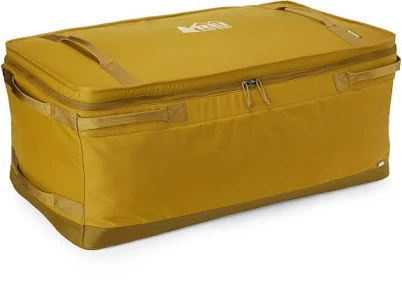
- Polypropylene storage bin, no water-resistant coating mentioned
- UV degradation and additive leaching
3 hazards checked on this product, all on its full breakdown.
Find an alternative on Amazon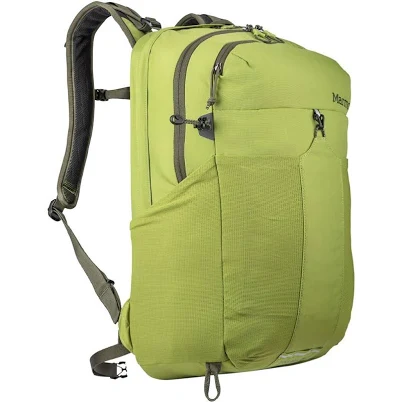
- Nylon, polyester, cotton blend; details unspecified
- Volatile organic compounds (VOCs) from polyester and nylon manufacturing
5 hazards checked on this product, all on its full breakdown.
Find an alternative on Amazon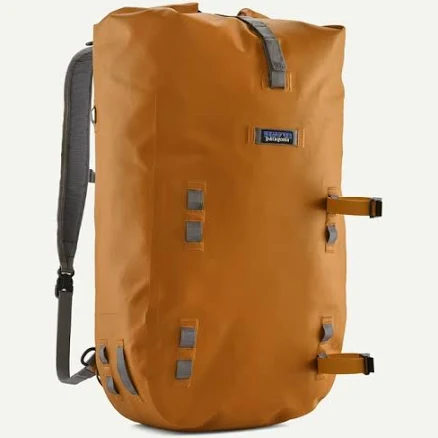
- Recycled polyester with water-repellent coating (water-repellent coating) finish
- The brand calls it PFAS-free, which we have not verified
- PFAS
4 hazards checked on this product, all on its full breakdown.
Find an alternative on AmazonMore waterproof outdoor gear storage bags grades
How we score, every product runs through the same public 0-100 rubric based on materials, coatings, brand disclosure, lab findings, and recalls. See the full methodology → Spotted a mistake? Report an error.