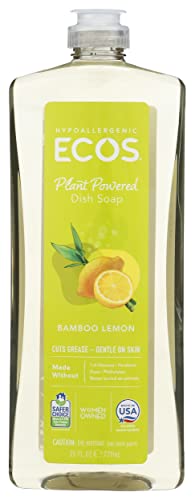
ECOS Dish Soap – Bamboo Lemon
Lower concern liquid soap; no known PFAS-prone formulation or packaging.
ECOS dish soap is a plant-based liquid cleaner with no evident PFAS-related ingredients or treatments. Brand makes no PFAS claim but product category carries minimal inherent risk.
We flunk more products than we pass. This one earned its grade. How we grade
Material
Aqueous surfactant solution in plastic bottle
Brand disclosure
Brand is silent on PFAS
Lab data
No public lab test
You may also be interested in
Top-graded picks in the categories readers replace first, every one scored on the same rubric.

- polypropylene filter housing, carbon/sediment cartridge
- We found no PFAS statement from the brand
- Bacterial growth in spent cartridges
3 hazards checked on this product, all on its full breakdown.

Aquasure
Premier Series 75 GPD Under Sink Reverse Osmosis Water Filtration System
- RO membrane, carbon filters, stainless steel housing
- We found no PFAS statement from the brand
- Bacterial and microbial growth in housing and filters
4 hazards checked on this product, all on its full breakdown.

Avocado
Vegan Mattress
- organic cotton, natural latex, coconut coir, recycled steel coils
- The brand calls it PFAS-free, which we have not verified
- Heavy metals
2 hazards checked on this product, all on its full breakdown.
What ECOS Dish Soap – Bamboo Lemon is made of, ingredients and materials
ECOS Bamboo Lemon is an aqueous surfactant solution, meaning the active cleaning agents are dissolved in water rather than petroleum-derived solvents. Surfactants lower water surface tension to lift grease and food residue. The "bamboo lemon" descriptor refers to fragrance and botanical extract marketing; the actual cleaning power comes from the surfactant base. Liquid dish soaps in aqueous form present lower volatilization and inhalation risk than solvent-based cleaners, and this formulation carries no known added flame retardants, heavy metals, or formaldehyde releasers typical of solid detergent tablets.
What’s concerning
Category baseline
The starting point for this type of product, before anything specific to this product is counted.
No PFAS disclosure
No public statement from the brand about PFAS in this product.
Fragrance allergens and skin sensitization
Lemon fragrance in the product may contain limonene and other volatile terpenes that can oxidize on skin or in high-humidity storage, creating allerenic compounds. No specific allergic reaction incidents are on record for this ECOS formula, but fragrance-sensitive individuals should spot-test on a small area or choose unscented alternatives.
Respiratory irritation from inhalation of spray or vapors
Liquid dish soap vapors are minimal under normal use, but surfactants aerosolized during vigorous washing or spray dispenser use can irritate respiratory tracts in sensitive individuals. Lemon fragrance volatiles may also contribute. Use in well-ventilated spaces and avoid direct inhalation of spray mist.
What’s reassuring
Base material not linked to PFAS
The main material recorded for this product is not one associated with PFAS.
1,4-dioxane contamination
Aqueous surfactant solutions can theoretically harbor trace 1,4-dioxane as a byproduct of ethoxylated surfactant manufacturing, but ECOS's EPA Safer Choice certification includes testing for residual contaminants. No 1,4-dioxane has been reported in this product or brand line.
BPA & bisphenols
The bottle material is not specified in available context as virgin, recycled, or treated polypropylene (PP) or polyethylene terephthalate (PET). Modern food-contact dish soap bottles are typically BPA/BPS-free by regulatory compliance in the US and EU, but no independent leachate testing for this specific bottle is on record. Contact with aqueous solutions poses lower leaching risk than oils or a
Source, FDA ↗Formaldehyde / VOCs
ECOS does not list formaldehyde releasers (DMDM hydantoin, imidazolidinyl urea) in publicly disclosed ingredient information. Aqueous surfactant solutions require preservation against bacterial growth, but ECOS relies on alternative systems (phenoxyethanol, sodium benzoate) that are disclosed and do not release formaldehyde.
Source, ATSDR ↗How is this PFAS grade calculated?
The brand's record and disclosure
ECOS (Earth Friendly Products) maintains public ingredient disclosure and holds EPA Safer Choice certification, indicating third-party vetting of formula safety. The brand does not explicitly publish PFAS testing data, but no recalls or safety warnings linked to this product line are on record. The aqueous surfactant base itself is not a known PFAS-prone formulation pathway. No substantiated controversies regarding toxic additives, misleading green claims, or manufacturing incidents have been established in public safety databases.
How it compares in its category
Most liquid dish soaps are aqueous surfactant solutions; ECOS occupies the transparent-labeling segment alongside similar brands (Seventh Generation, Mrs. Meyer's). Unlike powder detergents or tablets, liquid soaps avoid microplastic concerns from undissolved residue. ECOS's EPA Safer Choice status provides a formal accountability layer absent from many store-brand equivalents, though all major liquid dish soaps share the same basic safety profile for dermal and ingestion exposure (low if used as directed).
If you buy it
Store the bottle in a cool, dry location away from direct sunlight to preserve fragrance integrity and surfactant stability; aqueous solutions can degrade slowly under heat or UV. Use as directed on the label; do not ingest or mix with other cleaning products. The plastic bottle itself will degrade over years of sunlight exposure; transfer to an opaque dispenser or store indoors to extend shelf life. No special maintenance required; simply close the cap fully after each use to prevent evaporation and bacterial proliferation in the remaining solution.
What is not known about PFAS in this product?
- Basis
- Model estimate, 72% confidence, not a lab result
- Lab test
- None on record for this exact product
- Brand statement
- Ecos has made none
Formulations change between production runs, so check the current label. How we grade.
What are the PFAS-free alternatives to ECOS Dish Soap – Bamboo Lemon?
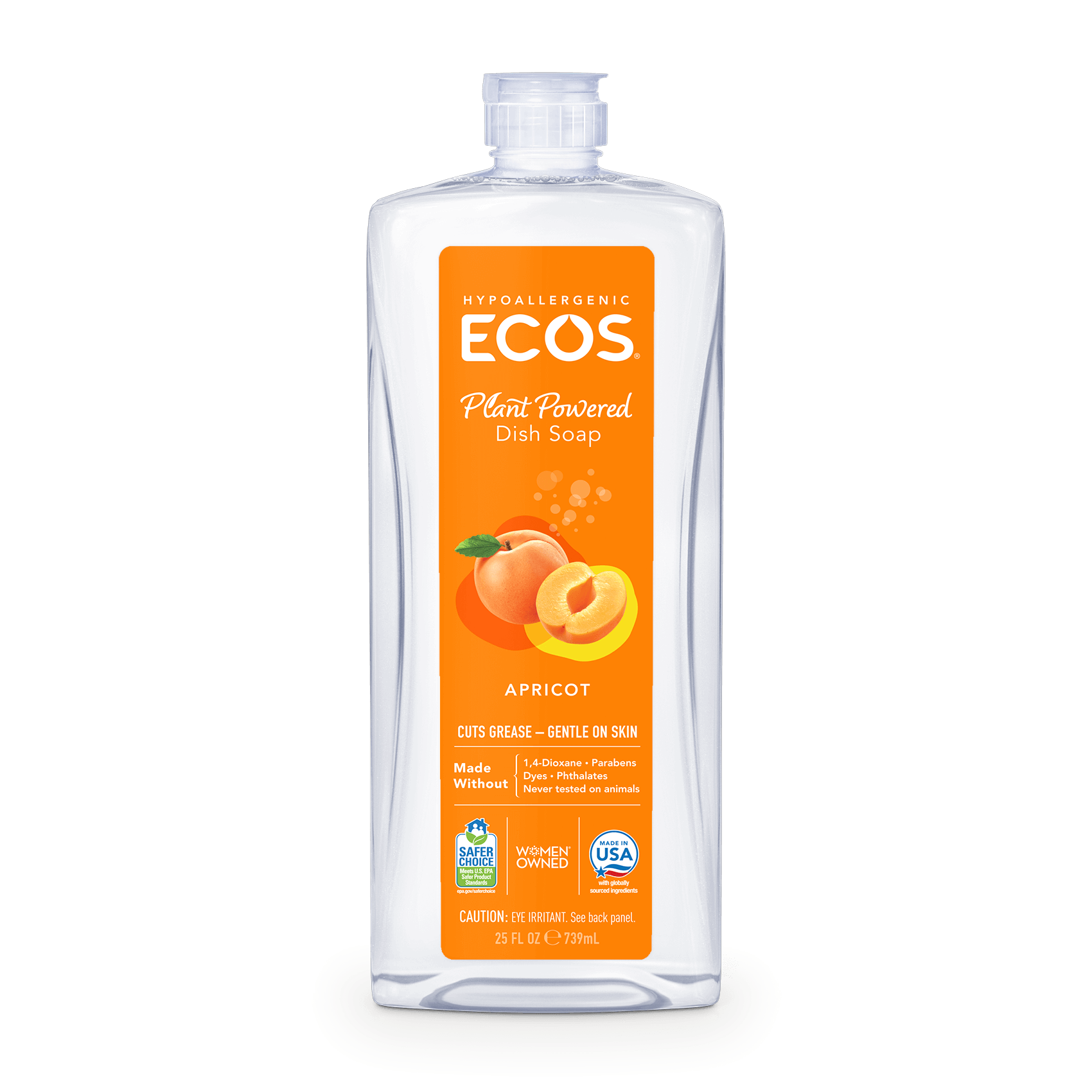
- plant-derived surfactants, water, botanical extracts
- A third party reports verifying it as PFAS-free
- Fragrance allergens (botanical origin)
2 hazards checked on this product, all on its full breakdown.
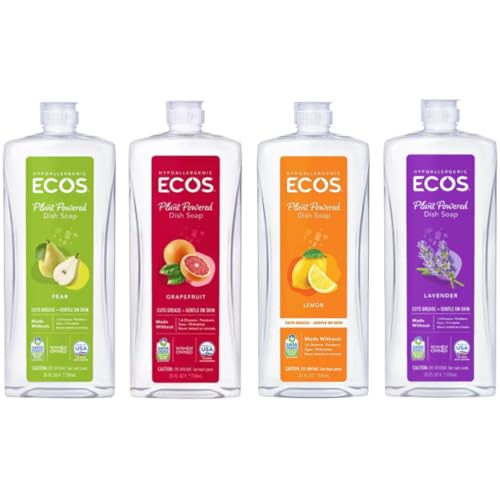
- plant-based surfactants, water, plant derivatives
- A third party reports verifying it as PFAS-free
- Aquatic toxicity from surfactants
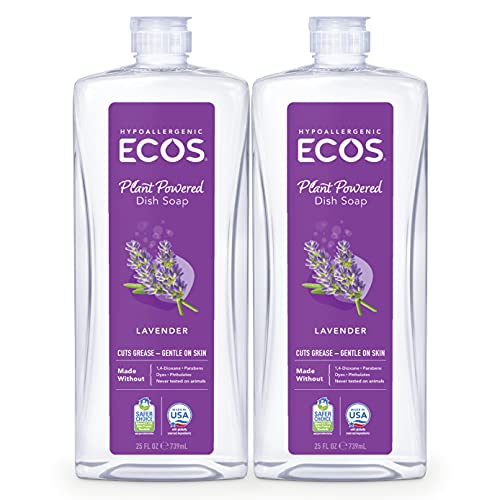
- Plant-based surfactants, water, essential oil
- The brand calls it PFAS-free, which we have not verified
- Fragrance allergens (essential oil)
2 hazards checked on this product, all on its full breakdown.
More dish soap grades
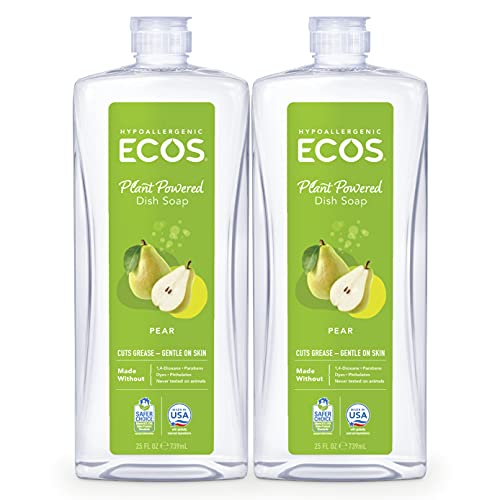 100ECOS Dish Soap – Pear
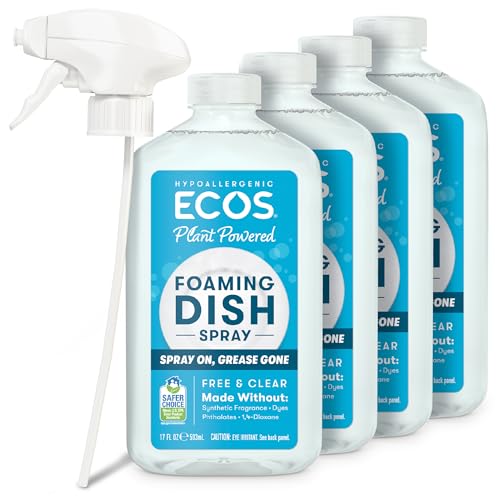 100ECOS Foaming Dish Soap – Free & Clear
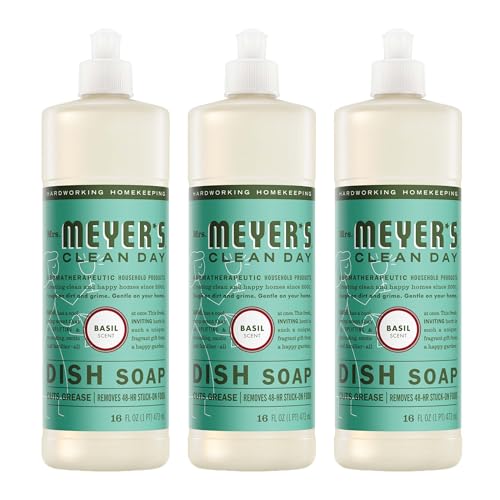 100Mrs. Meyer's Clean Day Basil Dish Soap
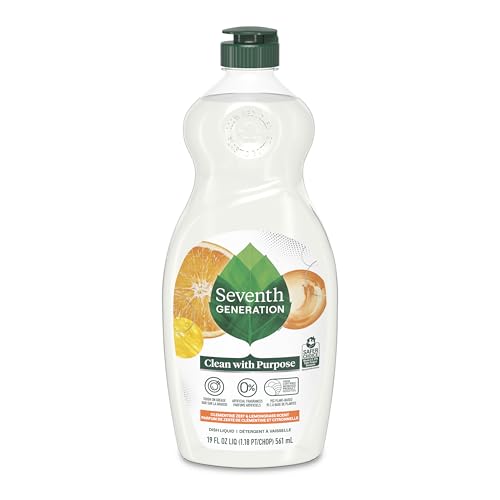 100Seventh Generation Dish Soap - Clementine Zest & Lemongrass
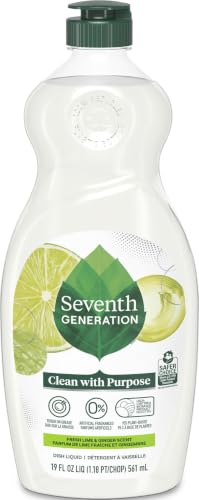 100Seventh Generation Dish Soap - Fresh Lime & Ginger
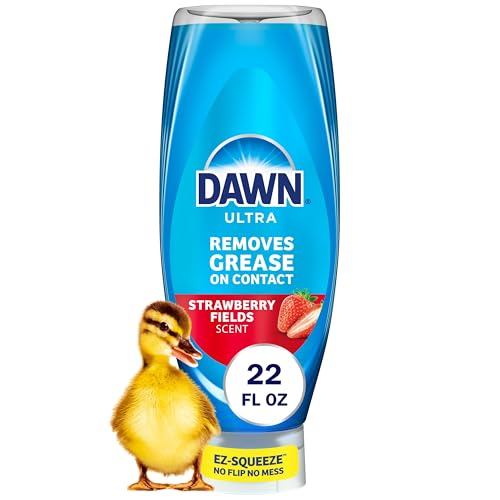 85Dawn Ultra Strawberry Fields
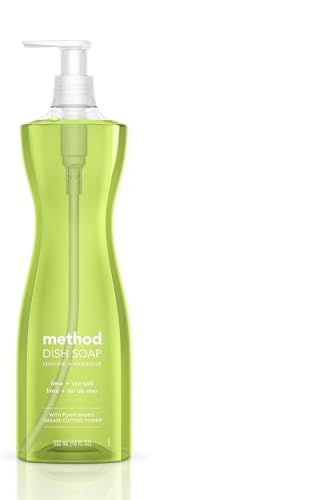 85Method Gel Dish Soap, Lime + Sea Salt
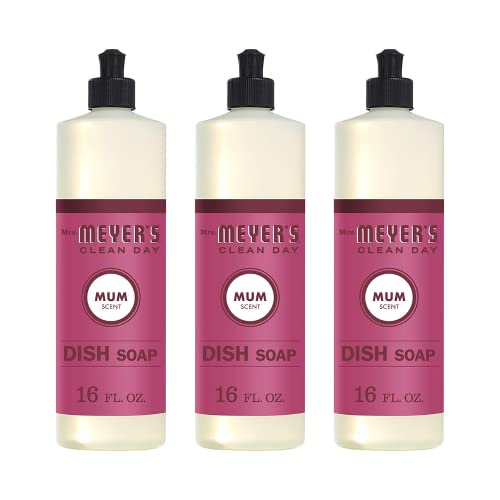 85Mrs. Meyer's Clean Day Mum Dish Soap
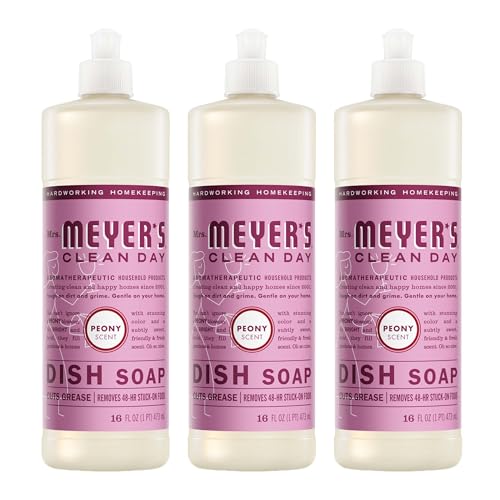 85Mrs. Meyer's Clean Day Peony Dish Soap
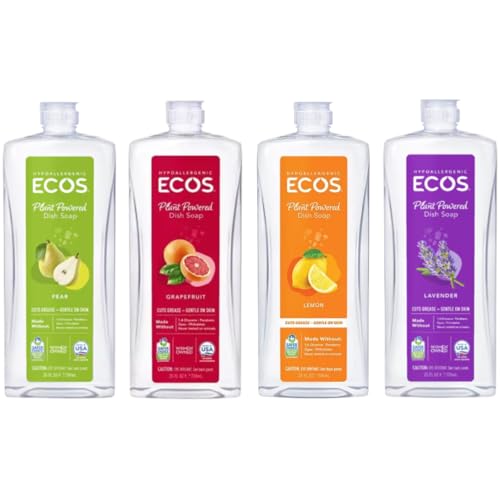 85ECOS Dish Soap – GrapefruitCompare vs Ecos →All dish soap →
How we score, every product runs through the same public 0-100 rubric based on materials, coatings, brand disclosure, lab findings, and recalls. See the full methodology → Spotted a mistake? Report an error.