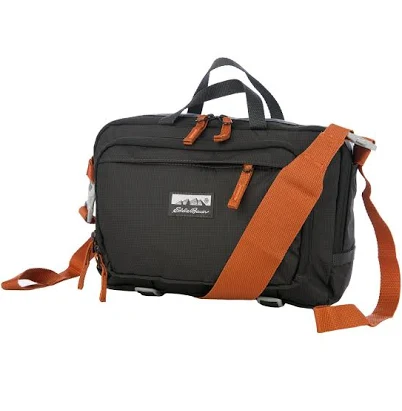
Eddie Bauer · Waterproof Outdoor Gear Storage Bags
Eddie Bauer 7L Trail Bag
Outdoor bag likely treated with water-repellent coating, brand silent on PFAS.
Trail bags typically use durable nylon or polyester with water-repellent coating finishes. Eddie Bauer won't publicly disclose PFAS use or absence in this product.
Still want this one anyway? Check the price on Amazon. We’d swap it.
Material
nylon/polyester with water-repellent coating water-repellent treatment
Lab data
No public lab test
You may also be interested in
Top-graded picks in the categories readers replace first, every one scored on the same rubric.

- polypropylene filter housing, carbon/sediment cartridge
- We found no PFAS statement from the brand
- Bacterial growth in spent cartridges
3 hazards checked on this product, all on its full breakdown.

Aquasure
Premier Series 75 GPD Under Sink Reverse Osmosis Water Filtration System
- RO membrane, carbon filters, stainless steel housing
- We found no PFAS statement from the brand
- Bacterial and microbial growth in housing and filters
4 hazards checked on this product, all on its full breakdown.

Avocado
Vegan Mattress
- organic cotton, natural latex, coconut coir, recycled steel coils
- The brand calls it PFAS-free, which we have not verified
- Heavy metals
2 hazards checked on this product, all on its full breakdown.
What Eddie Bauer 7L Trail Bag is made of, ingredients and materials
The Eddie Bauer 7L Trail Bag is constructed from nylon and polyester with a water-repellent coating (water-repellent coating) finish. water-repellent coating coatings on outdoor textiles are typically fluorochemical-based, which introduces PFAS exposure risk during manufacture and potentially during use if the coating degrades or sheds. Nylon and polyester themselves are chemically stable polymers; the hazard concentrates in the treatment layer, not the base fabric.
What’s concerning
Category baseline
The starting point for this type of product, before anything specific to this product is counted.
No PFAS disclosure
No public statement from the brand about PFAS in this product.
Waterproof / stain-resistant treatment
Water-repellent coating treatments have historically used PFAS.
PFAS
Nylon/polyester bags with water-repellent coating treatment are almost certainly fluorochemical-treated. No Eddie Bauer disclosure confirms or denies PFAS-free alternatives for this model; water-repellent coating shedding or degradation is the primary user-phase exposure route.
Source, ATSDR ↗Microplastic shedding during use or washing
Synthetic fiber bags shed microplastics during abrasion and laundering. Washing this bag in a machine or vigorous handling will release small polyester/nylon particles; the magnitude depends on coating durability and wash frequency.
What’s reassuring
Azo dyes in synthetic textiles
No azo dye restrictions or contamination issues have been reported for Eddie Bauer outdoor gear. Standard nylon/polyester bags typically meet EU and US dye safety standards, though independent testing is rare.
Formaldehyde / VOCs
Nylon and polyester do not typically require formaldehyde-based finishes for water repellency; formaldehyde risk is minimal for water-repellent coating-treated bags but cannot be ruled out without brand transparency.
Source, ATSDR ↗Heavy metals
No contamination reports exist for Eddie Bauer outdoor bags. Metal zippers and buckles are standard; risk of leaching is negligible unless the bag is exposed to extreme heat or prolonged water immersion.
Source, FDA ↗How is this PFAS grade calculated?
The brand's record and disclosure
Eddie Bauer has not publicly disclosed PFAS use, testing results, or commitment to phasing out fluorinated water-repellent coating treatments on this product line. The brand maintains general sustainability messaging but does not address synthetic chemical transparency or third-party certification for outdoor gear. No major recalls or documented chemical safety controversies are on record for this specific model.
How it compares in its category
Outdoor bags at this price point and durability tier almost universally use fluorinated water-repellent coating; most competitors (e.g., The North Face, Osprey) also remain silent on PFAS or use legacy formulations. Fewer options exist with documented non-fluorinated water repellency; those that do typically cost significantly more or sacrifice abrasion resistance. Eddie Bauer's positioning here is mainstream, not notably better or worse than category peers in disclosed safety.
If you buy it
Inspect the bag regularly for visible wear, peeling, or delamination of the water-repellent coating; replace or retire if the water-repellent layer deteriorates significantly. Avoid washing in hot water or with surfactants that aggressively strip water-repellent coating; use cool water and mild soap if cleaning is necessary. Store in a cool, dry place away from direct heat or UV to slow coating breakdown. If PFAS exposure is a personal priority, contact Eddie Bauer to request fluorine-free alternatives or commit to transparency.
What is not known about PFAS in this product?
- Basis
- Model estimate, 45% confidence, not a lab result
- Lab test
- None on record for this exact product
- Brand statement
- Eddie Bauer has made a specific claim
Formulations change between production runs, so check the current label. How we grade.
What are the PFAS-free alternatives to Eddie Bauer 7L Trail Bag?
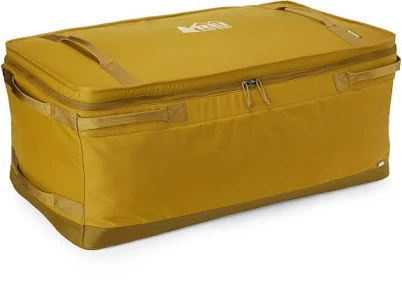
- Polypropylene storage bin, no water-resistant coating mentioned
- UV degradation and additive leaching
3 hazards checked on this product, all on its full breakdown.
Find an alternative on Amazon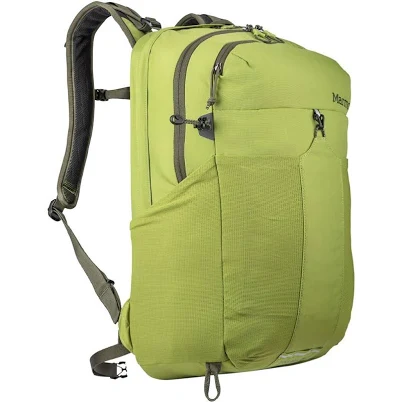
- Nylon, polyester, cotton blend; details unspecified
- Volatile organic compounds (VOCs) from polyester and nylon manufacturing
5 hazards checked on this product, all on its full breakdown.
Find an alternative on Amazon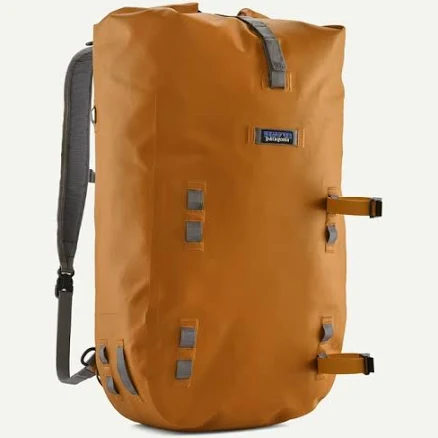
- Recycled polyester with water-repellent coating (water-repellent coating) finish
- The brand calls it PFAS-free, which we have not verified
- PFAS
4 hazards checked on this product, all on its full breakdown.
Find an alternative on AmazonMore waterproof outdoor gear storage bags grades
How we score, every product runs through the same public 0-100 rubric based on materials, coatings, brand disclosure, lab findings, and recalls. See the full methodology → Spotted a mistake? Report an error.