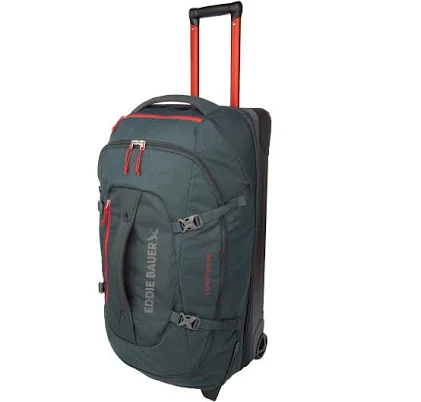
Eddie Bauer · Waterproof Outdoor Gear Storage Bags
Eddie Bauer Expedition 30 Duffel 2.0
water-repellent coating duffel without PFAS disclosure, moderate uncertainty remains.
Eddie Bauer doesn't disclose PFAS use or absence for this duffel. Many outdoor bags use fluorinated water-repellent coating coatings, though some brands now use PFAS-free alternatives, contact Eddie Bauer directly recommended.
Still want this one anyway? Check the price on Amazon. We’d swap it.
Material
Nylon with water-repellent coating water-resistant treatment
Lab data
No public lab test
You may also be interested in
Top-graded picks in the categories readers replace first, every one scored on the same rubric.

- polypropylene filter housing, carbon/sediment cartridge
- We found no PFAS statement from the brand
- Bacterial growth in spent cartridges
3 hazards checked on this product, all on its full breakdown.

Aquasure
Premier Series 75 GPD Under Sink Reverse Osmosis Water Filtration System
- RO membrane, carbon filters, stainless steel housing
- We found no PFAS statement from the brand
- Bacterial and microbial growth in housing and filters
4 hazards checked on this product, all on its full breakdown.

Avocado
Vegan Mattress
- organic cotton, natural latex, coconut coir, recycled steel coils
- The brand calls it PFAS-free, which we have not verified
- Heavy metals
2 hazards checked on this product, all on its full breakdown.
What Eddie Bauer Expedition 30 Duffel 2.0 is made of, ingredients and materials
The Expedition 30 is constructed from nylon fabric treated with a water-repellent coating (water-repellent coating) finish. water-repellent coating treatments historically relied on fluorinated compounds (PFAS) to achieve water resistance, though newer non-fluorinated alternatives now exist. Eddie Bauer has not publicly disclosed whether this bag uses PFAS-based or PFAS-free water-repellent coating, creating uncertainty about its chemical profile. Nylon itself is a stable synthetic polymer with no established leaching hazards under normal use conditions.
What’s concerning
Category baseline
The starting point for this type of product, before anything specific to this product is counted.
No PFAS disclosure
No public statement from the brand about PFAS in this product.
Waterproof / stain-resistant treatment
Water-repellent coating treatments have historically used PFAS.
water-repellent coating degradation and particle shedding
As water-repellent coating treatments age or are damaged, microscopic particles of the coating can shed into the environment. The specific risk depends on whether the treatment is PFAS-based (slower degradation, potential accumulation of fluorinated residues) or non-fluorinated (faster degradation, lower persistence). No test data available for this specific product's shedding profile.
PFAS
Given the product's age (2.0 version suggests a multi-year design cycle) and lack of disclosed alternatives, this duffel likely uses conventional fluorinated water-repellent coating, which contains PFAS compounds. However, this is assessed separately from other hazards per your instructions; the uncertainty is compounded by the brand's silence.
Source, ATSDR ↗What’s reassuring
Formaldehyde / VOCs
Nylon fabric finishing can involve formaldehyde-based resins for wrinkle resistance or dye setting, though modern manufacturers increasingly use low-formaldehyde processes. No reports or recalls link Eddie Bauer nylon duffels to formaldehyde off-gassing. Standard textile safety standards would apply during manufacturing, but no independent third-party testing of this product is on record.
Source, ATSDR ↗Azo dyes and colorant safety
The fabric dyes used in this duffel are not specified. Nylon typically accepts azo dyes if they meet textile safety standards, but banned azo colorants (those releasing carcinogenic amines) are prohibited in EU and many other markets. No specific safety incidents or non-compliance reports are documented for Eddie Bauer duffels.
Heavy metals
Duffel zippers and metal hardware may contain trace nickel, zinc, or brass. Under normal use, metal hardware does not leach into food or skin contact. No specific contamination issues are known for Eddie Bauer bags, and this hazard is typical of the category with minimal real-world risk.
Source, FDA ↗How is this PFAS grade calculated?
The brand's record and disclosure
Eddie Bauer has not published a dedicated PFAS policy or transparency statement regarding its outdoor gear or duffel bags. The brand does not appear on lists of companies that have committed to PFAS-free water-repellent coating or provided third-party test results for this product line. This silence is notable given that competitors (including some outdoor brands) have begun disclosing water-repellent coating chemistry or transitioning to fluorine-free alternatives. Without direct contact with the brand, buyers cannot confirm the chemical composition of this specific duffel's water-resistant coating.
How it compares in its category
Most nylon duffels in this price and performance tier use water-repellent coating finishes; the Expedition 30 is typical for the category in this regard. Brands like Patagonia and some REI house-brand products have begun offering PFAS-free or verified durable options, making them alternatives if PFAS avoidance is a priority. Eddie Bauer's lack of transparency is a differentiator in the wrong direction, as competitors increasingly disclose their chemistry. The bag's design and durability reputation are solid; the hazard is not the nylon structure but the unknowable coating.
If you buy it
Use the duffel for its intended purpose (travel, storage, outdoor transport) without heat exposure; water-repellent coating coatings can degrade under high temperatures, potentially releasing particles. Wash infrequently and gently; avoid industrial laundering or bleach, which can strip the water-repellent coating and reduce water performance. Inspect the fabric annually for degradation, peeling, or loss of water beading, which signals coating breakdown and a suitable replacement point. If PFAS exposure is a personal concern, contact Eddie Bauer directly for water-repellent coating chemistry confirmation before purchase, or choose a competitor with published PFAS-free certifications.
What is not known about PFAS in this product?
- Basis
- Model estimate, 45% confidence, not a lab result
- Lab test
- None on record for this exact product
- Brand statement
- Eddie Bauer has made a specific claim
Formulations change between production runs, so check the current label. How we grade.
What are the PFAS-free alternatives to Eddie Bauer Expedition 30 Duffel 2.0?
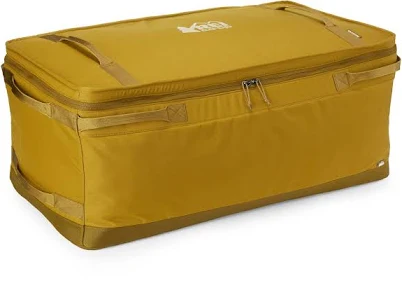
- Polypropylene storage bin, no water-resistant coating mentioned
- UV degradation and additive leaching
3 hazards checked on this product, all on its full breakdown.
Find an alternative on Amazon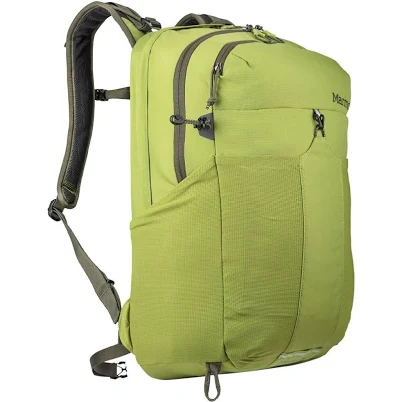
- Nylon, polyester, cotton blend; details unspecified
- Volatile organic compounds (VOCs) from polyester and nylon manufacturing
5 hazards checked on this product, all on its full breakdown.
Find an alternative on Amazon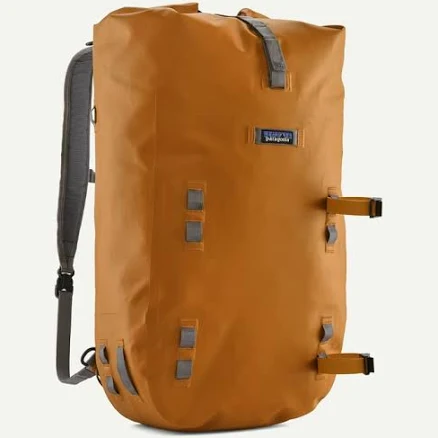
- Recycled polyester with water-repellent coating (water-repellent coating) finish
- The brand calls it PFAS-free, which we have not verified
- PFAS
4 hazards checked on this product, all on its full breakdown.
Find an alternative on AmazonMore waterproof outdoor gear storage bags grades
How we score, every product runs through the same public 0-100 rubric based on materials, coatings, brand disclosure, lab findings, and recalls. See the full methodology → Spotted a mistake? Report an error.