Eddie Bauer · Waterproof Outdoor Gear Storage Bags
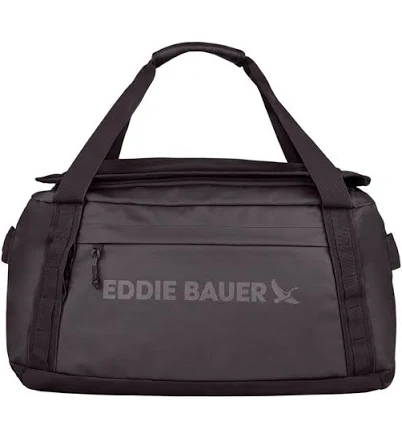
Eddie Bauer Maximus Duffel Bag
Duffel bags typically use water-repellent coating coatings, Eddie Bauer silent on PFAS.
Eddie Bauer won't disclose PFAS status for this duffel. Water-resistant nylon bags often contain fluorinated coatings, though some brands now offer PFAS-free options, no third-party certification visible here.
Still want this one anyway? Check the price on Amazon. We’d swap it.
Material
Nylon with likely water-repellent coating water-repellent coating
Lab data
No public lab test
You may also be interested in
Top-graded picks in the categories readers replace first, every one scored on the same rubric.

- polypropylene filter housing, carbon/sediment cartridge
- We found no PFAS statement from the brand
- Bacterial growth in spent cartridges
3 hazards checked on this product, all on its full breakdown.

Aquasure
Premier Series 75 GPD Under Sink Reverse Osmosis Water Filtration System
- RO membrane, carbon filters, stainless steel housing
- We found no PFAS statement from the brand
- Bacterial and microbial growth in housing and filters
4 hazards checked on this product, all on its full breakdown.

Avocado
Vegan Mattress
- organic cotton, natural latex, coconut coir, recycled steel coils
- The brand calls it PFAS-free, which we have not verified
- Heavy metals
2 hazards checked on this product, all on its full breakdown.
What Eddie Bauer Maximus Duffel Bag is made of, ingredients and materials
The Maximus Duffel is constructed from nylon fabric, a synthetic polymer that is itself non-toxic but is almost certainly coated with a water-repellent coating (water-repellent coating) finish to provide water resistance. water-repellent coating coatings are the primary concern for this product because they historically rely on fluorinated compounds (PFAS) to achieve water shedding. Eddie Bauer has not publicly disclosed the chemistry of their water-repellent coating treatment on this bag, leaving the specific fluorine status unknown. Nylon itself does not leach significant chemicals under normal use, but any coating degradation over years of heavy use could theoretically allow trapped substances to migrate, though this is a low-probability event with textiles.
What’s concerning
Category baseline
The starting point for this type of product, before anything specific to this product is counted.
No PFAS disclosure
No public statement from the brand about PFAS in this product.
Waterproof / stain-resistant treatment
Water-repellent coating treatments have historically used PFAS.
water-repellent coating chemistry (fluorine-based or alternative, undisclosed)
Eddie Bauer does not specify whether water-repellent coating uses PFAS or fluorine-free alternatives. Nylon duffel bags typically receive fluorinated water-repellent coating at manufacture; risk is low during normal handling but increases with coating wear or direct food/water contact over years.
Microplastic shedding from synthetic nylon
All nylon textiles shed microfibers, particularly during washing. This bag will release nylon particles into water during cleaning; the hazard is environmental (ocean/wastewater) rather than direct user harm, but conscious users may wash less frequently to reduce impact.
What’s reassuring
Coating degradation and secondary leaching
No reported incidents of nylon duffel bags leaching coating chemicals into stored items. Risk is theoretical and requires prolonged contact with moisture or food acids; normal travel or dry goods storage poses minimal exposure.
Heavy metals
Eddie Bauer does not disclose dye chemistry. Nylon textiles can theoretically use azo dyes or cadmium-based colorants, but no specific hazard reports exist for this brand. Risk is highest if bag contacts skin or food directly for extended periods.
Source, FDA ↗Formaldehyde / VOCs
Duffel bags are not typically flame-treated and formaldehyde finishes are uncommon on nylon textiles. No evidence suggests Eddie Bauer applies these treatments to this product.
Source, ATSDR ↗How is this PFAS grade calculated?
The brand's record and disclosure
Eddie Bauer does not currently publish detailed chemical disclosures or PFAS commitments for their gear line. The brand has not sought third-party certifications such as Bluesign, OEKO-TEX, or fluorine-free water-repellent coating verification that would otherwise signal transparency. This silence is notable because competitors in the outdoor/travel luggage space (e.g., Patagonia, REI Co-op) increasingly disclose or eliminate PFAS in water-repellent coating coatings. Eddie Bauer's approach suggests either legacy formulations or indifference to consumer pressure, rather than documented harm.
How it compares in its category
Duffel bags universally use water-repellent coatings to protect contents, making this product typical, not exceptional, in hazard profile. Most mass-market brands (including Eddie Bauer, Samsonite, and travel retailers) have not publicly committed to PFAS-free water-repellent coating, whereas several premium and outdoor-focused brands now advertise fluorine-free alternatives. This bag sits in the middle tier, better value than high-end options but without the chemical transparency of certified sustainable luggage. If PFAS avoidance is a priority, competitors with explicit fluorine-free labeling exist at similar price points.
If you buy it
Use the bag for its intended purpose (travel gear, clothing storage, dry goods) without concern for nylon toxicity itself. Avoid storing fresh food directly inside or using it for drinking water transport over extended periods, as any water-repellent coating residue could theoretically accumulate in prolonged contact with consumables. Wash the bag gently with cool water and mild soap when soiled; do not dry-clean, as solvent exposure may accelerate coating breakdown. Replace the bag when seams fail or water begins to seep through (typically 5-10 years with moderate use), at which point coating degradation is inevitable regardless of chemistry.
What is not known about PFAS in this product?
- Basis
- Model estimate, 45% confidence, not a lab result
- Lab test
- None on record for this exact product
- Brand statement
- Eddie Bauer has made a specific claim
Formulations change between production runs, so check the current label. How we grade.
What are the PFAS-free alternatives to Eddie Bauer Maximus Duffel Bag?
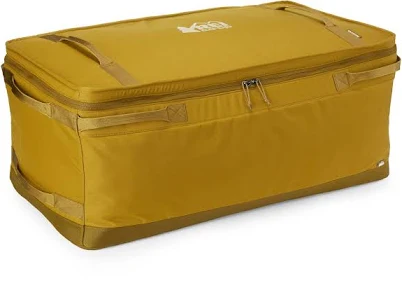
- Polypropylene storage bin, no water-resistant coating mentioned
- UV degradation and additive leaching
3 hazards checked on this product, all on its full breakdown.
Find an alternative on Amazon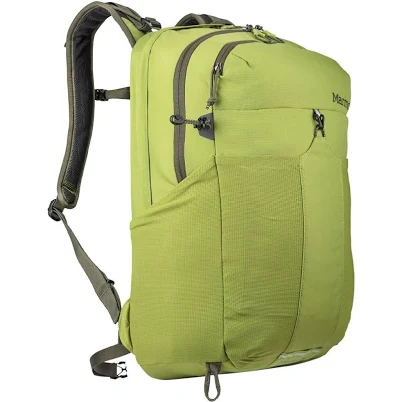
- Nylon, polyester, cotton blend; details unspecified
- Volatile organic compounds (VOCs) from polyester and nylon manufacturing
5 hazards checked on this product, all on its full breakdown.
Find an alternative on Amazon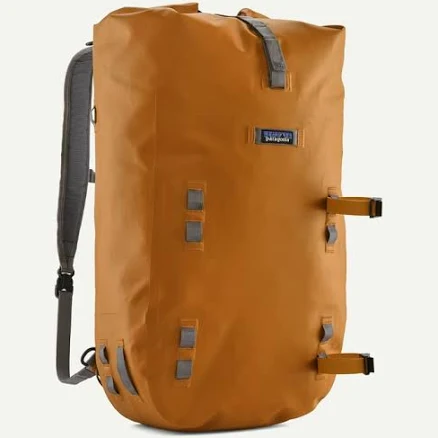
- Recycled polyester with water-repellent coating (water-repellent coating) finish
- The brand calls it PFAS-free, which we have not verified
- PFAS
4 hazards checked on this product, all on its full breakdown.
Find an alternative on AmazonMore waterproof outdoor gear storage bags grades
How we score, every product runs through the same public 0-100 rubric based on materials, coatings, brand disclosure, lab findings, and recalls. See the full methodology → Spotted a mistake? Report an error.