ELF · Lip Balm & Long-Wear Lipstick
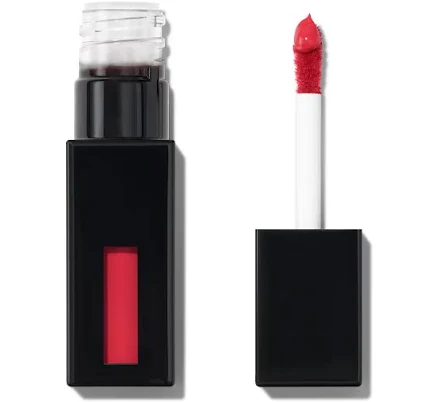
e.l.f. Glossy Lip Stain
Lip stain with no known PFAS risks; silent on PFAS but typical cosmetic.
ELF lip stains use standard cosmetic colorants and binders without confirmed waterproofing coatings or Teflon-family coating. No public PFAS disclosures or third-party testing; lower concern based on product type alone.
We flunk more products than we pass. This one earned its grade. How we grade
Material
pigments, oils, waxes, film-formers in liquid/gel base
Lab data
No public lab test
You may also be interested in
Top-graded picks in the categories readers replace first, every one scored on the same rubric.

- polypropylene filter housing, carbon/sediment cartridge
- We found no PFAS statement from the brand
- Bacterial growth in spent cartridges
3 hazards checked on this product, all on its full breakdown.

Aquasure
Premier Series 75 GPD Under Sink Reverse Osmosis Water Filtration System
- RO membrane, carbon filters, stainless steel housing
- We found no PFAS statement from the brand
- Bacterial and microbial growth in housing and filters
4 hazards checked on this product, all on its full breakdown.

Avocado
Vegan Mattress
- organic cotton, natural latex, coconut coir, recycled steel coils
- The brand calls it PFAS-free, which we have not verified
- Heavy metals
2 hazards checked on this product, all on its full breakdown.
What e.l.f. Glossy Lip Stain is made of, ingredients and materials
ELF Glossy Lip Stain is a pigmented liquid/gel formula combining synthetic or iron oxide colorants, oils (likely mineral or plant-derived), waxes for texture, and film-forming polymers to ensure long wear. The glossy finish typically relies on light-scattering silicates or mica rather than hazardous UV filters. Because lip products are used on permeable mucous membrane tissue and ingested in small amounts during eating or drinking, ingredient safety is relevant, though exposure volumes are minimal.
What’s concerning
Category baseline
The starting point for this type of product, before anything specific to this product is counted.
No PFAS disclosure
No public statement from the brand about PFAS in this product.
Fragrance allergens and undisclosed fragrance components
ELF lip stains list 'fragrance' or 'flavor' as an ingredient without specifying fragrance components. Individuals with fragrance sensitivities or multiple chemical sensitivity may experience localized irritation; no established adverse event reports for this specific product.
Formaldehyde / VOCs
Lip stains require preservatives to prevent microbial growth; ELF does not publicly disclose preservative type. Formaldehyde releasers (e.g., diazolidinyl urea, imidazolidinyl urea) are permitted in cosmetics but may trigger contact dermatitis in sensitive individuals. No reported incidents linked to this product.
Source, ATSDR ↗What’s reassuring
Base material not linked to PFAS
The main material recorded for this product is not one associated with PFAS.
Heavy metals
Iron oxide and titanium dioxide pigments used in mass-market lip stains are FDA-approved colorants with established safety limits. No recalls or testing data for ELF Glossy Lip Stain indicate heavy metal contamination; however, the brand does not publicly disclose third-party metal testing.
Source, FDA ↗Talc or talc-adjacent mineral contamination
ELF Glossy Lip Stain formulas do not list talc in published ingredient disclosures; however, many lip products use talc-free mineral powders such as mica or silica, which are less restricted.
1,4-dioxane as manufacturing byproduct in film-formers
Certain polymeric film-formers can harbor trace 1,4-dioxane as a non-intentional byproduct; ELF does not publish purity data. The brand is not known to have failed FDA 1,4-dioxane screening, and lip stain exposure is transient and minimal.
How is this PFAS grade calculated?
The brand's record and disclosure
ELF (Eyes Lips Face) is a mass-market cosmetics brand owned by Tacha Group and has not faced major regulatory recalls or documented safety controversies related to this product line. The brand does not explicitly publicize fragrance allergen disclosure or heavy metal testing on its website, which is typical for budget cosmetics but represents a transparency gap. No formal certifications (cruelty-free claims, dermatologist testing, or hypoallergenic labeling) are prominently claimed for this specific formula.
How it compares in its category
Lip stains occupy a lower-risk tier within cosmetics because they are used in small quantities, briefly contact skin, and are largely not absorbed systemically. ELF's formula and price point are typical of drugstore alternatives; premium brands (MAC, Charlotte Tilbury) invest more in stability testing and allergen documentation, while indie brands vary widely. No peer testing data suggests ELF lip stains contain higher heavy metal or contamination rates than competitors.
If you buy it
Store at room temperature away from heat and direct sunlight to prevent separation or oxidation of oils. Do not use if the formula separates persistently, smells rancid, or the applicator shows mold; replace every 12-18 months or if color changes. Patch test on a small lip area first if you have a history of dye sensitivity or fragrance reactions. Avoid contact with eyes; if irritation occurs, discontinue and rinse thoroughly.
What is not known about PFAS in this product?
- Basis
- Model estimate, 72% confidence, not a lab result
- Lab test
- None on record for this exact product
- Brand statement
- ELF has made a specific claim
Formulations change between production runs, so check the current label. How we grade.
More lip balm & long-wear lipstick grades
How we score, every product runs through the same public 0-100 rubric based on materials, coatings, brand disclosure, lab findings, and recalls. See the full methodology → Spotted a mistake? Report an error.