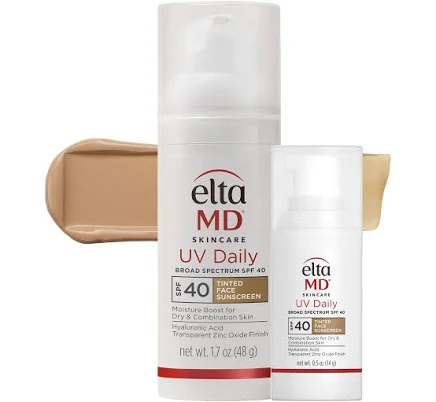
EltaMD Tinted UV Daily Broad Spectrum SPF 40
Lower concern; mineral base rarely requires fluorinated additives, though EltaMD discloses no formulation details.
Zinc oxide mineral sunscreen with tinting pigments typically doesn't need water-repellent or nonstick treatments where PFAS hide. The brand doesn't publicly commit to PFAS-free formulation, and no recalls are documented.
We flunk more products than we pass. This one earned its grade. How we grade
Material
Mineral sunscreen actives (zinc oxide) in liquid suspension with tinting pigments
Brand disclosure
Brand is silent on PFAS
Lab data
No public lab test
You may also be interested in
Top-graded picks in the categories readers replace first, every one scored on the same rubric.

- polypropylene filter housing, carbon/sediment cartridge
- We found no PFAS statement from the brand
- Bacterial growth in spent cartridges
3 hazards checked on this product, all on its full breakdown.

Aquasure
Premier Series 75 GPD Under Sink Reverse Osmosis Water Filtration System
- RO membrane, carbon filters, stainless steel housing
- We found no PFAS statement from the brand
- Bacterial and microbial growth in housing and filters
4 hazards checked on this product, all on its full breakdown.

Avocado
Vegan Mattress
- organic cotton, natural latex, coconut coir, recycled steel coils
- The brand calls it PFAS-free, which we have not verified
- Heavy metals
2 hazards checked on this product, all on its full breakdown.
What EltaMD Tinted UV Daily Broad Spectrum SPF is made of, ingredients and materials
EltaMD Tinted UV Daily uses zinc oxide as its primary UV filter, a mineral (inorganic) sunscreen active that sits on skin rather than absorbing into it. The tint comes from iron oxide pigments (commonly iron oxides, Fe2O3, Fe3O4), which are the same colorants used in cosmetics and food products. Zinc oxide is non-toxic and non-irritating for most users; iron oxides have an extensive safety history in cosmetic and dermatological formulations with no systemic absorption.
What’s concerning
Category baseline
The starting point for this type of product, before anything specific to this product is counted.
No PFAS disclosure
No public statement from the brand about PFAS in this product.
Lead
Iron oxide pigments in cosmetics are regulated but not universally tested for heavy metal trace contaminants by law; EltaMD does not publicly disclose pigment purity specifications or third-party heavy metal testing. Systemic absorption through intact skin is minimal, but concern exists for users with damaged skin barrier or sensitive conditions.
Source, ATSDR ↗Formaldehyde / VOCs
Mineral sunscreen formulations require preservatives to prevent bacterial and fungal growth in liquid suspension; EltaMD does not disclose preservative system publicly. Standard cosmetic preservatives (phenoxyethanol, methylisothiazolinone) are low-hazard at regulatory limits but may irritate sensitive skin in some users.
Source, ATSDR ↗Coating or particle shedding (nanoparticle zinc oxide concern)
EltaMD does not specify whether zinc oxide is nanosized or micronized; if nanosized (less than 100 nm), theoretical inhalation risk exists during application, though risk is minimal for topical use on face. No nanoparticle hazard has been confirmed in cosmetic-grade zinc oxide at dermatological doses.
What’s reassuring
Base material not linked to PFAS
The main material recorded for this product is not one associated with PFAS.
Fragrance allergens (if present as undisclosed fragrance ingredients)
EltaMD Tinted UV Daily is marketed as fragrance-free and unscented; no fragrance allergen concerns are documented for this product based on published ingredient lists.
Zinc oxide systemic absorption or skin sensitization
Zinc oxide is non-absorbable through intact skin and has no known sensitization hazard in dermatological use; studies confirm it remains on the skin surface. No adverse events are documented in the medical literature for this product specifically or mineral zinc oxide sunscreens in general.
How is this PFAS grade calculated?
The brand's record and disclosure
EltaMD is a dermatologist-founded brand owned by Galderma; the product is developed specifically for post-procedure and sensitive skin use. The brand does not publicly disclose full ingredient sourcing or manufacturing details, and does not claim specific third-party certifications (e.g., reef-safe, heavy metal testing). No recalls or safety controversies are on record for this specific product. Dermatologists frequently recommend EltaMD sunscreens, suggesting clinical acceptance, though the lack of transparency on trace contaminants in pigments is a mild limitation.
How it compares in its category
Mineral sunscreens (zinc oxide, titanium dioxide) are generally considered lower concern than chemical sunscreens for UV protection because they do not rely on systemic absorption. This product's mineral-only formulation places it in the lower-hazard tier relative to chemical alternatives (oxybenzone, avobenzone). The tint adds iron oxides, which are not a material linked to PFAS but may pose minimal risk if pigment grade includes heavy metal trace contaminants; EltaMD does not certify pigment purity testing.
If you buy it
Apply generously (at least 1/4 teaspoon for face) and reapply every 2 hours or after water exposure; mineral sunscreens require adequate thickness to be effective. Store in a cool, dry place away from direct sunlight to preserve efficacy; zinc oxide is stable but can degrade if exposed to heat above 40C (104F) for extended periods. Discontinue use if skin irritation develops, though allergic reactions to zinc oxide are rare. No special maintenance required beyond normal product rotation; replace annually or sooner if separated or discolored.
What is not known about PFAS in this product?
- Basis
- Model estimate, 72% confidence, not a lab result
- Lab test
- None on record for this exact product
- Brand statement
- EltaMD has made none
Formulations change between production runs, so check the current label. How we grade.
What are the PFAS-free alternatives to EltaMD Tinted UV Daily Broad Spectrum SPF 40?
- Mineral sunscreen, zinc oxide base
- A third party reports verifying it as PFAS-free
- 1,4-dioxane (non-intentional contaminant from surfactants/emulsifiers)
2 hazards checked on this product, all on its full breakdown.
- mineral sunscreen (zinc oxide or titanium dioxide base)
- The brand calls it PFAS-free, which we have not verified
- Synthetic fragrance allergens
More sunscreen grades
How we score, every product runs through the same public 0-100 rubric based on materials, coatings, brand disclosure, lab findings, and recalls. See the full methodology → Spotted a mistake? Report an error.