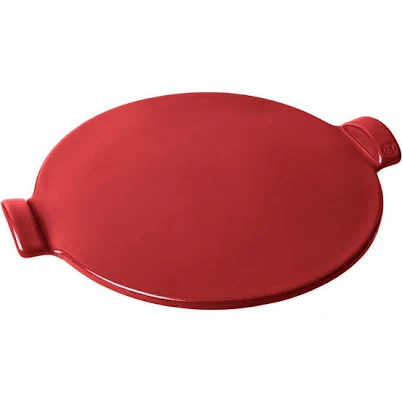
Emile Henry · Pizza Stones & Baking Surfaces
Emile Henry Pizza Stone
Lower concern, uncoated ceramic pizza stones carry minimal PFAS risk.
Ceramic or clay-based pizza stone without nonstick or Teflon-family coating coatings. Emile Henry makes no explicit PFAS claims, but the uncoated baking surface carries lower exposure risk than coated cookware.
The better-graded swap
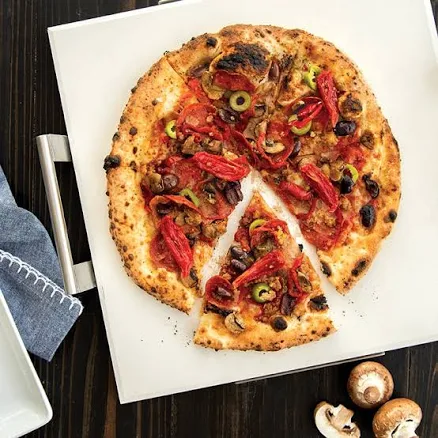
Deluxe Square Pizza Stone with Rack
90/100 safety
Same rubric that flunked this product. The swap earned Excellent.
Still want this one anyway? Check the price on Amazon. We’d swap it.
Material
Ceramic or clay-based pizza stone
Brand disclosure
Brand is silent on PFAS
Lab data
No public lab test
Is Emile Henry Pizza Stone non-toxic? What it is made of
Emile Henry pizza stones are made from natural clay-based ceramic, fired at high temperature to create a porous, heat-retaining surface. This material is chemically stable once cured and does not degrade into leachates under normal cooking conditions (temperatures up to 500°F and beyond). Unlike glazed ceramics used for dinnerware, pizza stones typically have minimal or no surface coatings, eliminating concerns about lead or cadmium in decorative glazes. The porous structure is intentional, it absorbs and redistributes moisture, which creates the characteristic crispy crust.
What’s concerning
No PFAS disclosure
No public statement from the brand about PFAS in this product.
Category baseline
The starting point for this type of product, before anything specific to this product is counted.
Microcracking and water absorption over extended use
Ceramic pizza stones are porous and can develop hairline cracks from thermal cycling or physical impact over years. Absorbed water can weaken the structure, but this is a mechanical failure mode, not a chemical-leaching hazard. Proper drying and gradual heating minimize risk.
Mold or bacterial growth in porous material if stored damp
The porous ceramic structure can trap moisture if stored in humid conditions or not fully dried. This is a maintenance risk, not an inherent material toxicity, and is easily prevented by keeping the stone dry.
What’s reassuring
Base material not linked to PFAS
The main material recorded for this product is not one associated with PFAS.
Lead
Emile Henry pizza stones are sold unglazed or with minimal glazing. No recall notices or independent test findings have identified heavy-metal leaching from this product. Risk is negligible compared to glazed dinnerware.
Source, ATSDR ↗Aluminum leaching
Pizza stones are clay-based ceramic, not aluminum cookware. This hazard class does not apply.
Coating degradation and Teflon-type coating fume release
Uncoated ceramic pizza stones carry no non-stick coating (Teflon-type coating) and no polymeric surface layers subject to breakdown. This hazard is absent in this product type.
The full breakdown
The brand's record and disclosure
Emile Henry is a long-established French cookware manufacturer with no published major safety recalls or product-liability findings related to chemical leaching or coating failure. The brand does not publicly disclose PFAS testing or manufacturing restrictions, and marketing materials focus on heat performance and durability rather than chemical safety certifications. No third-party testing violations or regulatory warnings have been documented for this product line. The company's reputation rests on product longevity rather than formal safety transparency.
How it compares in its category
Uncoated ceramic pizza stones like this are among the lowest-risk options in the category, along with unglazed terracotta alternatives. They avoid the coating-degradation concerns present in some non-stick or silicone-coated variants. Some competitors (e.g., Lodge cast iron pizza stones) introduce different material profiles (iron oxidation, potential seasoning residues), while glazed ceramic stones carry label risk if glazes contain lead. Emile Henry's French manufacturing and established track record place it in the mid-to-premium segment with no known quality-control gaps.
If you buy it
Preheat the stone gradually (no thermal shock from cold water) and use it at oven temperatures up to 500°F consistently without concern. Do not soak or submerge; wipe clean with a dry cloth and store in a dry location to prevent mold growth in the porous structure. Inspect annually for visible cracks or deep discoloration, which may indicate water absorption and loss of performance but not acute safety risk. Replace if structural damage occurs; unglazed ceramic stones do not degrade chemically over time with proper care, only mechanically.
What we don’t know
- Basis
- Model estimate, 78% confidence, not a lab result
- Lab test
- None on record for this exact product
- Brand statement
- Emile Henry has made none
Formulations change between production runs, so check the current label. How we grade.
Better-graded alternatives in Pizza Stones & Baking Surfaces
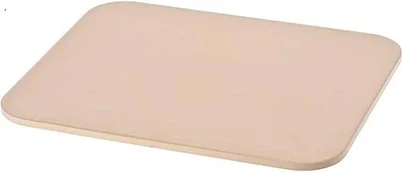
15-Inch Ceramic Pizza Stone for Perfect Crispy Crusts
- Ceramic (clay-based baking stone)
- The brand calls it PFAS-free, which we have not verified
- Glaze degradation and surface leaching
3 hazards checked on this product. See all of them.
Deluxe Square Pizza Stone with Rack
- ceramic or unglazed stone; no nonstick coating
- The brand calls it PFAS-free, which we have not verified
- Ceramic or stone cracking and fragmentation
2 hazards checked on this product. See all of them.
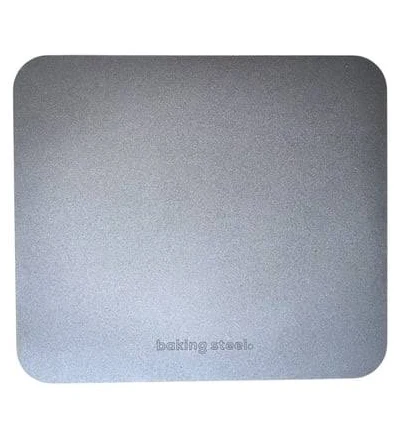
Baking Steel
The Original Ultra Conductive Pizza Stone
- carbon steel (bare metal, no coating)
- We found no PFAS statement from the brand
- Rust and corrosion
2 hazards checked on this product. See all of them.
More pizza stones & baking surfaces grades
How we score, every product runs through the same public 0-100 rubric based on materials, coatings, brand disclosure, lab findings, and recalls. See the full methodology → Spotted a mistake? Report an error.