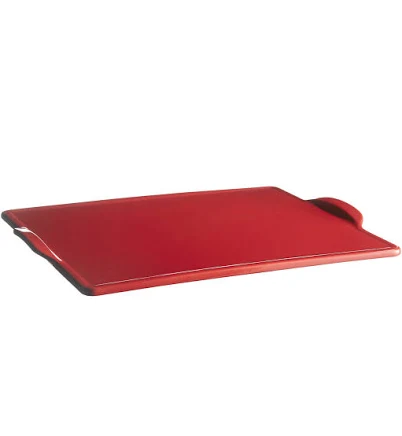
Emile Henry · Pizza Stones & Baking Surfaces
Emile Henry Rectangular Pizza Stone
Lower concern. Ceramic material with no coating or water-repellent finish on record.
Material as recorded is ceramic. No nonstick coating, water-repellent finish, or chemical treatment on record. The brand has no PFAS statement on record.
The better-graded swap
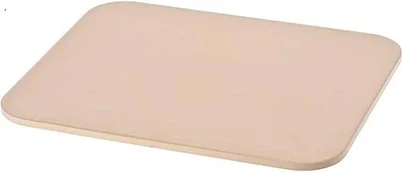
15-Inch Ceramic Pizza Stone for Perfect Crispy Crusts
90/100 safety
Same rubric that flunked this product. The swap earned Excellent.
Still want this one anyway? Check the price on Amazon. We’d swap it.
Material
Ceramic (clay-based)
Brand disclosure
Brand is silent on PFAS
Lab data
No public lab test
Is Emile Henry Rectangular Pizza Stone non-toxic? What it is made of
Emile Henry's rectangular pizza stone is fired clay ceramic, typically food-grade earthenware or stoneware without surface glaze. Unglazed ceramic avoids the risk of lead or cadmium leaching from glazes, which can be a concern in some low-cost imported ceramics. The porous structure absorbs and distributes heat evenly, which is the intended design. No Teflon-type coating or synthetic coatings are present, eliminating fume risk from overheating.
What’s concerning
No PFAS disclosure
No public statement from the brand about PFAS in this product.
Category baseline
The starting point for this type of product, before anything specific to this product is counted.
Thermal shock and cracking
Ceramic pizza stones can crack if exposed to rapid temperature changes (e.g., removing from a hot oven and placing on a cold surface). This is a mechanical failure rather than a chemical hazard, but damaged ceramic can shed small fragments; proper cooling protocol mitigates this.
Porous material bacterial or mold growth
Unglazed ceramic is absorbent and can retain moisture if not dried thoroughly. In damp storage or humid climates, mold or mildew may grow on the surface. This is a hygiene concern rather than a chemical one; regular air-drying and inspection prevent it.
What’s reassuring
Base material not linked to PFAS
The main material recorded for this product is not one associated with PFAS.
Lead
This product is unglazed, eliminating the primary pathway for heavy metal leaching from surface coatings. Emile Henry's sourcing and manufacturing standards are not publicly documented, but no contamination has been reported for this product line.
Source, ATSDR ↗Aluminum or other metals leaching from clay body
Clay-based ceramics do contain trace minerals including aluminum, but firing locks these into the silicate matrix and they do not leach into food under normal baking temperatures. No established health concern exists for food-grade ceramic bakeware of this type.
Teflon-type coating or nonstick coating fume risk
Emile Henry's unglazed ceramic has no synthetic coatings, eliminating the risk of polymer fume inhalation at high temperatures. This is a key safety advantage over some lower-cost nonstick pizza pans.
The full breakdown
The brand's record and disclosure
Emile Henry is a French manufacturer with a long history in professional and home ceramicware. The company does not publicly disclose PFAS testing or certification, though unglazed ceramic products are not associated with PFAS. No major safety recalls or contamination incidents are on record for this product line. The brand is generally regarded as a mid-to-premium cookware manufacturer without documented transparency issues in this category.
How it compares in its category
Unglazed ceramic pizza stones show lower concern for chemical risks compared to baking surfaces with nonstick coatings or glazed ceramics. Compared to cast iron (rust and maintenance), glazed ceramics (potential lead), or composite stones (manufacturing unknowns), Emile Henry's design eliminates multiple hazard pathways. The rectangular shape is a practical advantage over round stones for many home ovens and is standard for the brand.
If you buy it
Season the stone lightly with neutral oil before first use to improve browning, though this is optional. Use on a stable oven rack at temperatures up to 500F (most home ovens cap here); commercial versions tolerate higher heat. Allow the stone to cool slowly after use to minimize thermal stress cracking. Clean only with a damp cloth or soft brush; avoid soaking and never use soap, which can absorb into the porous ceramic.
What we don’t know
- Basis
- Model estimate, 82% confidence, not a lab result
- Lab test
- None on record for this exact product
- Brand statement
- Emile Henry has made none
Formulations change between production runs, so check the current label. How we grade.
Better-graded alternatives in Pizza Stones & Baking Surfaces
15-Inch Ceramic Pizza Stone for Perfect Crispy Crusts
- Ceramic (clay-based baking stone)
- The brand calls it PFAS-free, which we have not verified
- Glaze degradation and surface leaching
3 hazards checked on this product. See all of them.
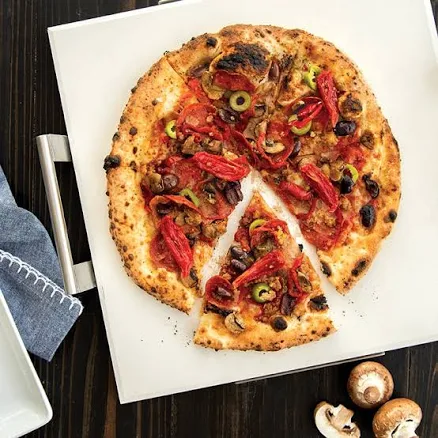
Deluxe Square Pizza Stone with Rack
- ceramic or unglazed stone; no nonstick coating
- The brand calls it PFAS-free, which we have not verified
- Ceramic or stone cracking and fragmentation
2 hazards checked on this product. See all of them.
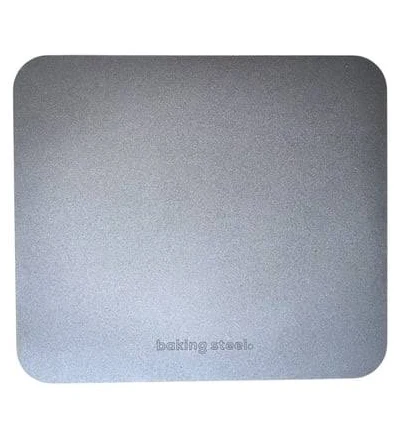
Baking Steel
The Original Ultra Conductive Pizza Stone
- carbon steel (bare metal, no coating)
- We found no PFAS statement from the brand
- Rust and corrosion
2 hazards checked on this product. See all of them.
More pizza stones & baking surfaces grades
How we score, every product runs through the same public 0-100 rubric based on materials, coatings, brand disclosure, lab findings, and recalls. See the full methodology → Spotted a mistake? Report an error.