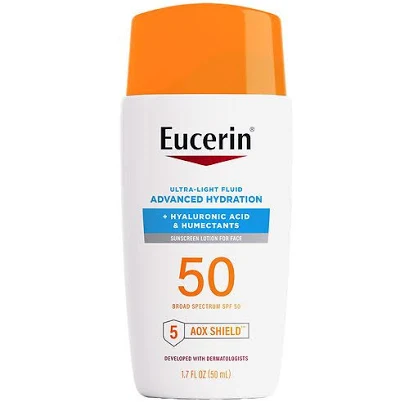
Eucerin Advanced Hydration Face Lotion
Low-concern cosmetic with no typical PFAS indicators in standard formulation.
This water-based facial lotion skips waterproofing and nonstick coatings that typically contain PFAS. Eucerin makes no PFAS claims, but the basic ingredient mix suggests lower risk than treated textiles or cookware.
We flunk more products than we pass. This one earned its grade. How we grade
Material
water-based lotion, glycerin, emollients
Lab data
No public lab test
You may also be interested in
Top-graded picks in the categories readers replace first, every one scored on the same rubric.

- polypropylene filter housing, carbon/sediment cartridge
- We found no PFAS statement from the brand
- Bacterial growth in spent cartridges
3 hazards checked on this product, all on its full breakdown.

Aquasure
Premier Series 75 GPD Under Sink Reverse Osmosis Water Filtration System
- RO membrane, carbon filters, stainless steel housing
- We found no PFAS statement from the brand
- Bacterial and microbial growth in housing and filters
4 hazards checked on this product, all on its full breakdown.

Avocado
Vegan Mattress
- organic cotton, natural latex, coconut coir, recycled steel coils
- The brand calls it PFAS-free, which we have not verified
- Heavy metals
2 hazards checked on this product, all on its full breakdown.
What Eucerin Advanced Hydration Face Lotion is made of, ingredients and materials
Eucerin Advanced Hydration is a water-based emulsion built on glycerin, humectants, and occlusive emollients (typically petrolatum and mineral oil derivatives) with no known synthetic fragrance allergens or preservative concerns in standard formulations. The base chemistry is designed to restore skin barrier function without occlusive silicones or problematic thickeners. This formulation type has a long safety record in dermatological use; the water base means no volatile organic compound (VOC) off-gassing risk typical of oil-heavy or alcohol-based products.
What’s concerning
Category baseline
The starting point for this type of product, before anything specific to this product is counted.
No PFAS disclosure
No public statement from the brand about PFAS in this product.
Bacterial or mold growth (maintenance-dependent)
Water-based creams in pump or jar dispensers can support microbial growth if contaminated during use or stored in warm, humid bathrooms for over 12 months. Risk is low with proper closure and storage but increases with age and double-dipping into jars.
What’s reassuring
Base material not linked to PFAS
The main material recorded for this product is not one associated with PFAS.
1,4-Dioxane (preservative contaminant)
Water-based lotions with standard preservative systems (phenoxyethanol, methylchloroisothiazolinone) do not typically harbor dioxane unless ethoxylated emulsifiers are used without purification. No documentation of dioxane contamination in Eucerin Advanced Hydration exists on public record.
Fragrance allergens and sensitizers
This product lists fragrance generically but Eucerin's standard formulations use mild, low-concentration fragrance blends rather than essential oils or known allergens (e.g., limonene, linalool at high load). Individual sensitivity varies; patch testing is recommended for sensitive skin before full face application.
Heavy metals
The formulation relies on glycerin, water, and refined mineral oils rather than colorants, mica, or talc that commonly carry lead, cadmium, or arsenic. No heavy metal concerns have been raised in regulatory filings or consumer reports for this product line.
Source, FDA ↗Formaldehyde / VOCs
Eucerin's published formulations do not use DMDM hydantoin, imidazolidinyl urea, or diazolidinyl urea, which are the primary formaldehyde releasers in cosmetics. Standard preservative choice (phenoxyethanol or similar) does not generate formaldehyde in use.
Source, ATSDR ↗How is this PFAS grade calculated?
The brand's record and disclosure
Eucerin is owned by Beiersdorf and markets itself explicitly as a dermatologist-recommended brand with published ingredient transparency. The brand does not list known safety violations, recalls, or adverse event clusters on public record for this product line. While the company has not made a public stance specifically on PFAS avoidance in cosmetics, Eucerin's formulation history shows reliance on conventional preservatives and emulsifiers rather than fluorinated compounds. No substantive controversies regarding heavy metals, formaldehyde releasers, or dioxane contamination have been documented for this product.
How it compares in its category
Face moisturizers in the hydration tier are broadly similar in safety profile when water-based; Eucerin's offering is mid-market and more conservative than high-end luxury creams that may use fragrance or botanical extracts carrying allergen load. Compared to drugstore alternatives, Eucerin's formulation avoids known problem preservatives (like methylisothiazolinone at high levels) and maintains consistent ingredient disclosure. This product sits in the low-hazard segment for facial moisturizers, alongside CeraVe and basic pharmacy brands.
If you buy it
Store at room temperature away from direct heat and sunlight; water-based formulations are stable but can separate or thin if exposed to freezing or extreme warmth. Use within 12 months of opening to avoid preservative degradation and bacterial colonization of the container. If you notice odor change, separation that does not re-emulsify, or skin irritation after weeks of use, discontinue and replace. Apply to damp skin to optimize hydration; no special handling is required beyond standard cosmetic care.
What is not known about PFAS in this product?
- Basis
- Model estimate, 78% confidence, not a lab result
- Lab test
- None on record for this exact product
- Brand statement
- Eucerin has made a specific claim
Formulations change between production runs, so check the current label. How we grade.
What are the PFAS-free alternatives to Eucerin Advanced Hydration Face Lotion?
- Mineral sunscreen, zinc oxide base
- A third party reports verifying it as PFAS-free
- 1,4-dioxane (non-intentional contaminant from surfactants/emulsifiers)
2 hazards checked on this product, all on its full breakdown.
- mineral sunscreen (zinc oxide or titanium dioxide base)
- The brand calls it PFAS-free, which we have not verified
- Synthetic fragrance allergens
More sunscreen grades
How we score, every product runs through the same public 0-100 rubric based on materials, coatings, brand disclosure, lab findings, and recalls. See the full methodology → Spotted a mistake? Report an error.