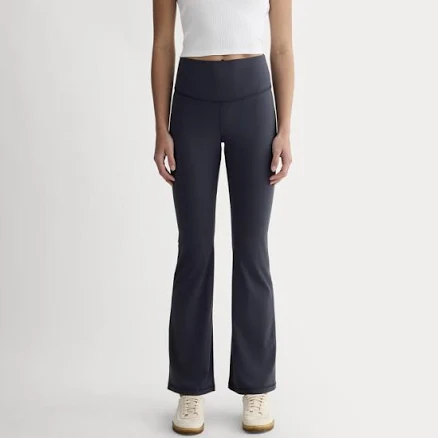
Everlane Perform Flare Legging
Typical activewear with water-repellent coating; PFAS risk unclear without material disclosure.
Everlane's Perform Flare Leggings likely use standard nylon with durable water repellency coating, a common PFAS application in activewear. Everlane provides no PFAS disclosure or certifications.
Still want this one anyway? Check the price on Amazon. We’d swap it.
Material
Nylon blend with water-repellent coating water-resistant treatment
Brand disclosure
Brand is silent on PFAS
Lab data
No public lab test
You may also be interested in
Top-graded picks in the categories readers replace first, every one scored on the same rubric.

- polypropylene filter housing, carbon/sediment cartridge
- We found no PFAS statement from the brand
- Bacterial growth in spent cartridges
3 hazards checked on this product, all on its full breakdown.

Aquasure
Premier Series 75 GPD Under Sink Reverse Osmosis Water Filtration System
- RO membrane, carbon filters, stainless steel housing
- We found no PFAS statement from the brand
- Bacterial and microbial growth in housing and filters
4 hazards checked on this product, all on its full breakdown.

Avocado
Vegan Mattress
- organic cotton, natural latex, coconut coir, recycled steel coils
- The brand calls it PFAS-free, which we have not verified
- Heavy metals
2 hazards checked on this product, all on its full breakdown.
What Everlane Perform Flare Legging is made of, ingredients and materials
Everlane Perform Flare Leggings are nylon-blend fabric treated with a water-repellent coating (water-repellent coating) finish. water-repellent coating coatings on athletic wear typically use fluorinated compounds (PFAS variants) to repel sweat and moisture, though Everlane has not publicly disclosed which water-repellent coating chemistry is used here. Nylon itself is stable as a fiber, but the finishing treatment and any dyes applied during manufacturing are the primary chemical exposure points.
What’s concerning
Waterproof / stain-resistant treatment
Water-repellent coating treatments have historically used PFAS.
Category baseline
The starting point for this type of product, before anything specific to this product is counted.
No PFAS disclosure
No public statement from the brand about PFAS in this product.
PFAS
Nylon activewear with water-repellent coating finish almost always uses fluorinated chemistry. Everlane's silence on composition suggests conventional PFAS-based water-repellent coating rather than alternatives without this class of chemicals, though no direct testing of this product is publicly available.
Source, ATSDR ↗Azo dyes and synthetic colorants
Black or bright performance leggings typically use azo dyes to achieve color fastness in nylon. These can release aromatic amines under sweat or friction; Everlane does not disclose dye standards or compliance with restricted azo lists.
Nylon microfiber shedding
Synthetic nylon leggings shed microplastics during wear and washing, especially as the fabric ages and elasticity declines. This is inherent to the material class, not brand-specific, but unavoidable with this product type.
Formaldehyde / VOCs
Nylon fabrics sometimes use formaldehyde-based wrinkle or shape-retention treatments. Everlane does not disclose whether this legging undergoes such finishing; formaldehyde off-gassing is typically low but possible in new synthetic garments.
Source, ATSDR ↗What’s reassuring
Antimony residues in polyester blends
If the blend includes polyester (common in nylon activewear blends), antimony catalyst residues are theoretically possible; Everlane does not specify exact fiber composition percentages, so polyester presence cannot be ruled out.
How is this PFAS grade calculated?
The brand's record and disclosure
Everlane markets itself as a transparency-focused brand, yet provides no public breakdown of water-repellent coating chemistry, dye types, or chemical finishes on product pages. The brand has not published commitments to PFAS reduction or alternatives (like wax-based or PFC-free water-repellent coating). No established safety recalls or formal contamination findings are on record for this specific product line, but silence on water-repellent coating composition is a red flag for a brand claiming transparency.
How it compares in its category
water-repellent coating-treated nylon leggings are standard in mainstream activewear; Everlane's approach is typical rather than leading. Competitors like Patagonia and Allbirds have publicly committed to PFAS elimination or disclose water-repellent coating alternatives. Brands using untreated nylon, wax-based repellents, or certified PFC-free finishes offer lower chemical-exposure options for performance leggings, though they may be pricier or perform differently in wet conditions.
If you buy it
Wash separately in cool water before first wear to rinse excess dyes and finishes. Avoid high heat (dryer on low or air dry) to prevent polymer breakdown and potential fume release. Replace when elasticity fails or seams degrade, as worn nylon microfibers shed with wear and washing. Do not wear near food preparation if concerned about fluorine exposure transfer, though risk from skin contact is low.
What is not known about PFAS in this product?
- Basis
- Model estimate, 45% confidence, not a lab result
- Lab test
- None on record for this exact product
- Brand statement
- Everlane has made none
Formulations change between production runs, so check the current label. How we grade.
What are the PFAS-free alternatives to Everlane Perform Flare Legging?
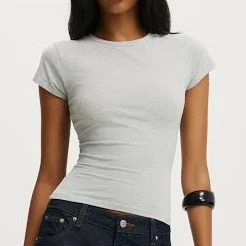
- cotton
- We found no PFAS statement from the brand
- Azo dyes and azo metabolites
2 hazards checked on this product, all on its full breakdown.
Find an alternative on Amazon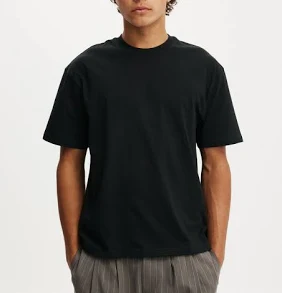
- cotton
- We found no PFAS statement from the brand
- Heavy metals
3 hazards checked on this product, all on its full breakdown.
Find an alternative on Amazon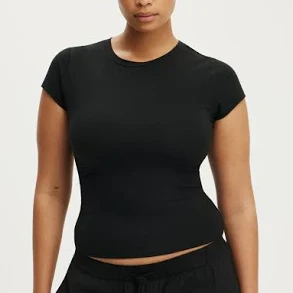
- cotton
- We found no PFAS statement from the brand
- Azo dyes and synthetic dyes
3 hazards checked on this product, all on its full breakdown.
Find an alternative on AmazonMore activewear grades
How we score, every product runs through the same public 0-100 rubric based on materials, coatings, brand disclosure, lab findings, and recalls. See the full methodology → Spotted a mistake? Report an error.