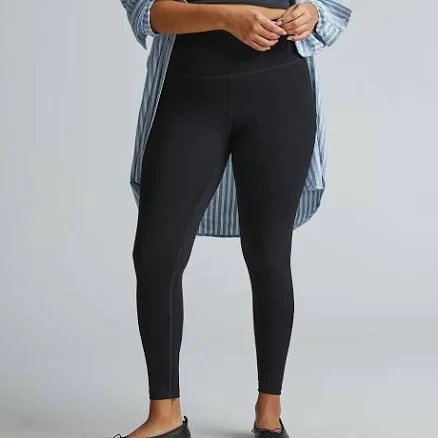
Everlane Perform Legging
Skip until brand discloses water-repellent coating chemistry or removes water treatment.
Perform legging uses water-repellent coating treatment typical of athletic wear, but Everlane does not publicly disclose the chemistry or PFAS status. Without third-party verification or brand transparency, the waterproofing raises concern.
Still want this one anyway? Check the price on Amazon. We’d swap it.
Material
nylon/polyester blend with moisture-wicking treatment
Brand disclosure
Brand is silent on PFAS
Lab data
No public lab test
You may also be interested in
Top-graded picks in the categories readers replace first, every one scored on the same rubric.

- polypropylene filter housing, carbon/sediment cartridge
- We found no PFAS statement from the brand
- Bacterial growth in spent cartridges
3 hazards checked on this product, all on its full breakdown.

Aquasure
Premier Series 75 GPD Under Sink Reverse Osmosis Water Filtration System
- RO membrane, carbon filters, stainless steel housing
- We found no PFAS statement from the brand
- Bacterial and microbial growth in housing and filters
4 hazards checked on this product, all on its full breakdown.

Avocado
Vegan Mattress
- organic cotton, natural latex, coconut coir, recycled steel coils
- The brand calls it PFAS-free, which we have not verified
- Heavy metals
2 hazards checked on this product, all on its full breakdown.
What Everlane Perform Legging is made of, ingredients and materials
Everlane Perform Leggings are a nylon/polyester blend treated with a moisture-wicking finish, most likely a polyurethane or silicone-based coating applied to manage sweat and dry time. The nylon component can shed microfibers during washing, particularly in the first 5-10 washes, and the synthetic polyester is petroleum-derived with its own manufacturing footprint. The 'performance' treatment is where the PFAS concern enters, most durable water/moisture repellent finishes on athletic wear historically used PFOA or GenX chemistry, though some brands have transitioned to fluorine-free alternatives that Everlane has not publicly detailed.
What’s concerning
Waterproof / stain-resistant treatment
Water-repellent coating treatments have historically used PFAS.
Category baseline
The starting point for this type of product, before anything specific to this product is counted.
No PFAS disclosure
No public statement from the brand about PFAS in this product.
Microplastics
Nylon/polyester blends are documented sources of microplastic pollution in wastewater, with highest release in first 5-10 washes. Everlane does not mention fiber-trapping measures or low-shed yarn technology.
Source, EPA ↗Heavy metals
No certification (e.g., OEKO-TEX, bluesign) is stated, leaving dye chemistry and heavy metal content in pigments unverified. Polyester and nylon both accept synthetic dyes that may contain cadmium, lead, or azo compounds if not strictly controlled.
Source, FDA ↗Moisture-wicking coating off-gassing and degradation
Polyurethane or silicone moisture-wicking treatments can emit volatile organic compounds (VOCs) or break down over time when exposed to heat, sweat, or washing, releasing unclaimed finish residues into skin contact or laundry water.
Formaldehyde / VOCs
No statement of formaldehyde-free processing is published; nylon/polyester blends may be treated with formaldehyde-based resins for wrinkle resistance or stability during manufacturing and dyeing.
Source, ATSDR ↗Brand transparency and supply-chain verification gaps
Everlane's lack of published restricted substances list, third-party chemical testing, or supply-chain auditing for athletic wear suggests limited oversight of finishing and dyeing agents compared to certified competitors.
How is this PFAS grade calculated?
The brand's record and disclosure
Everlane markets itself as a transparency-focused brand but provides no specific disclosure of the water-repellent coating (water-repellent coating) chemistry, dyes, or finishing agents used in Perform leggings. The brand has faced criticism for vague sustainability claims and has not published a restricted substances list or pursued bluesign or OEKO-TEX certification for its athletic line, suggesting incomplete third-party chemical vetting. No major recalls or documented chemical violations tied to Everlane leggings are on public record, but the absence of disclosure itself is a red flag for a brand positioning transparency as its core value.
How it compares in its category
Everlane Perform leggings sit in the accessible athleisure segment alongside brands like Outdoor Voices and Girlfriend Collective, which similarly lack full transparency on PFAS use. Compared to certified alternatives (Patagonia, MATE the Label with bluesign or OEKO-TEX), Everlane offers lower price and brand cachet but sacrifices chemical clarity. Most mainstream nylon/polyester leggings share the microfiber shedding and potential PFAS exposure, making this product representative of a broader category problem rather than uniquely risky within its tier.
If you buy it
Wash in cold water inside a mesh laundry bag to reduce microfiber release and slow coating degradation. Avoid high heat in the dryer; lay flat or air dry to preserve the moisture-wicking treatment and minimize any volatile off-gassing from the finish. Replace after 1-2 years of regular use or when the fabric shows visible pilling, flaking, or loss of fit, as coating breakdown may release embedded treatment chemicals. Do not wash with other delicate items that could absorb shed microfibers or loose dyes.
What is not known about PFAS in this product?
- Basis
- Model estimate, 45% confidence, not a lab result
- Lab test
- None on record for this exact product
- Brand statement
- Everlane has made none
Formulations change between production runs, so check the current label. How we grade.
What are the PFAS-free alternatives to Everlane Perform Legging?
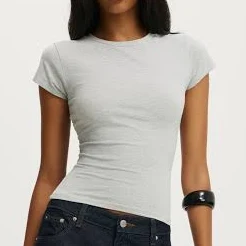
- cotton
- We found no PFAS statement from the brand
- Azo dyes and azo metabolites
2 hazards checked on this product, all on its full breakdown.
Find an alternative on Amazon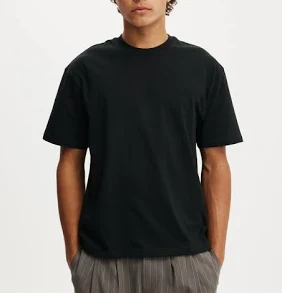
- cotton
- We found no PFAS statement from the brand
- Heavy metals
3 hazards checked on this product, all on its full breakdown.
Find an alternative on Amazon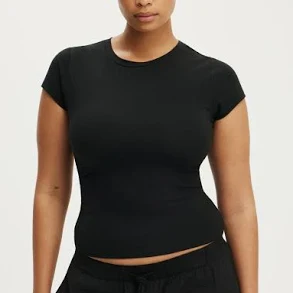
- cotton
- We found no PFAS statement from the brand
- Azo dyes and synthetic dyes
3 hazards checked on this product, all on its full breakdown.
Find an alternative on AmazonMore activewear grades
How we score, every product runs through the same public 0-100 rubric based on materials, coatings, brand disclosure, lab findings, and recalls. See the full methodology → Spotted a mistake? Report an error.