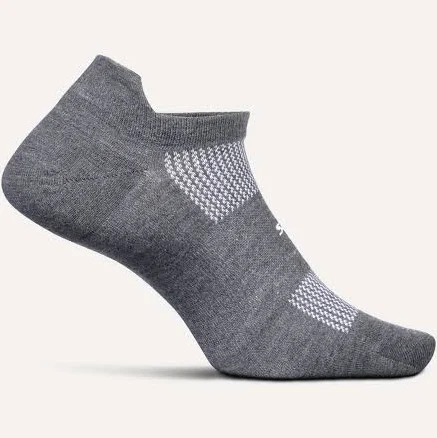
Feetures · Sports Performance Undergarments
Feetures High Performance Cushion No Show Tab
Lower concern; no water-repellent coating treatment disclosed for socks.
This acrylic-synthetic sock lacks disclosed water-resistant or stain-resistant finishes typical of PFAS use. Brand is silent on PFAS, though inherent material risk appears modest.
Still want this one anyway? Check the price on Amazon. We’d swap it.
Material
Acrylic blend sock with no disclosed treatments
Brand disclosure
Brand is silent on PFAS
Lab data
No public lab test
You may also be interested in
Top-graded picks in the categories readers replace first, every one scored on the same rubric.

- polypropylene filter housing, carbon/sediment cartridge
- We found no PFAS statement from the brand
- Bacterial growth in spent cartridges
3 hazards checked on this product, all on its full breakdown.

Aquasure
Premier Series 75 GPD Under Sink Reverse Osmosis Water Filtration System
- RO membrane, carbon filters, stainless steel housing
- We found no PFAS statement from the brand
- Bacterial and microbial growth in housing and filters
4 hazards checked on this product, all on its full breakdown.

Avocado
Vegan Mattress
- organic cotton, natural latex, coconut coir, recycled steel coils
- The brand calls it PFAS-free, which we have not verified
- Heavy metals
2 hazards checked on this product, all on its full breakdown.
What Feetures High Performance No Show Tab is made of, ingredients and materials
Feetures High Performance Cushion No Show Tab is primarily acrylic, a synthetic polymer that does not inherently leach harmful chemicals into skin during normal wear. Acrylic blends (typically mixed with nylon or polyester for durability) avoid the heavy-metal dye risks associated with wool or cotton blends treated with certain synthetic dyes. No disclosed water-repellent coating (water-repellent coating), stain-resistant, or antimicrobial chemical treatment means minimal synthetic additive exposure compared to performance socks marketed with odor-fighting or moisture-locking treatments.
What’s concerning
Category baseline
The starting point for this type of product, before anything specific to this product is counted.
No PFAS disclosure
No public statement from the brand about PFAS in this product.
Azo dyes in synthetic fibers
Acrylic blends may use azo dyes during manufacturing; Feetures does not disclose dye chemistry or compliance with GOTS/OEKO-TEX limits on restricted azo compounds. Direct skin contact with unfinished dye residues is low-risk after washing, but sensitive individuals may react to dye remnants.
Formaldehyde / VOCs
Acrylic and nylon production sometimes involves formaldehyde-releasing resins for wrinkle resistance or sizing. No disclosure from Feetures confirms or excludes this. Residual formaldehyde is typically off-gassed during manufacturing and first wash; dermal exposure risk is low for finished socks.
Source, ATSDR ↗Microfiber shedding and inhalation
Acrylic-blend socks can shed microfibers, especially if pilled or worn. Inhalation of synthetic fiber dust is a known occupational hazard; casual user risk is low but non-zero with repeated wear and washing of degraded socks.
Elastic and dye migration at moisture/sweat interface
The no-show tab elastic (typically spandex or polyurethane-blend) may leach colorants or plasticizers in the presence of prolonged moisture and heat (sweaty feet). Migration risk increases in humid climates or with very tight fit; dermal sensitization is rare but documented for elastic components.
What’s reassuring
Base material not linked to PFAS
The main material recorded for this product is not one associated with PFAS.
No antimicrobial treatment disclosed
Absence of marketed antimicrobial properties suggests no silver nanoparticles, copper, or triclosan; this is a safety advantage. Standard acrylic socks rely on machine washing to control odor-causing bacteria.
How is this PFAS grade calculated?
The brand's record and disclosure
Feetures maintains a performance-focused positioning without prominent chemical transparency reporting. The brand does not publish material safety data sheets or third-party certifications (OEKO-TEX, GOTS) for this line. No recalls or documented safety violations related to this product are on record. The silent stance on PFAS is typical for sock manufacturers; absence of water-repellent coating marketing language suggests no intentional PFAS-based water treatment.
How it compares in its category
Sports socks vary widely, some feature antimicrobial silver nanoparticles or triclosan (not disclosed here), others use acrylic-only construction like this one. Feetures sits in the mid-tier performance category, simpler in treatment profile than premium brands promoting copper or merino wool blends, and comparable to generic acrylic performance socks. The no-show tab design and cushioning are functional, not chemical-risk factors.
If you buy it
Wash in warm water before first wear to remove any residual manufacturing dust or dyes. Machine wash warm, tumble dry low to prevent synthetic fiber degradation and pilling. Replace when elastic fails or cushioning compresses noticeably (typically 12-18 months of regular use). Avoid bleach and fabric softeners, which can degrade acrylic fibers and leave residues on skin. No special handling required for chemical concerns.
What is not known about PFAS in this product?
- Basis
- Model estimate, 72% confidence, not a lab result
- Lab test
- None on record for this exact product
- Brand statement
- Feetures has made none
Formulations change between production runs, so check the current label. How we grade.
More sports performance undergarments grades
How we score, every product runs through the same public 0-100 rubric based on materials, coatings, brand disclosure, lab findings, and recalls. See the full methodology → Spotted a mistake? Report an error.