Flex Seal · Fabric Stain Guard Sprays
Flex Seal Spray Rubber Sealant Coating, Waterproof, Clear, 14 oz
Skip until brand discloses waterproof coating chemistry.
Flex Seal does not publicly disclose PFAS status or coating composition. Waterproof sealants often use fluorochemicals; without transparency, risk cannot be assessed.
Still want this one anyway? Check the price on Amazon. We’d swap it.
Material
Proprietary rubber sealant coating, composition undisclosed
Brand disclosure
Brand is silent on PFAS
Lab data
No public lab test
You may also be interested in
Top-graded picks in the categories readers replace first, every one scored on the same rubric.

- polypropylene filter housing, carbon/sediment cartridge
- We found no PFAS statement from the brand
- Bacterial growth in spent cartridges
3 hazards checked on this product, all on its full breakdown.

Aquasure
Premier Series 75 GPD Under Sink Reverse Osmosis Water Filtration System
- RO membrane, carbon filters, stainless steel housing
- We found no PFAS statement from the brand
- Bacterial and microbial growth in housing and filters
4 hazards checked on this product, all on its full breakdown.

Avocado
Vegan Mattress
- organic cotton, natural latex, coconut coir, recycled steel coils
- The brand calls it PFAS-free, which we have not verified
- Heavy metals
2 hazards checked on this product, all on its full breakdown.
What Flex Seal Spray Rubber Sealant Clear, is made of, ingredients and materials
Flex Seal Spray is a proprietary rubber sealant coating; the manufacturer does not publicly disclose its full chemical composition, resin type, or cure mechanism. This opacity prevents independent assessment of whether the product contains volatile organic compounds (VOCs), formaldehyde releasers, or other respiratory irritants during application or curing. The product is sold as a waterproofing aerosol, implying a pressurized propellant system (likely hydrocarbon-based, standard for this product class) and a liquid rubber matrix, but exact polymer origin and additives remain unknown.
What’s concerning
Waterproof / stain-resistant treatment
Water-repellent coating treatments have historically used PFAS.
Category baseline
The starting point for this type of product, before anything specific to this product is counted.
No PFAS disclosure
No public statement from the brand about PFAS in this product.
Volatile organic compounds (VOCs) and respiratory irritants during application
Aerosol sealants typically emit propellant vapors and solvent off-gas during spray and initial cure; the undisclosed formula means specific VOC content and curing timeline are unknown. No occupational health data or VOC limits are published by the brand.
Coating degradation and loss of seal integrity over time
Rubber sealant coatings are subject to UV, thermal cycling, and mechanical stress; consumer reviews and warranty limitations indicate that Flex Seal products may crack, peel, or lose adhesion within 1-3 years in outdoor or high-stress environments, potentially exposing underlying surfaces.
Skin or eye contact with uncured product
No consumer-accessible safety data sheet is published; the undisclosed composition means irritation potential, allergenicity, or toxicity from direct contact cannot be independently verified. Standard precautions (gloves, eye protection, ventilation) are advisable but specific hazard severity is unknown.
Leaching into water or food contact surfaces if misapplied
If the sealant is applied to or near surfaces that will contact drinking water or food, the lack of published composition data means migration of monomers, plasticizers, or other additives cannot be ruled out. The product is not labeled for food-contact use, but misuse in such contexts poses unknown risk.
What’s reassuring
Propellant toxicity or flammability during use
Hydrocarbon propellants in spray cans are standard and regulated; no specific recalls or injuries linked to Flex Seal propellant have been publicly recorded. However, the product carries standard aerosol flammability warnings and should be kept away from heat, flame, and static sources.
How is this PFAS grade calculated?
The brand's record and disclosure
Flex Seal has not published ingredient lists, safety data sheets accessible to consumers, or third-party certifications (e.g., UL, EPA Safer Choice). The brand's stance on PFAS content in waterproofing formulations is silent; no public commitment to phase-out or disclosure has been recorded. This lack of transparency is typical of consumer-targeted sealant brands but creates difficulty in assessing whether PFOA, Teflon-type coating, or other fluorinated water-repellent additives are present.
How it compares in its category
Spray rubber sealants are broadly similar, most rely on undisclosed propellant and polymer blends. Competitors (e.g., Gorilla tape, standard silicone caulk) also often withhold full composition but some smaller manufacturers or premium brands do publish ingredient safety data. Flex Seal's market prominence and lack of transparency place it in a middle-to-lower tier for consumer disclosure; it does not stand out as unusually opaque but also offers no disclosure advantage over generic alternatives.
If you buy it
Apply in well-ventilated outdoor or garage settings to minimize inhalation of propellant and off-gassing during cure. Allow full curing time per label (typically 24-48 hours) before exposing the seal to water or stress; incomplete cure may compromise waterproof performance and durability. Do not apply to surfaces that will contact food, drinking water, or skin without prior research into post-cure leachability, as product composition is unknown. Replace or inspect the seal every 1-2 years in high-sun or temperature-cycling environments, as rubber coatings degrade and may crack or peel over time.
What is not known about PFAS in this product?
- Basis
- Model estimate, 35% confidence, not a lab result
- Lab test
- None on record for this exact product
- Brand statement
- Flex Seal has made none
Formulations change between production runs, so check the current label. How we grade.
What are the PFAS-free alternatives to Flex Seal Spray Rubber Sealant Coating, Waterproof, Clear, 14 oz?
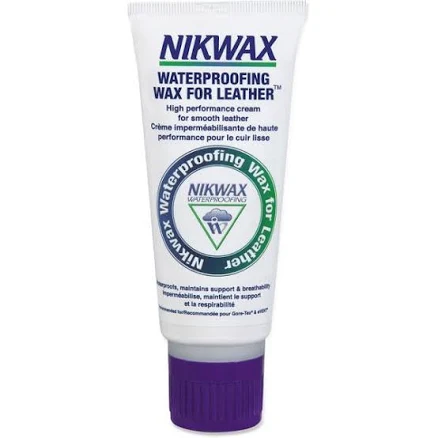
- wax-based waterproofing
- The brand calls it PFAS-free, which we have not verified
- Respiratory irritation or fume inhalation during application
2 hazards checked on this product, all on its full breakdown.
Find an alternative on Amazon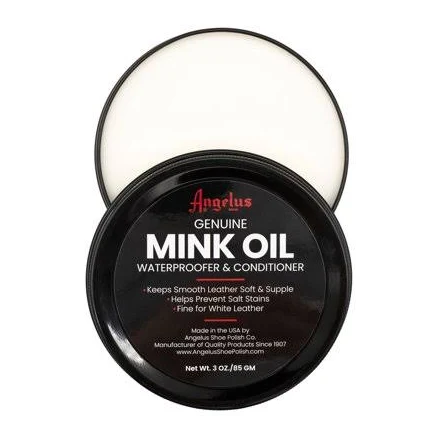
- mink oil paste, natural oil-based conditioner
- We found no PFAS statement from the brand
- Microbial growth (natural oil rancidity)
2 hazards checked on this product, all on its full breakdown.
Find an alternative on Amazon- Polyester with silicone-based water-repellent coating
- The brand calls it PFAS-free, which we have not verified
- Coating degradation and microplastic shedding
2 hazards checked on this product, all on its full breakdown.
Find an alternative on AmazonMore fabric stain guard sprays grades
How we score, every product runs through the same public 0-100 rubric based on materials, coatings, brand disclosure, lab findings, and recalls. See the full methodology → Spotted a mistake? Report an error.