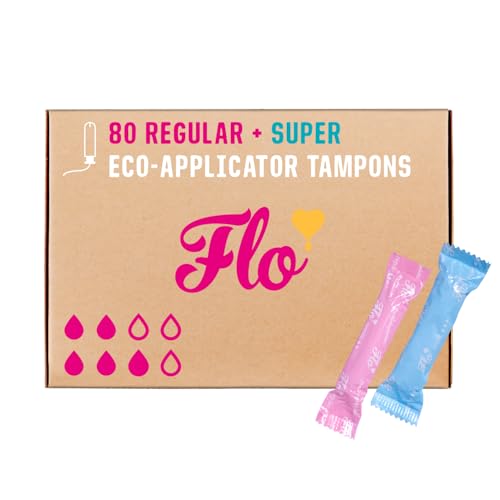
FLO Organic Tampons
Lower concern, but no PFAS disclosure from brand.
FLO Organic Tampons use cotton and rayon, inherently lower PFAS risk materials. Brand does not publicly address PFAS, so verification is absent.
We flunk more products than we pass. This one earned its grade. How we grade
Material
organic cotton, rayon
Brand disclosure
Brand is silent on PFAS
Lab data
No public lab test
You may also be interested in
Top-graded picks in the categories readers replace first, every one scored on the same rubric.

- polypropylene filter housing, carbon/sediment cartridge
- We found no PFAS statement from the brand
- Bacterial growth in spent cartridges
3 hazards checked on this product, all on its full breakdown.

Aquasure
Premier Series 75 GPD Under Sink Reverse Osmosis Water Filtration System
- RO membrane, carbon filters, stainless steel housing
- We found no PFAS statement from the brand
- Bacterial and microbial growth in housing and filters
4 hazards checked on this product, all on its full breakdown.

Avocado
Vegan Mattress
- organic cotton, natural latex, coconut coir, recycled steel coils
- The brand calls it PFAS-free, which we have not verified
- Heavy metals
2 hazards checked on this product, all on its full breakdown.
What FLO Organic Tampons is made of, ingredients and materials
FLO Organic Tampons are constructed from organic cotton and rayon, both cellulose-based fibers that do not inherently contain synthetic additives like BPA, phthalates, or flame retardants. Organic cotton is grown without synthetic pesticides or fertilizers, which reduces residual chemical exposure compared to conventional cotton. Rayon is a regenerated cellulose fiber; while its manufacturing process uses chemical solvents, the final fiber itself is chemically inert and does not leach or off-gas under normal use conditions in the body.
What’s concerning
Category baseline
The starting point for this type of product, before anything specific to this product is counted.
No PFAS disclosure
No public statement from the brand about PFAS in this product.
Microfiber shedding or fiber fragmentation
Cellulose fibers (cotton and rayon) can shed microscopic fibers during insertion, removal, or extended wear; this is not unique to FLO and occurs with all tampons. The clinical significance of fiber shedding inside the vaginal canal is not well established in peer-reviewed literature.
What’s reassuring
Base material not linked to PFAS
The main material recorded for this product is not one associated with PFAS.
Formaldehyde / VOCs
No formaldehyde-releasing finishes or azo dyes have been reported in FLO Organic Tampons; organic cotton and regenerated rayon do not typically require these treatments. Bleaching in conventional tampons can leave trace chlorine residues, but organic products are less commonly treated this way.
Source, ATSDR ↗Pesticide residue
FLO's organic certification indicates adherence to organic farming standards, which exclude synthetic pesticides. Conventional tampons may carry trace pesticide residues; FLO's organic claim mitigates this concern compared to non-organic alternatives.
Source, EPA ↗Bleach or chemical processing residues
No chlorine bleaching or chemical whitening agents have been disclosed by the brand. Organic tampons typically use gentler processing; any residual chemicals from rayon regeneration are not known to leach into body tissues.
Fragrance or irritant additives
FLO Organic Tampons are not marketed as scented or fragranced. No added dyes, perfumes, or allergens have been reported; however, the brand does not provide a complete additive disclosure statement.
How is this PFAS grade calculated?
The brand's record and disclosure
FLO provides organic certification claims but does not publicly disclose detailed testing results, ingredient sourcing, or manufacturing standards beyond the organic designation. The brand has not published a formal PFAS statement or independent third-party certifications (such as by the Responsible Care Program or medical device compliance documentation). No recalls or established controversies regarding FLO Organic Tampons have been documented in public safety records. This silence on transparency is typical for smaller period-care brands but leaves some questions about supply-chain oversight unanswered.
How it compares in its category
Organic cotton tampons are among the lower-chemical-concern options in the market; conventional tampons may carry residual pesticide or herbicide traces, while some brands add synthetic fragrance or chlorine-based bleaching. FLO's use of both organic cotton and rayon (rather than 100 percent cotton) is common and does not elevate hazard compared to similar hybrid products. Competitors with identical material profiles (e.g., Cora, Seventh Generation organic lines) share the same material-chemistry profile but may offer stronger sustainability or supply-chain transparency statements.
If you buy it
Store tampons in a cool, dry place to prevent moisture absorption or microbial growth before use. Follow product insertion and removal instructions to minimize abrasion or fiber shedding inside the vaginal canal. Replace tampons every 4 to 8 hours and alternate with pads during light-flow days to reduce the theoretical risk of toxic shock syndrome (TSS), a rare but serious infection associated with high-absorbency prolonged use. If you experience irritation, odor, or allergic symptoms, discontinue use and consult a healthcare provider.
What is not known about PFAS in this product?
- Basis
- Model estimate, 72% confidence, not a lab result
- Lab test
- None on record for this exact product
- Brand statement
- FLO has made none
Formulations change between production runs, so check the current label. How we grade.
What are the PFAS-free alternatives to FLO Organic Tampons?
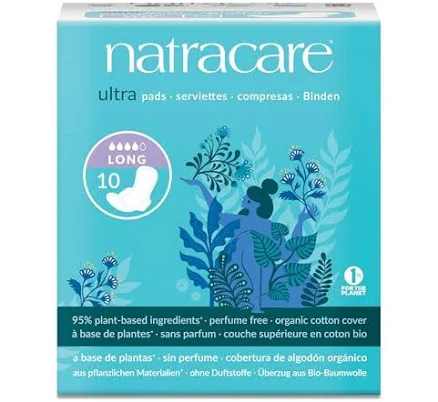
- A third party reports verifying it as PFAS-free
- Fragrance allergens (if scented variant)
2 hazards checked on this product, all on its full breakdown.
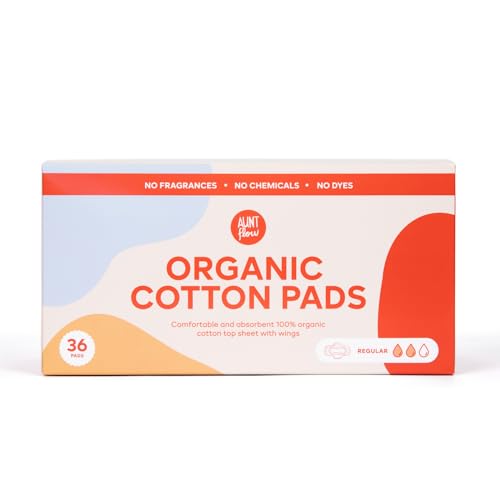
- organic cotton with natural fibers
- The brand calls it PFAS-free, which we have not verified
- Microplastics
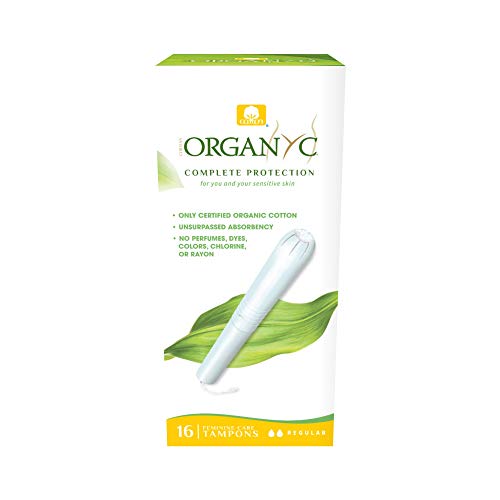
Organyc
100% Certified Organic Cotton Tampons Cardboard Applicator
- 100% organic cotton with cardboard applicator
- We found no PFAS statement from the brand
- Cardboard applicator structural integrity over time
More period care grades
 100Seventh Generation Maxi Pads - Overnight
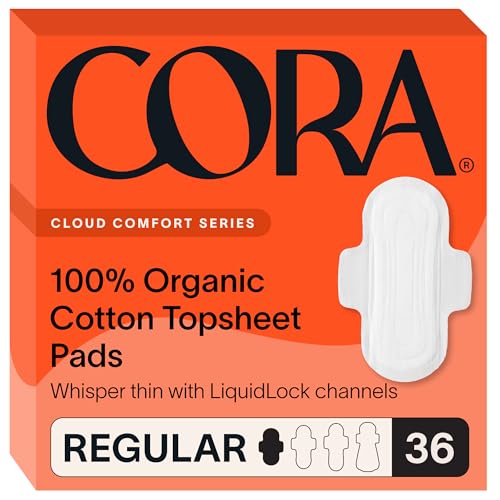 70Cora Organic Cotton Pads
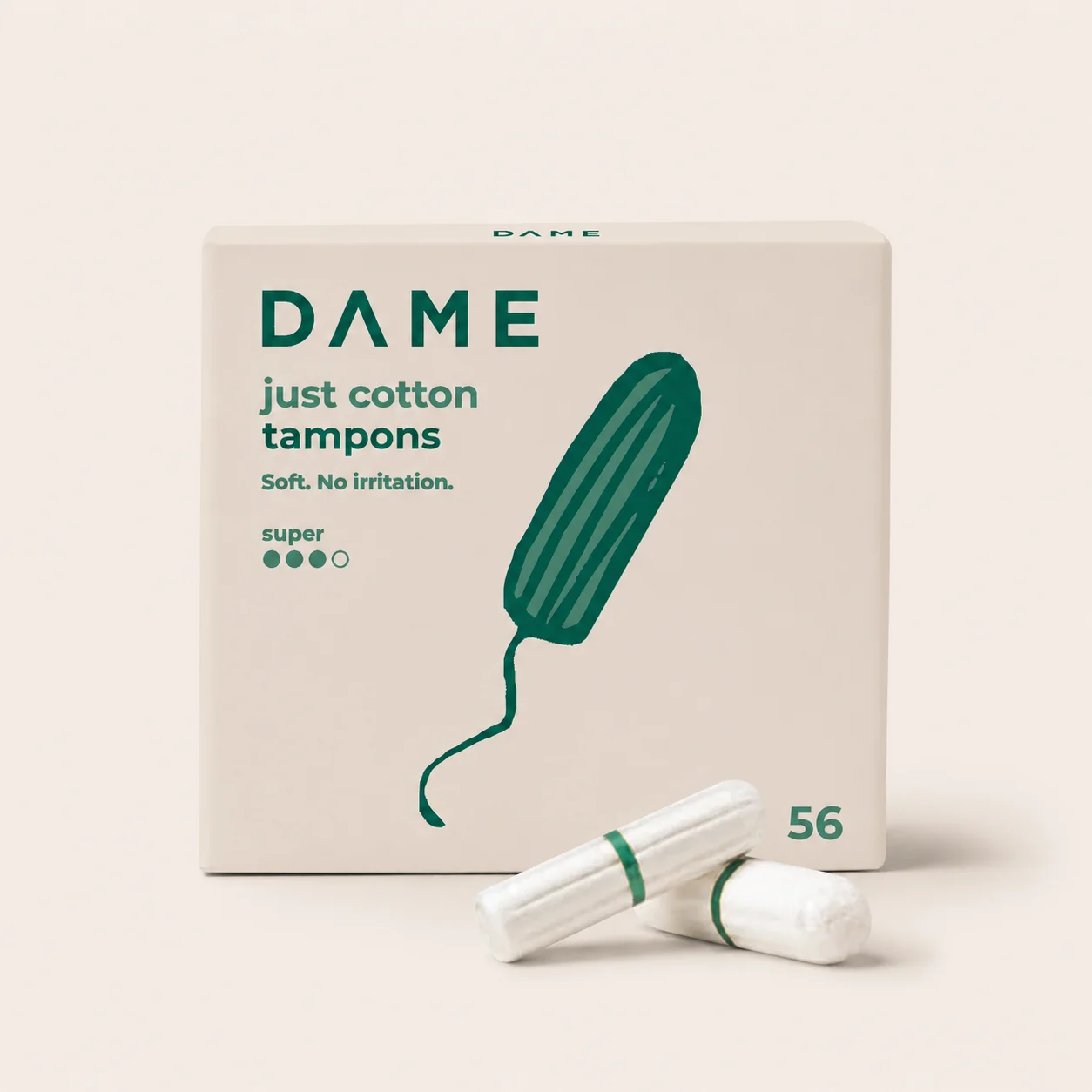 70Dame Organic Cotton Tampons
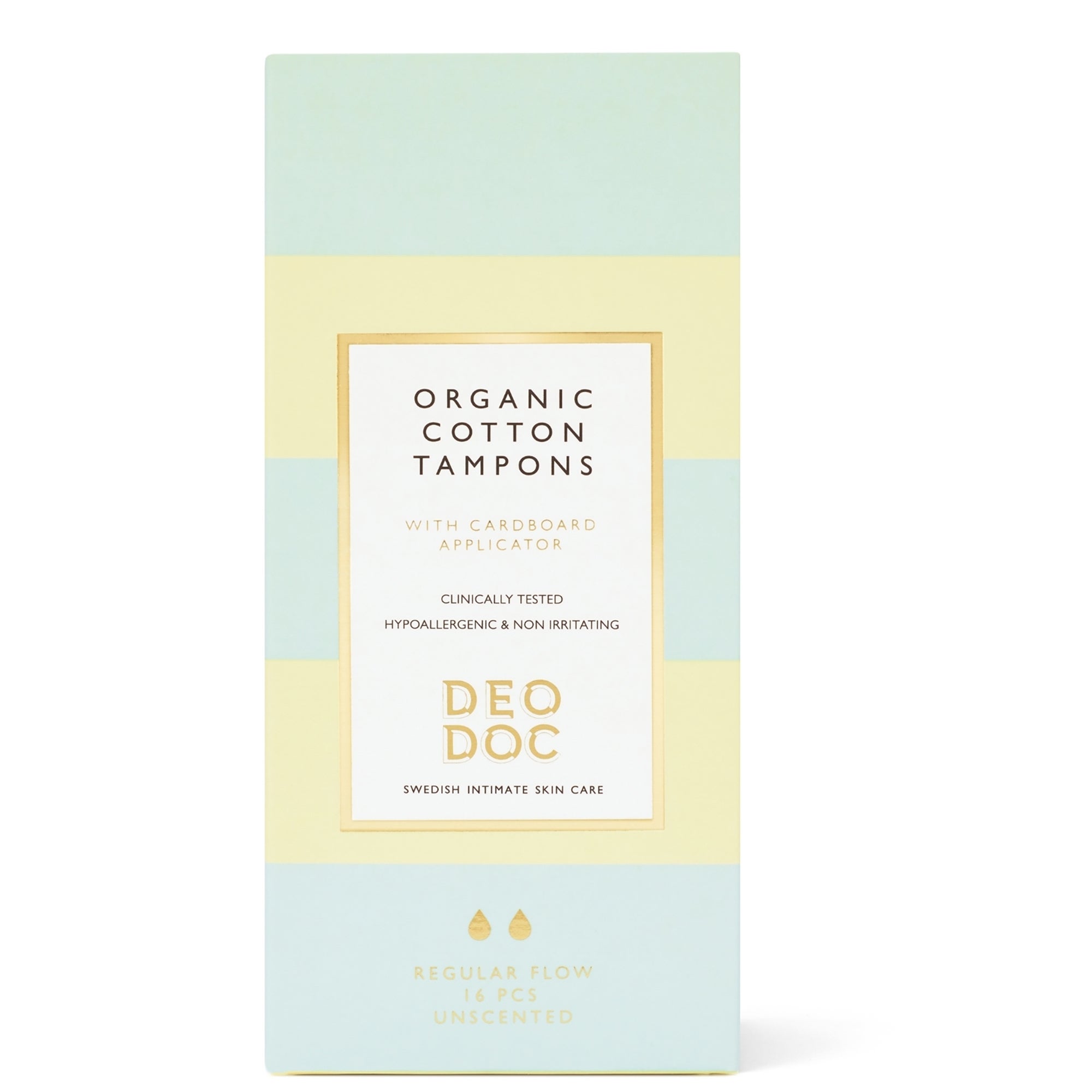 70DeoDoc Cotton Tampons
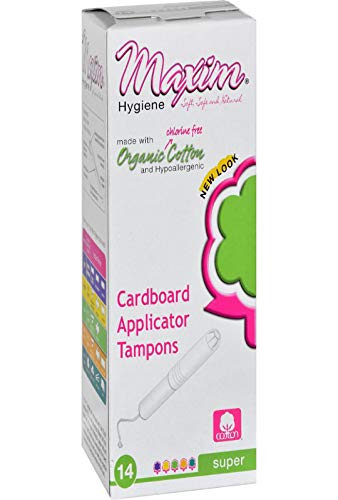 70Maxim Hygiene Organic Cotton Cardboard Applicator Tampons
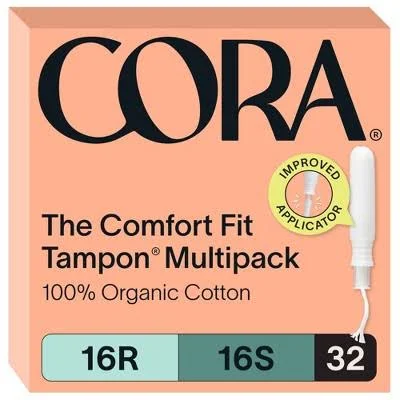 70Cora Organic Tampons
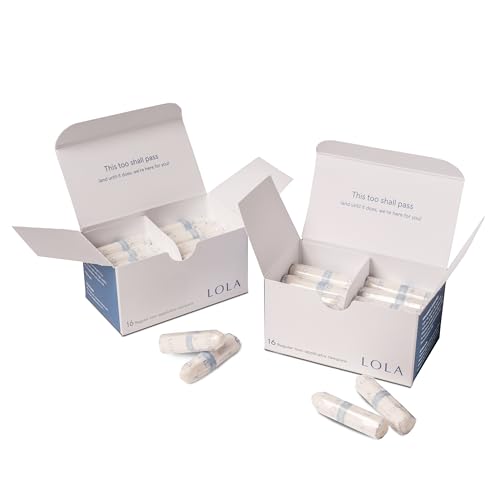 70Lola 100% Organic Cotton Tampons Applicator Free
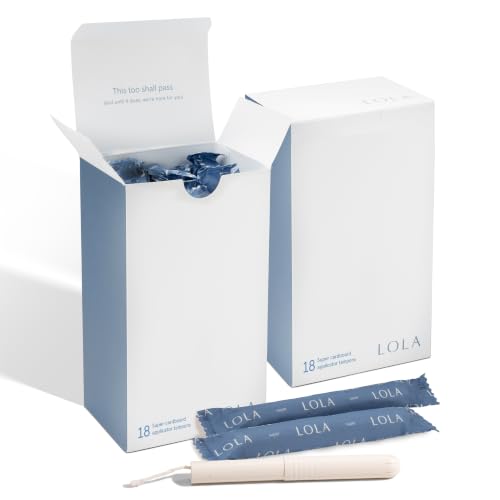 70Lola 100% Organic Cotton Tampons Cardboard Applicator
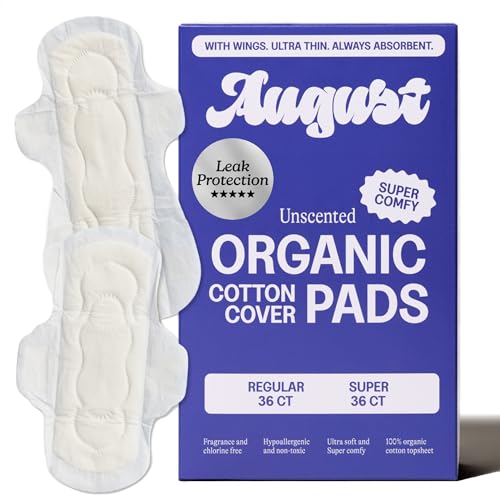 70August Organic Cotton Top Layer Pads, 36-Pack Regular
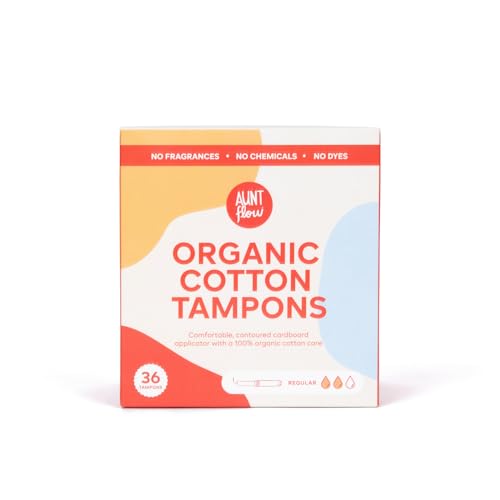 70Aunt Flow Organic Cotton Cardboard Applicator TamponsCompare vs Natracare →All period care →
How we score, every product runs through the same public 0-100 rubric based on materials, coatings, brand disclosure, lab findings, and recalls. See the full methodology → Spotted a mistake? Report an error.