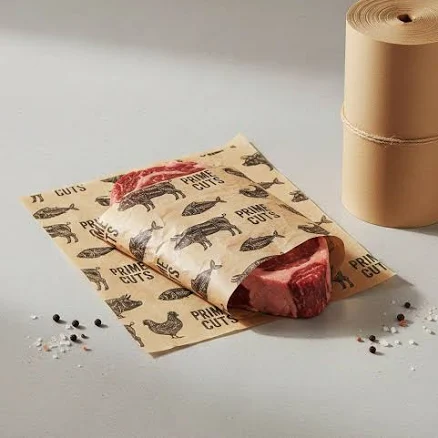
· Grease-Resistant Butcher & Deli Paper
Freezer-Safe Meat Wrapping Paper
Avoid if concerned. Polyethylene coating likely does not contain PFAS but remains unverified.
Standard freezer paper uses polyethylene coating for moisture protection, which is not known to contain PFAS. Higher-risk grease-resistant coatings use fluorochemicals, but polyethylene does not.
The better-graded swap
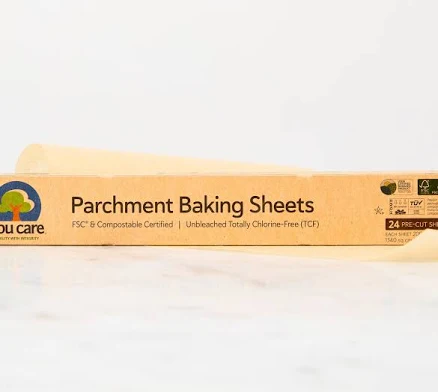
If You Care
If You Care Parchment Baking Paper
90/100 safety
Same rubric that flunked this product. The swap earned Excellent.
Still want this one anyway? Check the price on Amazon. We’d swap it.
Material
kraft paper with polyethylene (PE) coating and wax layer
Brand disclosure
Brand is silent on PFAS
Lab data
No public lab test
You may also be interested in
Top-graded picks in the categories readers replace first, every one scored on the same rubric.

- polypropylene filter housing, carbon/sediment cartridge
- We found no PFAS statement from the brand
- Bacterial growth in spent cartridges
3 hazards checked on this product, all on its full breakdown.

Aquasure
Premier Series 75 GPD Under Sink Reverse Osmosis Water Filtration System
- RO membrane, carbon filters, stainless steel housing
- We found no PFAS statement from the brand
- Bacterial and microbial growth in housing and filters
4 hazards checked on this product, all on its full breakdown.

Avocado
Vegan Mattress
- organic cotton, natural latex, coconut coir, recycled steel coils
- The brand calls it PFAS-free, which we have not verified
- Heavy metals
2 hazards checked on this product, all on its full breakdown.
What Freezer-Safe Meat Wrapping Paper is made of, ingredients and materials
Freezer paper is a kraft paper substrate (cellulose fiber) laminated with a polyethylene (PE) plastic coating on one side, plus a wax layer. The PE coating provides moisture and oxygen barriers critical for freezer storage, preventing freezer burn and dehydration. PE is a low-reactivity plastic with no known leaching of endocrine disruptors under frozen conditions where no heat, acid, or fat solvents are present. The wax layer (typically paraffin or soy-based) adds structural integrity and slip resistance but does not interact significantly with frozen foods.
What’s concerning
Category baseline
The starting point for this type of product, before anything specific to this product is counted.
No PFAS disclosure
No public statement from the brand about PFAS in this product.
Waterproof / stain-resistant treatment
Water-repellent coating treatments have historically used PFAS.
Polyethylene (PE) coating degradation and microplastic shedding
PE coatings can crack or peel during freezing cycles due to thermal stress, particularly at folds. Once compromised, small particles of PE may contact frozen food; risk is low in freezer conditions but increases if paper is crumpled, bent repeatedly, or stored in fluctuating temperatures.
Ink or printing contaminants (if paper is printed)
Some freezer papers feature printed labels or branding on the kraft side. If inks migrate through to the meat-contact (PE-coated) side, food contact is unlikely due to the PE barrier; however, printed papers should be oriented with the PE side facing the meat to eliminate any theoretical risk.
PFAS
Modern PE for food contact typically shows no hazard of PFAS on record, but legacy manufacturing may have used PFOA or PFAS-based surfactants. No testing data from Kroger or Safeway brands is publicly available; the unverified PFAS grade (25/100) reflects this information gap, not confirmed contamination.
Source, ATSDR ↗What’s reassuring
Wax layer composition and food transfer
Paraffin and soy-based waxes are well-established food-contact materials with no documented toxicity at freezer temperatures. No recalls or adverse events linked to wax migration into frozen meat have been identified in public records for any store-brand freezer paper.
Bacterial or mold contamination from paper storage
Freezer paper itself does not create conditions for pathogenic growth if stored in a dry location. Risk arises only from pre-existing contamination of the paper roll or post-use cross-contamination; this is a hygiene issue, not a material hazard.
How is this PFAS grade calculated?
The brand's record and disclosure
Store-brand freezer papers (Kroger, Safeway, etc.) are typically manufactured to minimal regulatory standards and rarely publish material sourcing or PFAS testing data. No recalls specific to freezer paper food safety have been established for these brands in major regulatory databases. These products do not carry third-party certifications (e.g., NSF, FDA approval statements) beyond implicit compliance with FDA food-contact regulations. The silence on PFAS reflects the industry norm; most retailers have not voluntarily disclosed whether PE coatings were produced PFAS-free or may contain legacy PFOA contaminants from manufacturing.
How it compares in its category
Freezer paper occupies a middle ground, lower concern than uncoated kraft paper (which absorbs moisture and allows oxidation) but more heavily regulated than film-only alternatives like polyethylene cling wrap or vacuum-seal bags. Vacuum-seal bags introduce microplastic shedding risk if damaged during heating; freezer paper avoids that by design. Wax-paper-only products (no PE layer) lack the moisture barrier and are less effective for long-term freezer storage. Store-brand freezer paper is functionally equivalent to name-brand (Reynolds, Kirkland) versions; material composition and PFAS risk are comparable across retail tiers.
If you buy it
Use freezer paper at or below freezer temperature (0°F or lower); do not expose to heat or hot foods, as this may accelerate PE coating degradation and potential particle transfer. Replace rolls every 2 to 3 years or if the coating shows visible cracks, brittleness, or separation from the kraft layer. Handle with dry hands; excess moisture can weaken the wax adhesion. For maximum information on PFAS exposure, consider contacting the retailer or manufacturer directly to request documentation of PE sourcing practices; most will not have detailed PFAS data on hand.
What is not known about PFAS in this product?
- Basis
- Model estimate, 65% confidence, not a lab result
- Lab test
- None on record for this exact product
- Brand statement
- has made none
Formulations change between production runs, so check the current label. How we grade.
What are the PFAS-free alternatives to Freezer-Safe Meat Wrapping Paper?
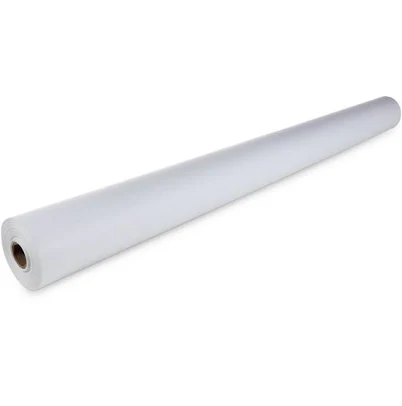
IDL Packaging
White Butcher Paper 18" x 12000" Natural Butcher Paper Roll for Meat and Fish
- unbleached natural kraft paper
- The brand calls it PFAS-free, which we have not verified
- Mold or microbial growth
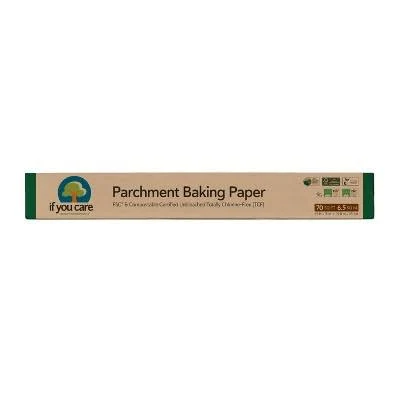
- unbleached parchment paper, silicone coating
- The brand calls it PFAS-free, which we have not verified
- Silicone coating degradation under heat stress
2 hazards checked on this product, all on its full breakdown.
- Silicone-coated parchment paper
- The brand calls it PFAS-free, which we have not verified
- Silicone coating degradation at high heat
More grease-resistant butcher & deli paper grades
How we score, every product runs through the same public 0-100 rubric based on materials, coatings, brand disclosure, lab findings, and recalls. See the full methodology → Spotted a mistake? Report an error.