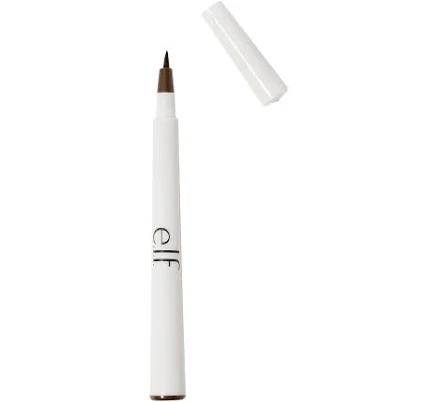
Waterproof Eyeliner (generic)
Medium-high risk. Waterproofing chemistry typically involves PFAS.
Waterproof eyeliners rely on water-resistant formulations that commonly use fluorinated compounds to achieve lasting wear. PFAS use in this category is well-documented.
The better-graded swap
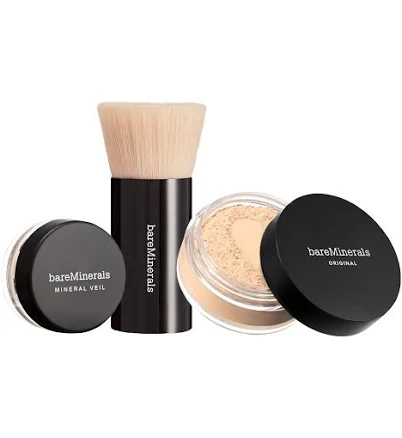
Bare Minerals
bareMinerals Mineral Makeup
100/100 safety
Same rubric that flunked this product. The swap earned Excellent.
Still want this one anyway? Check the price on Amazon. We’d swap it.
You may also be interested in
Top-graded picks in the categories readers replace first, every one scored on the same rubric.

- polypropylene filter housing, carbon/sediment cartridge
- We found no PFAS statement from the brand
- Bacterial growth in spent cartridges
3 hazards checked on this product, all on its full breakdown.

Aquasure
Premier Series 75 GPD Under Sink Reverse Osmosis Water Filtration System
- RO membrane, carbon filters, stainless steel housing
- We found no PFAS statement from the brand
- Bacterial and microbial growth in housing and filters
4 hazards checked on this product, all on its full breakdown.

Avocado
Vegan Mattress
- organic cotton, natural latex, coconut coir, recycled steel coils
- The brand calls it PFAS-free, which we have not verified
- Heavy metals
2 hazards checked on this product, all on its full breakdown.
What Waterproof Eyeliner (generic) is made of, ingredients and materials
Waterproof eyeliners typically use silicone, wax, or film-forming polymers combined with pigments and water-repellent agents to resist moisture. The 'waterproof' function almost always involves fluorinated compounds or PFAS-class chemistry to create water barriers on the eyelid. Without a specific brand or formulation disclosed, the base resin type (synthetic polymer vs. natural wax blend) and pigment sourcing remain unknown, creating gaps in safety assessment for heavy metal content and formaldehyde-releasing preservatives.
What’s concerning
Category baseline
The starting point for this type of product, before anything specific to this product is counted.
No PFAS disclosure
No public statement from the brand about PFAS in this product.
Waterproof / stain-resistant treatment
Water-repellent coating treatments have historically used PFAS.
Lead
Eyeliner pigments, especially in red, yellow, and brown shades, may contain legacy heavy metal colorants. Without brand identity or published heavy metal testing, the risk cannot be ruled out. Eye-area application carries higher systemic exposure risk than products applied elsewhere.
Source, ATSDR ↗Formaldehyde / VOCs
Generic cosmetics of unknown provenance often use cost-effective preservatives such as imidazolidinyl urea or dmdm hydantoin that release formaldehyde over time. Waterproof formulations with extended shelf-life claims are more likely to rely on these agents than shorter-lived natural products.
Source, ATSDR ↗1,4-dioxane contamination
Synthetic polymer-based waterproof eyeliners may contain trace 1,4-dioxane as a byproduct of emulsifier synthesis or solvent processing. This is a known manufacturing contaminant in cosmetics, though typically at low parts-per-million levels in finished products.
Contact dermatitis and sensitization from fragrance or colorants
Unidentified fragrance compounds or azo dyes in generic eyeliners pose allergic contact dermatitis risk, especially in products claiming long-wear or waterproof properties. The eye area is a sensitive zone with high absorption potential.
Polymer degradation and leaching over product lifespan
Waterproof eyeliners are exposed to heat, humidity, and eye moisture; the polymer coating may degrade over months, potentially releasing uncrosslinked oligomers or residual monomers. Heat storage (bathroom cabinets) accelerates this process.
How is this PFAS grade calculated?
The brand's record and disclosure
No brand is specified for this generic product, so there is no established disclosure history, third-party certifications, or known controversies on record. A generic waterproof eyeliner purchase gives no assurance of ingredient transparency, PFAS-free claims, or heavy metal testing. To reduce risk, seek products with explicit ingredient lists, third-party safety certifications (e.g., Dermatest, EWG verified), or manufacturer commitments to PFAS phase-out.
How it compares in its category
Waterproof eyeliners are higher-risk cosmetics than standard pencils or liquids because waterproofing almost always requires PFAS or silicone-based chemistry. Gel and cream eyeliners without waterproof claims tend to use simpler wax and oil bases with lower PFAS likelihood. Liquid liners marketed as waterproof are particularly prone to contain fluorinated polymers; pencil versions may use simpler formulations but still require verification.
If you buy it
Apply only to the eyelid margin and lash line; avoid contact with mucous membranes or abraded skin to limit systemic absorption of any heavy metals or irritant compounds. Replace if the product hardens, becomes sticky, or shows color separation, as degradation may increase leaching of preservatives or pigments. Store in a cool, dry place away from direct heat to prevent accelerated breakdown of the polymer matrix. Request the full ingredient list from the seller before purchase to screen for known formaldehyde releasers (imidazolidinyl urea, dmdm hydantoin) or heavy metal pigments.
What is not known about PFAS in this product?
- Basis
- Model estimate, 100% confidence, not a lab result
- Lab test
- None on record for this exact product
- Brand statement
- Generic has made a specific claim
Formulations change between production runs, so check the current label. How we grade.
What are the PFAS-free alternatives to Waterproof Eyeliner (generic)?
- The brand calls it PFAS-free, which we have not verified
- Lead
3 hazards checked on this product, all on its full breakdown.
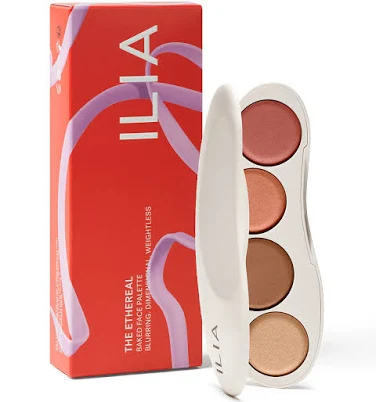
- We found no PFAS statement from the brand
- Heavy metals
2 hazards checked on this product, all on its full breakdown.
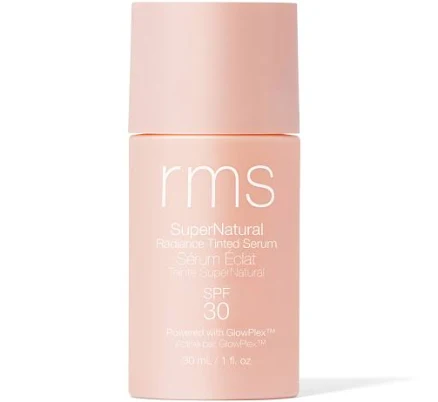
- We found no PFAS statement from the brand
- Fragrance allergens and essential oils
2 hazards checked on this product, all on its full breakdown.
More cosmetics grades
How we score, every product runs through the same public 0-100 rubric based on materials, coatings, brand disclosure, lab findings, and recalls. See the full methodology → Spotted a mistake? Report an error.