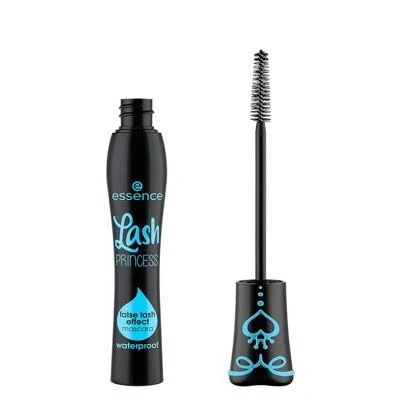
Waterproof Mascara (generic)
Medium-high risk. Waterproofing ingredients typically require PFAS.
Waterproof mascaras typically use water-resistant polymers that often involve fluorinated chemistry to repel water. These formulations frequently contain PFAS compounds.
The better-graded swap
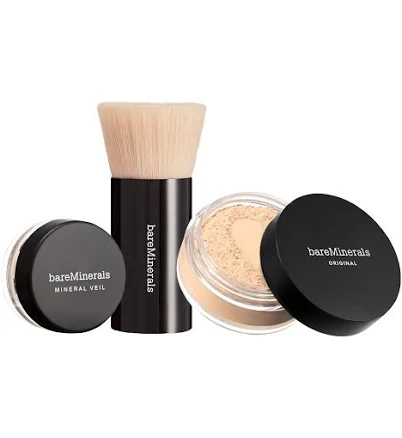
Bare Minerals
bareMinerals Mineral Makeup
100/100 safety
Same rubric that flunked this product. The swap earned Excellent.
Still want this one anyway? Check the price on Amazon. We’d swap it.
You may also be interested in
Top-graded picks in the categories readers replace first, every one scored on the same rubric.

- polypropylene filter housing, carbon/sediment cartridge
- We found no PFAS statement from the brand
- Bacterial growth in spent cartridges
3 hazards checked on this product, all on its full breakdown.

Aquasure
Premier Series 75 GPD Under Sink Reverse Osmosis Water Filtration System
- RO membrane, carbon filters, stainless steel housing
- We found no PFAS statement from the brand
- Bacterial and microbial growth in housing and filters
4 hazards checked on this product, all on its full breakdown.

Avocado
Vegan Mattress
- organic cotton, natural latex, coconut coir, recycled steel coils
- The brand calls it PFAS-free, which we have not verified
- Heavy metals
2 hazards checked on this product, all on its full breakdown.
What Waterproof Mascara (generic) is made of, ingredients and materials
Waterproof mascaras typically combine film-forming polymers (often acrylates or silicones), pigments (iron oxides, ultramarines, or synthetic colorants), waxes, and water-resistant binders. The waterproofing mechanism usually relies on silicone resins or fluorinated compounds to repel moisture, which is why PFAS contamination is common in this category. Without brand-specific ingredient disclosure, the exact resin chemistry is unknown, making evaluation of non-PFAS hazards incomplete.
What’s concerning
Category baseline
The starting point for this type of product, before anything specific to this product is counted.
No PFAS disclosure
No public statement from the brand about PFAS in this product.
Waterproof / stain-resistant treatment
Water-repellent coating treatments have historically used PFAS.
Formaldehyde / VOCs
Waterproof mascaras often use imidazolidinyl urea or dmdm hydantoin as preservatives to prevent microbial growth in the water-resistant formulation. These compounds release low levels of formaldehyde over time and may trigger contact dermatitis or eye irritation in sensitive individuals.
Source, ATSDR ↗Lead
Iron oxide colorants and synthetic pigments in generic mascaras may carry trace heavy metal contaminants from raw material sourcing or manufacturing. FDA does not enforce a zero-tolerance limit for lead in cosmetics; generic products without third-party testing have higher risk of exceedance.
Source, ATSDR ↗1,4-dioxane contamination
Polymer emulsifiers and surfactants used in waterproof mascaras can be contaminated with 1,4-dioxane, a probable human carcinogen, as a manufacturing byproduct. Generic formulations lacking brand-level quality control are more likely to retain this contaminant.
Fragrance allergens and sensitizers
Many mascaras include fragrance or masking agents to reduce chemical odor. Generic products often list fragrance only as 'parfum' without disclosing specific allergens like limonene, linalool, or cinnamal, increasing risk of ocular or dermal sensitization.
Bacterial or fungal growth if tube remains open or is reused
Mascara tubes are warm, moist environments ideal for bacterial and fungal proliferation. Generic mascaras with inconsistent preservative efficacy carry higher infection risk if cap is left open or the product is applied with shared brushes.
How is this PFAS grade calculated?
The brand's record and disclosure
Generic products lack identifiable brand history or public disclosure practices. Most generic cosmetics do not publish full ingredient sourcing, supplier audits, or heavy metal testing results. Without certification marks (such as Leaping Bunny for cruelty, COSMOS for organic standards, or EWG Verified for transparency), there is no third-party accountability. Purchase decisions depend entirely on reading the small-print ingredient list on the product label itself.
How it compares in its category
Waterproof mascaras as a class carry inherently higher PFAS risk than water-soluble alternatives because waterproofing demands moisture barriers. Water-soluble mascaras avoid fluorinated polymers but sacrifice longevity. Generic versions typically offer lower price but also lower transparency compared to established brands that publish safety data sheets or pursue third-party certifications. If PFAS exposure is a concern, water-soluble or oil-based mascaras are a lower-risk category choice.
If you buy it
Check the full ingredient list for formaldehyde-releasers (imidazolidinyl urea, dmdm hydantoin) and avoid products listing only vague terms like 'mineral pigments' without color index numbers. Apply only to lashes, never around eyes or on eyelids, to minimize skin contact. Replace every three months to prevent bacterial growth in the mascara tube. Store upright with the cap sealed tightly to reduce air exposure and product degradation.
What is not known about PFAS in this product?
- Basis
- Model estimate, 100% confidence, not a lab result
- Lab test
- None on record for this exact product
- Brand statement
- Generic has made a specific claim
Formulations change between production runs, so check the current label. How we grade.
What are the PFAS-free alternatives to Waterproof Mascara (generic)?
- The brand calls it PFAS-free, which we have not verified
- Lead
3 hazards checked on this product, all on its full breakdown.
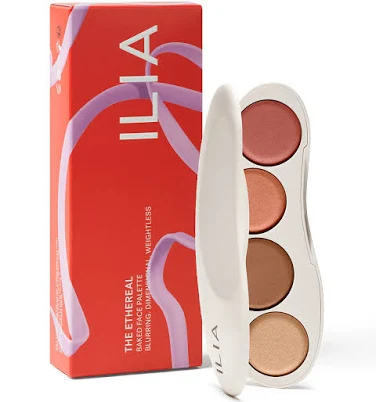
- We found no PFAS statement from the brand
- Heavy metals
2 hazards checked on this product, all on its full breakdown.
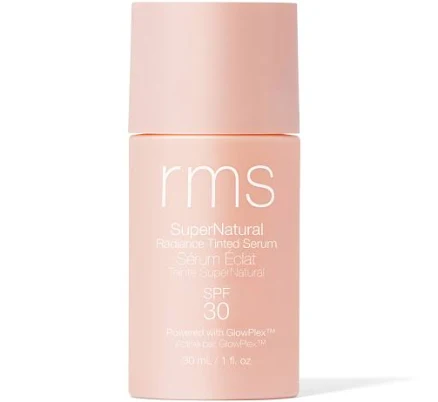
- We found no PFAS statement from the brand
- Fragrance allergens and essential oils
2 hazards checked on this product, all on its full breakdown.
More cosmetics grades
How we score, every product runs through the same public 0-100 rubric based on materials, coatings, brand disclosure, lab findings, and recalls. See the full methodology → Spotted a mistake? Report an error.