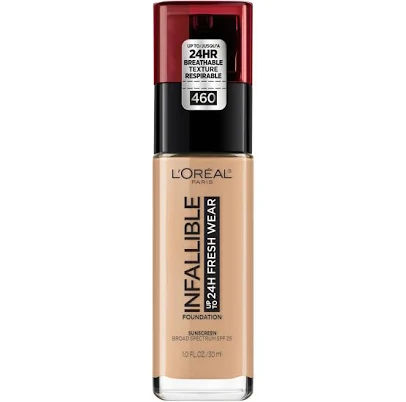
L'Oréal Foundation
Medium risk. Foundation formulas may contain PFAS-based polymers.
L'Oréal foundation products may include water-resistant or long-wear polymers that use fluorinated chemistry. The brand hasn't publicly disclosed PFAS avoidance.
The better-graded swap
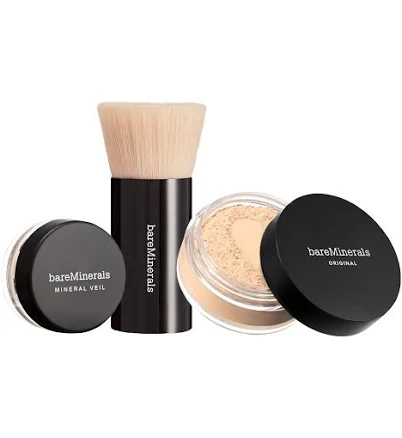
Bare Minerals
bareMinerals Mineral Makeup
100/100 safety
Same rubric that flunked this product. The swap earned Excellent.
Still want this one anyway? Check the price on Amazon. We’d swap it.
You may also be interested in
Top-graded picks in the categories readers replace first, every one scored on the same rubric.

- polypropylene filter housing, carbon/sediment cartridge
- We found no PFAS statement from the brand
- Bacterial growth in spent cartridges
3 hazards checked on this product, all on its full breakdown.

Aquasure
Premier Series 75 GPD Under Sink Reverse Osmosis Water Filtration System
- RO membrane, carbon filters, stainless steel housing
- We found no PFAS statement from the brand
- Bacterial and microbial growth in housing and filters
4 hazards checked on this product, all on its full breakdown.

Avocado
Vegan Mattress
- organic cotton, natural latex, coconut coir, recycled steel coils
- The brand calls it PFAS-free, which we have not verified
- Heavy metals
2 hazards checked on this product, all on its full breakdown.
What L'Oréal Foundation is made of, ingredients and materials
L'Oréal Foundation formulations typically contain water, silicones, pigments, preservatives, and binders. The specific formula varies by product line (True Match, Infallible, etc.), but most are water-based or silicone-based emulsions designed for long wear and coverage. Silicone polymers provide texture and adherence; preservatives prevent microbial growth during use. The PFAS concern stems from potential inclusion of fluorinated polymers or water-repellent additives common in long-wear formulations, which are not always disclosed on ingredient labels.
What’s concerning
Category baseline
The starting point for this type of product, before anything specific to this product is counted.
No PFAS disclosure
No public statement from the brand about PFAS in this product.
Unknown / proprietary coating
A coating is recorded with no disclosed chemistry.
1,4-dioxane (solvent/emulsifier contaminant)
Common trace contaminant in cosmetics from ethoxylated emulsifiers, not always disclosed. L'Oréal foundations may contain such emulsifiers; independent testing by third parties is limited.
Heavy metals
Pigments in foundations have been found in trace amounts to contain lead, cadmium, or arsenic in various brands' testing. L'Oréal sources have not published specific heavy metal testing results for this product line; risk remains within industry baseline but unverified for this SKU.
Source, FDA ↗Fragrance allergens (undisclosed components)
L'Oréal foundations typically contain fragrance compounds listed only as 'Fragrance' on label. Limonene, linalool, and other sensitizers may be present; no product-specific allergen breakdown is published.
Formaldehyde / VOCs
Some L'Oréal foundations may contain preservatives like imidazolidinyl urea or DMDM hydantoin, which release trace formaldehyde. Not all formulations; depends on specific product line variant.
Source, ATSDR ↗What’s reassuring
Mica and talc contamination (if present)
L'Oréal foundations generally use mica as a pigment brightener rather than talc, reducing asbestos contamination risk. No recalls or public contamination reports specific to L'Oréal powder or cream foundations on this issue.
How is this PFAS grade calculated?
The brand's record and disclosure
L'Oréal is owned by a conglomerate with mixed transparency on PFAS and other chemical disclosures. The brand does not prominently publish PFAS avoidance commitments or third-party testing results for this product line. L'Oréal foundations are not certified organic or by independent safety bodies like EWG Verified. The company has faced scrutiny over vague fragrance and preservative disclosures but maintains compliance with regulatory limits in major markets (EU, US, Canada).
How it compares in its category
L'Oréal foundations sit in the mainstream commercial segment; competitors like Maybelline, Revlon, and MAC operate under similar formulation practices and disclosure standards. Some indie and natural brands (Bare Minerals, RMS Beauty) explicitly avoid silicones and synthetic polymers, reducing PFAS exposure likelihood. L'Oréal's long-wear emphasis makes PFAS polymer use somewhat more probable than in minimalist formulas, though not unique to this brand.
If you buy it
Apply sparingly to avoid buildup; foundations can accumulate in pores and contribute to irritation if used excessively. Remove with micellar water or cleanser daily; prolonged wear (over 12 hours) increases skin contact time with all additives. Store in a cool, dry place away from direct heat; silicone and pigment stability declines above 25C (77F). If skin irritation or rashes develop, discontinue and patch-test on inner forearm before reuse. Replace every 6-12 months to limit bacterial or mold contamination risk, especially if water contact occurs.
What is not known about PFAS in this product?
- Basis
- Model estimate, 100% confidence, not a lab result
- Lab test
- None on record for this exact product
- Brand statement
- L'Oréal has made a specific claim
Formulations change between production runs, so check the current label. How we grade.
What are the PFAS-free alternatives to L'Oréal Foundation?
- The brand calls it PFAS-free, which we have not verified
- Lead
3 hazards checked on this product, all on its full breakdown.
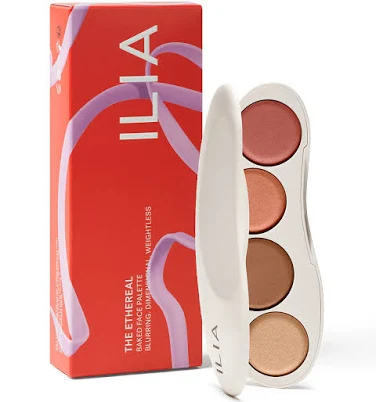
- We found no PFAS statement from the brand
- Heavy metals
2 hazards checked on this product, all on its full breakdown.
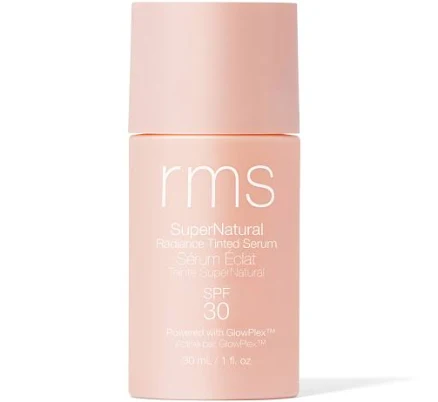
- We found no PFAS statement from the brand
- Fragrance allergens and essential oils
2 hazards checked on this product, all on its full breakdown.
More cosmetics grades
How we score, every product runs through the same public 0-100 rubric based on materials, coatings, brand disclosure, lab findings, and recalls. See the full methodology → Spotted a mistake? Report an error.