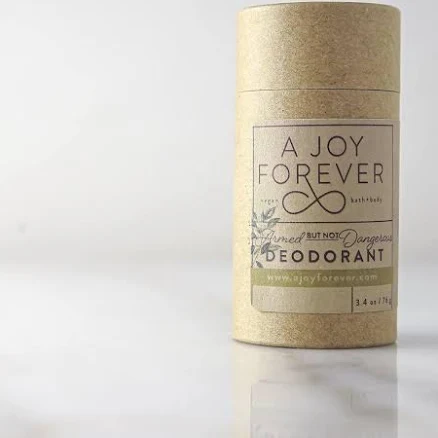
Aluminum-Free Probiotic Deodorant
Low-Medium risk from formulation with no known PFAS risk factors.
The probiotic powder formula uses conventional materials without nonstick coatings or durable water repellency. Brand offers no PFAS-free status or third-party verification.
We flunk more products than we pass. This one earned its grade. How we grade
Material
Probiotic powder, natural oils, starch-based base
Brand disclosure
Brand is silent on PFAS
Lab data
No public lab test
You may also be interested in
Top-graded picks in the categories readers replace first, every one scored on the same rubric.

- polypropylene filter housing, carbon/sediment cartridge
- We found no PFAS statement from the brand
- Bacterial growth in spent cartridges
3 hazards checked on this product, all on its full breakdown.

Aquasure
Premier Series 75 GPD Under Sink Reverse Osmosis Water Filtration System
- RO membrane, carbon filters, stainless steel housing
- We found no PFAS statement from the brand
- Bacterial and microbial growth in housing and filters
4 hazards checked on this product, all on its full breakdown.

Avocado
Vegan Mattress
- organic cotton, natural latex, coconut coir, recycled steel coils
- The brand calls it PFAS-free, which we have not verified
- Heavy metals
2 hazards checked on this product, all on its full breakdown.
What Aluminum-Free Probiotic Deodorant is made of, ingredients and materials
Probiotic deodorant is a powder-based formulation using beneficial bacterial strains, natural oils (typically coconut or similar), and starch binders instead of aluminum compounds. The probiotic mechanism relies on odor-eating bacteria rather than antiperspirant chemistry, which eliminates the need for neurotoxicity concerns associated with aluminum chlorohydrate. Starch bases are inert and non-absorbed through skin, posing minimal leaching risk compared to gel or roll-on formats that can trap moisture and create degradation byproducts.
What’s concerning
Category baseline
The starting point for this type of product, before anything specific to this product is counted.
No PFAS disclosure
No public statement from the brand about PFAS in this product.
Microbial contamination (bacterial viability loss)
Probiotic formulations depend on living cultures to function; if improperly stored or contaminated post-manufacture, non-beneficial bacteria could proliferate. No testing data from available to rule this out.
Fragrance allergens (essential oils)
Natural oils in the formula (coconut, essential oils for scent) can trigger contact dermatitis or respiratory sensitivity in susceptible individuals. Fragrance composition is not fully disclosed.
Starch base mold growth if humid storage
Starch is a carbohydrate and potential substrate for mold if exposed to high humidity. Consumer storage conditions, not brand control, are the primary risk factor here.
What’s reassuring
Base material not linked to PFAS
The main material recorded for this product is not one associated with PFAS.
Heavy metals
If talc, mica, or other mineral powders are used as carriers, they could trace contaminate with lead or cadmium. The brand does not specify mineral sources; no contamination reported in literature.
Source, FDA ↗Formaldehyde / VOCs
Powder formats require minimal preservatives due to low water content. No evidence that the brand uses formaldehyde-releasing preservatives, which are uncommon in dry cosmetics.
Source, ATSDR ↗How is this PFAS grade calculated?
The brand's record and disclosure
The brand markets itself as a natural, sustainable brand with focus on minimal ingredient transparency and plastic-free packaging. The company does not publish detailed third-party certifications (e.g., COSMOS, NSF) or heavy metal testing data on their deodorant line, which is typical for small natural brands but limits independent verification. No recalls, safety warnings, or contamination incidents are on public record for this product. Brand has not issued a formal PFAS stance, leaving sourcing of oils and preservatives unaudited.
How it compares in its category
Powder deodorants generally carry lower hazard profiles than aluminum-based antiperspirants or spray formats; this product sits in the lower concern segment. Most competing probiotic deodorants (Schmidt's, Healthy Deodorant) use similar bacterial and plant-oil formulas, so the brand is category-typical in risk. Unlike conventional stick deodorants, powder formats avoid plasticizer leaching and coating breakdown, though they require dry application and are not waterproof, limiting convenience.
If you buy it
Store in a cool, dry place away from moisture to prevent bacterial culture degradation and clumping; humidity can reduce probiotic viability. Shake well before each use to distribute spores evenly. Replace every 6-12 months depending on frequency of use, as live bacterial cultures lose potency over time. If skin irritation develops, discontinue use; probiotic strains can trigger reactions in sensitive individuals, though this is rare. Do not use on broken or freshly shaved skin.
What is not known about PFAS in this product?
- Basis
- Model estimate, 78% confidence, not a lab result
- Lab test
- None on record for this exact product
- Brand statement
- has made none
Formulations change between production runs, so check the current label. How we grade.
What are the PFAS-free alternatives to Aluminum-Free Probiotic Deodorant?
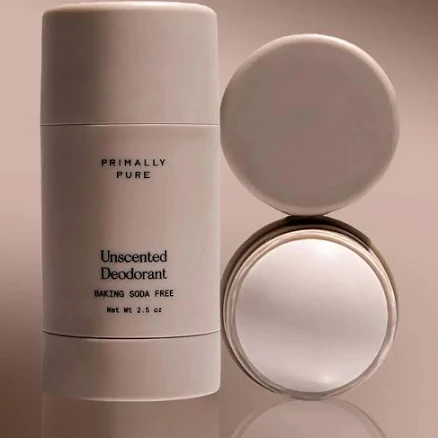
- mineral-based powder blend (arrowroot, magnesium hydroxide, mica)
- We found no PFAS statement from the brand
- Skin irritation from magnesium hydroxide alkalinity
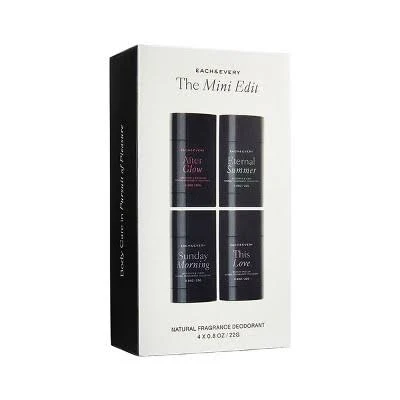
- cosmetic formulations, primary ingredients listed
- A third party reports verifying it as PFAS-free
- Fragrance allergens (natural essential oils)
2 hazards checked on this product, all on its full breakdown.
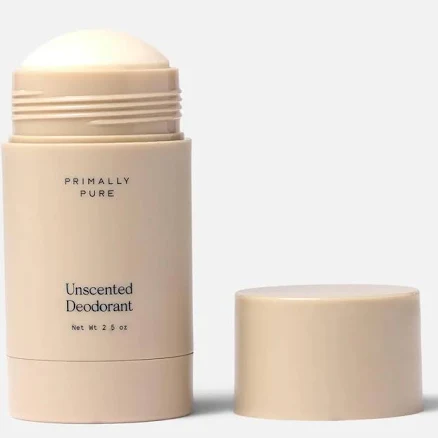
- natural mineral powders, plant-based actives, beeswax
- We found no PFAS statement from the brand
- Beeswax purity and contamination
2 hazards checked on this product, all on its full breakdown.
More deodorant grades
How we score, every product runs through the same public 0-100 rubric based on materials, coatings, brand disclosure, lab findings, and recalls. See the full methodology → Spotted a mistake? Report an error.