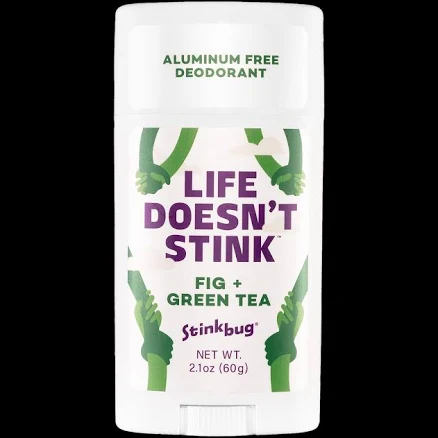
Fig + Green Tea Deodorant
Low-Medium risk powder deodorant unlikely to contain intentional fluorochemicals.
This powder deodorant has no disclosed PFAS treatment or waterproofing and the brand makes no PFAS claims. Powder cosmetics rarely require Teflon-type coating or water-repellent coating coatings.
We flunk more products than we pass. This one earned its grade. How we grade
Material
Powder-based deodorant (mineral/talc/starch base)
Brand disclosure
Brand is silent on PFAS
Lab data
No public lab test
You may also be interested in
Top-graded picks in the categories readers replace first, every one scored on the same rubric.

- polypropylene filter housing, carbon/sediment cartridge
- We found no PFAS statement from the brand
- Bacterial growth in spent cartridges
3 hazards checked on this product, all on its full breakdown.

Aquasure
Premier Series 75 GPD Under Sink Reverse Osmosis Water Filtration System
- RO membrane, carbon filters, stainless steel housing
- We found no PFAS statement from the brand
- Bacterial and microbial growth in housing and filters
4 hazards checked on this product, all on its full breakdown.

Avocado
Vegan Mattress
- organic cotton, natural latex, coconut coir, recycled steel coils
- The brand calls it PFAS-free, which we have not verified
- Heavy metals
2 hazards checked on this product, all on its full breakdown.
What Fig + Green Tea Deodorant is made of, ingredients and materials
This is a powder-based deodorant likely combining talc or arrowroot starch with mineral absorbents (possibly magnesium oxide or zinc oxide) and fragrance compounds (fig and green tea extracts/oils). Powder deodorants avoid the polymer coatings and propellants found in aerosols and stick formulas, reducing exposure to volatile organics and synthetic binders. The mineral base itself is chemically inert once applied to skin, though the quality of sourcing and processing determines whether trace contaminants are present.
What’s concerning
Category baseline
The starting point for this type of product, before anything specific to this product is counted.
No PFAS disclosure
No public statement from the brand about PFAS in this product.
Heavy metals
If the base is talc rather than arrowroot, contamination risk exists depending on ore source and processing. The brand does not publicly disclose talc sourcing or asbestos testing. Modern talc mining in regulated regions is generally asbestos-free, but independent verification is absent here.
Source, FDA ↗Fragrance allergens (fig and green tea extracts)
Natural fragrance compounds in botanical deodorants can trigger contact dermatitis or sensitization, especially in high concentrations. Fig and green tea extracts contain compounds (psoralens, tannins) that may cause photosensitivity or irritation in sensitive individuals. No ingredient concentration data is publicly available for this product.
Bacterial growth (moisture entrapment)
Powder formulas stored in humid bathrooms or applied to damp skin can promote bacterial and fungal colonization within the container. This is a handling and storage issue rather than a formulation defect, but risk is standard for all loose powders.
Inhalation hazard (airborne powder particles)
Repeated inhalation of fine mineral powder (talc or arrowroot) during application can deposit particles in respiratory airways. Risk is low with typical use but increases with frequent direct inhalation or use in poorly ventilated spaces. No warning label is standard in this category.
What’s reassuring
Base material not linked to PFAS
The main material recorded for this product is not one associated with PFAS.
Heavy metals
Mineral-based deodorants may contain trace heavy metals depending on filler quality. The brand does not publicly disclose heavy metal testing results. Skin absorption from topical powder application is minimal unless skin barrier is compromised.
Source, FDA ↗How is this PFAS grade calculated?
The brand's record and disclosure
The brand markets itself as a natural/organic brand with minimal synthetic inputs, but maintains silence on PFAS risk assessment and third-party testing. The brand does not publicly document heavy metal screening, talc purity verification, or independent safety certifications (e.g., EWG Verified, NSF Organic). No major recalls or safety controversies are on record for this specific product line. Transparency is limited compared to mainstream competitors.
How it compares in its category
Powder deodorants as a class carry lower systemic toxicity risk than antiperspirant sticks (which contain aluminum salts) and aerosols (which carry VOC and propellant exposure). Among powder alternatives, this product sits mid-range, more transparent than mass-market mineral powders, less verified than lab-tested indie brands. Typical concerns in the category (talc asbestos contamination, heavy metals in mineral fillers) apply here at standard baseline risk.
If you buy it
Store in a cool, dry location away from humidity to prevent clumping and bacterial growth in the powder. Apply sparingly to clean, dry skin; excess powder offers no added benefit and increases inhalation risk during application. Replace after 6-12 months or if odor develops in the container (sign of microbial colonization). Do not inhale directly from the container; use a dispenser or closed applicator to minimize airborne particle exposure.
What is not known about PFAS in this product?
- Basis
- Model estimate, 78% confidence, not a lab result
- Lab test
- None on record for this exact product
- Brand statement
- has made none
Formulations change between production runs, so check the current label. How we grade.
What are the PFAS-free alternatives to Fig + Green Tea Deodorant?
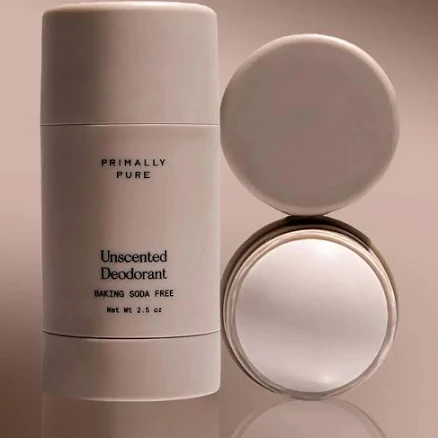
- mineral-based powder blend (arrowroot, magnesium hydroxide, mica)
- We found no PFAS statement from the brand
- Skin irritation from magnesium hydroxide alkalinity
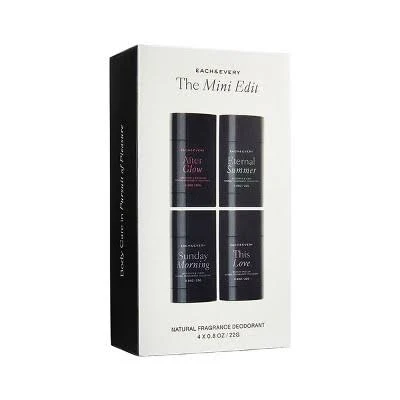
- cosmetic formulations, primary ingredients listed
- A third party reports verifying it as PFAS-free
- Fragrance allergens (natural essential oils)
2 hazards checked on this product, all on its full breakdown.
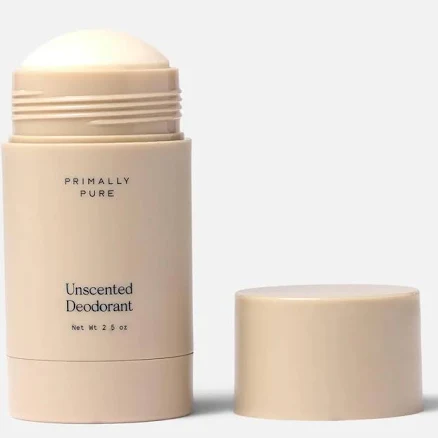
- natural mineral powders, plant-based actives, beeswax
- We found no PFAS statement from the brand
- Beeswax purity and contamination
2 hazards checked on this product, all on its full breakdown.
More deodorant grades
How we score, every product runs through the same public 0-100 rubric based on materials, coatings, brand disclosure, lab findings, and recalls. See the full methodology → Spotted a mistake? Report an error.