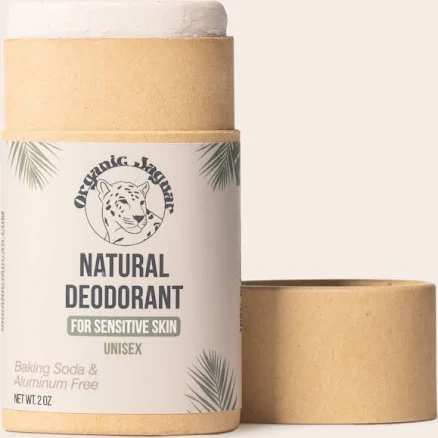
Natural Deodorant Long-Lasting Toxin-Free Odor Control
Low-Medium risk from natural ingredients with no established PFAS exposure.
This natural deodorant relies on baking soda, arrowroot, oils and waxes without waterproofing claims that would trigger PFAS use. The brand provides no public PFAS testing or policy disclosure.
We flunk more products than we pass. This one earned its grade. How we grade
Material
Sodium bicarbonate, arrowroot, plant oils, natural waxes
Brand disclosure
Brand is silent on PFAS
Lab data
No public lab test
You may also be interested in
Top-graded picks in the categories readers replace first, every one scored on the same rubric.

- polypropylene filter housing, carbon/sediment cartridge
- We found no PFAS statement from the brand
- Bacterial growth in spent cartridges
3 hazards checked on this product, all on its full breakdown.

Aquasure
Premier Series 75 GPD Under Sink Reverse Osmosis Water Filtration System
- RO membrane, carbon filters, stainless steel housing
- We found no PFAS statement from the brand
- Bacterial and microbial growth in housing and filters
4 hazards checked on this product, all on its full breakdown.

Avocado
Vegan Mattress
- organic cotton, natural latex, coconut coir, recycled steel coils
- The brand calls it PFAS-free, which we have not verified
- Heavy metals
2 hazards checked on this product, all on its full breakdown.
What Natural Deodorant Odor Control is made of, ingredients and materials
The brand uses sodium bicarbonate (baking soda) as its primary active odor-control agent, combined with arrowroot powder for moisture absorption and plant oils plus natural waxes as the carrier base. This formulation avoids aluminum compounds (common in conventional antiperspirants) and synthetic antimicrobials, reducing systemic absorption risk. The reliance on physical odor neutralization rather than chemical masking or bacterial suppression means fewer opportunities for skin sensitization or bioaccumulation; however, the effectiveness of this approach varies widely among users depending on skin microbiota and sweat volume.
What’s concerning
Category baseline
The starting point for this type of product, before anything specific to this product is counted.
No PFAS disclosure
No public statement from the brand about PFAS in this product.
Sodium bicarbonate skin irritation
Sodium bicarbonate is alkaline (pH ~8.3) and can disrupt skin barrier function or cause contact dermatitis in sensitive individuals, particularly those with eczema or on freshly shaved skin. This is not a toxicity risk but a common tolerability issue in sodium bicarbonate deodorants.
Fragrance allergens (plant-derived)
The product lists plant oils as ingredients; essential oils and botanical extracts carry documented sensitization potential (limonene, linalool, geraniol are common allergens in plant-oil deodorants). The brand does not specify which plant oils or provide allergen flagging, limiting consumer ability to pre-screen for personal sensitivities.
What’s reassuring
Base material not linked to PFAS
The main material recorded for this product is not one associated with PFAS.
Microbiological contamination in bulk packaging
No recalls or safety alerts on record for deodorant. However, natural deodorants without broad-spectrum preservatives may carry slightly higher theoretical risk of bacterial or mold growth if stored in humid conditions or contaminated during application; standard use poses minimal risk.
Heavy metals
Sodium bicarbonate and arrowroot are not typically sources of lead, cadmium, or other heavy metals, and no third-party testing reports of contamination in products are publicly available. The brand does not publish heavy metal testing data, so this remains unverified rather than confirmed to have no hazard of this kind on record.
Source, FDA ↗Formaldehyde / VOCs
Formulation does not list quaternium or other formaldehyde-releasers on disclosed ingredient lists, and the sodium bicarbonate plus wax/oil base does not inherently require such preservatives. No evidence of their presence is available.
Source, ATSDR ↗How is this PFAS grade calculated?
The brand's record and disclosure
The brand markets extensively on 'natural' and 'toxin-free' language but provides minimal detailed ingredient sourcing, manufacturing standards, or third-party testing documentation on their public-facing materials. The brand does not list certifications such as USDA Organic, EWG Verified, or cruelty-free standards on most product pages, though some retailers claim organic status. No significant product recalls or substantiated safety controversies appear in established consumer safety databases, but the brand's silence on PFAS testing and supply-chain transparency is a notable gap in modern personal care disclosure standards.
How it compares in its category
Natural deodorants as a category typically avoid aluminum and parabens but trade efficacy for tolerability; The brand sits in the mid-range of this segment, simpler formulation than many 'clean' brands (fewer essential oils and plant extracts to cause sensitization) but also less likely to perform as well as aluminum-free antiperspirants or conventional formulas. Most direct competitors (Kopari, Meow Meow Tweet, Schmidts) disclose ingredients similarly but some offer more transparent sourcing claims. The sodium bicarbonate-dominant approach is chemically straightforward and generally recognized as low concern for topical use, placing it lower-risk than deodorants relying on synthetic preservatives or fragrance systems.
If you buy it
Apply sparingly to clean, dry underarms to minimize irritation (sodium bicarbonate can cause redness or rash in sensitive skin, especially if used on freshly shaved skin). Because the product relies on moisture absorption rather than antiperspirant action, expect it to control odor but not sweat; reapplication may be needed mid-day for heavy activity. Store in a cool, dry place to prevent the wax and oil base from softening or separating. Discontinue use if redness, itching, or rash develops within 1-2 weeks of introduction, as sodium bicarbonate sensitivity is not uncommon and usually reversible upon stopping.
What is not known about PFAS in this product?
- Basis
- Model estimate, 72% confidence, not a lab result
- Lab test
- None on record for this exact product
- Brand statement
- has made none
Formulations change between production runs, so check the current label. How we grade.
What are the PFAS-free alternatives to Natural Deodorant Long-Lasting Toxin-Free Odor Control?
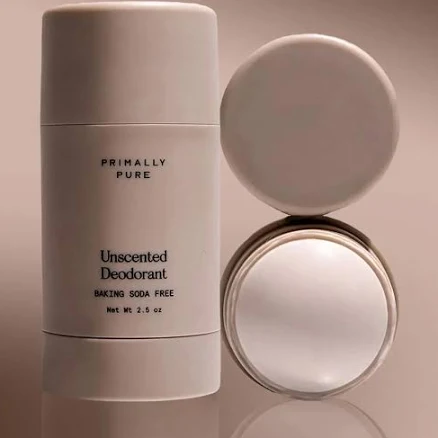
- mineral-based powder blend (arrowroot, magnesium hydroxide, mica)
- We found no PFAS statement from the brand
- Skin irritation from magnesium hydroxide alkalinity
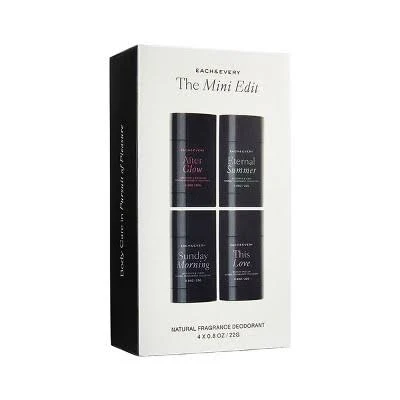
- cosmetic formulations, primary ingredients listed
- A third party reports verifying it as PFAS-free
- Fragrance allergens (natural essential oils)
2 hazards checked on this product, all on its full breakdown.
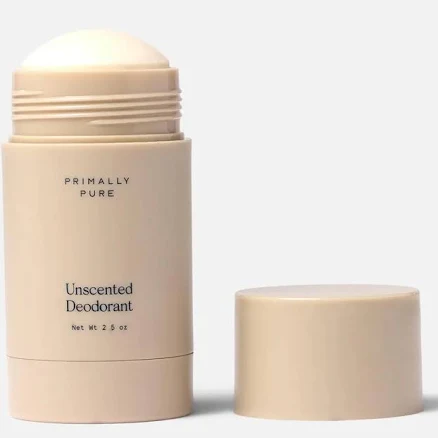
- natural mineral powders, plant-based actives, beeswax
- We found no PFAS statement from the brand
- Beeswax purity and contamination
2 hazards checked on this product, all on its full breakdown.
More deodorant grades
How we score, every product runs through the same public 0-100 rubric based on materials, coatings, brand disclosure, lab findings, and recalls. See the full methodology → Spotted a mistake? Report an error.