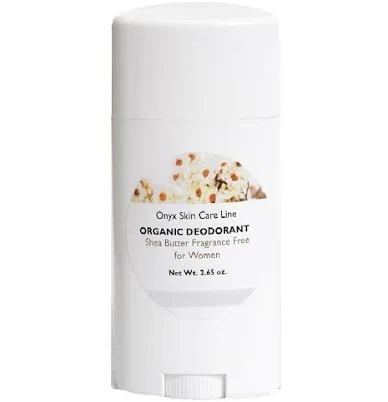
Onyx Skin Care Line Organic Deodorant Shea Butter Fragrance
Low-Medium risk natural stick deodorant with no typical PFAS triggers.
The shea butter stick contains natural ingredients without waterproofing or stain-resistance claims. Brand provides no PFAS disclosure or third-party testing.
We flunk more products than we pass. This one earned its grade. How we grade
Material
Shea butter, organic formulation (stick deodorant)
Brand disclosure
Brand is silent on PFAS
Lab data
No public lab test
You may also be interested in
Top-graded picks in the categories readers replace first, every one scored on the same rubric.

- polypropylene filter housing, carbon/sediment cartridge
- We found no PFAS statement from the brand
- Bacterial growth in spent cartridges
3 hazards checked on this product, all on its full breakdown.

Aquasure
Premier Series 75 GPD Under Sink Reverse Osmosis Water Filtration System
- RO membrane, carbon filters, stainless steel housing
- We found no PFAS statement from the brand
- Bacterial and microbial growth in housing and filters
4 hazards checked on this product, all on its full breakdown.

Avocado
Vegan Mattress
- organic cotton, natural latex, coconut coir, recycled steel coils
- The brand calls it PFAS-free, which we have not verified
- Heavy metals
2 hazards checked on this product, all on its full breakdown.
What Onyx Skin Care Line Butter Fragrance is made of, ingredients and materials
This deodorant uses shea butter as its primary base, a natural fat that provides moisture and mild antimicrobial properties without requiring synthetic preservatives or water-based emulsifiers prone to contamination. Organic certification typically excludes synthetic pesticide residues and synthetic fragrance chemicals, though the shea butter itself may still contain trace impurities from agricultural processing. The stick format avoids aerosol propellants and reduces packaging leachable risks compared to spray or cream deodorants. Fragrance comes from essential oils or fragrance compounds; if synthetic, these are a potential allergen source rather than a toxicity risk for most users.
What’s concerning
Category baseline
The starting point for this type of product, before anything specific to this product is counted.
No PFAS disclosure
No public statement from the brand about PFAS in this product.
Fragrance allergens (essential oils or fragrance compounds)
If fragrance is synthetic, common allergens include limonene, linalool, and geraniol; the product does not specify fragrance source. Essential oils themselves carry natural allergen risk and can cause contact sensitization with repeated skin exposure in susceptible individuals.
Shea butter oxidation and rancidity over time
Organic formulations without synthetic antioxidants may experience lipid peroxidation if stored poorly or after 1-2 years, producing off-odors and potentially skin irritants. No preservatives listed suggests limited shelf life once opened.
What’s reassuring
Base material not linked to PFAS
The main material recorded for this product is not one associated with PFAS.
Pesticide residue
Organic certification requires pesticide-free sourcing, but post-harvest handling in low-income producing regions (West Africa) may introduce mold or storage contaminants. No recalls or contamination reports are on record for products.
Source, EPA ↗Formaldehyde / VOCs
Shea butter-based stick formulas typically do not require water-based preservatives (the primary source of formaldehyde releasers like DMDM hydantoin). No preservatives are listed on the product, reducing this risk entirely.
Source, ATSDR ↗Heavy metals
Deodorants do not require colorants, and this product uses natural shea butter color. No established reports of heavy metal contamination in deodorants.
Source, FDA ↗How is this PFAS grade calculated?
The brand's record and disclosure
The brand markets itself as an organic, eco-conscious brand but does not publicly disclose detailed ingredient sourcing, manufacturing standards, or third-party testing results on its website or packaging. The brand's silence on PFAS use in packaging or formula processing is typical for smaller indie beauty brands but represents a transparency gap; no known controversies or recalls are on record for this product line. Organic certification suggests third-party oversight, but the specific certifying body and scope are not consistently advertised across retail channels.
How it compares in its category
Natural shea butter deodorants occupy a middle ground, associated with lower concern than aluminum-containing antiperspirants (which block sweat rather than mask odor) but typically less long-lasting than synthetic polymer-based deodorants. Compared to conventional brands using talc, parabens, or synthetic preservatives, this product avoids well-documented hazards; compared to mineral-only deodorants (baking soda, magnesium), it may be gentler on sensitive skin but offers less odor control for some users. The organic label is increasingly common in the deodorant category, making this a standard rather than premium safety choice.
If you buy it
Store in cool, dry conditions; shea butter has a low melting point (around 34-38 degrees Celsius / 93-100 Fahrenheit), so direct sunlight or hot cars will degrade the stick consistency and may affect fragrance stability. Replace every 2-3 months or when noticeably reduced, as natural formulations lack preservatives that extend shelf life in opened containers. Patch test on inner arm first if you have sensitive skin or fragrance allergies; essential oils can trigger contact dermatitis in susceptible individuals. Reapply as needed for odor control, typically once or twice daily.
What is not known about PFAS in this product?
- Basis
- Model estimate, 78% confidence, not a lab result
- Lab test
- None on record for this exact product
- Brand statement
- has made none
Formulations change between production runs, so check the current label. How we grade.
What are the PFAS-free alternatives to Onyx Skin Care Line Organic Deodorant Shea Butter Fragrance?
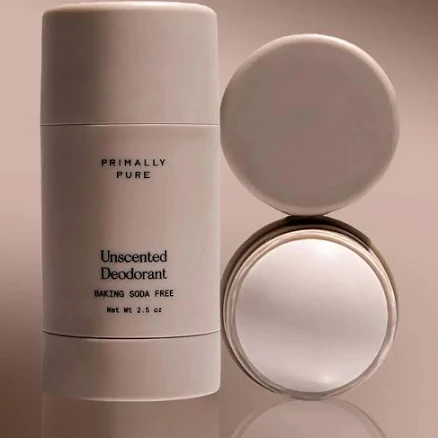
- mineral-based powder blend (arrowroot, magnesium hydroxide, mica)
- We found no PFAS statement from the brand
- Skin irritation from magnesium hydroxide alkalinity
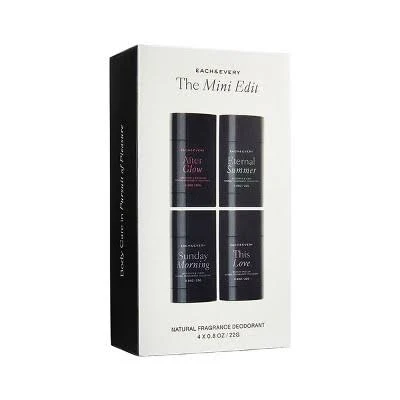
- cosmetic formulations, primary ingredients listed
- A third party reports verifying it as PFAS-free
- Fragrance allergens (natural essential oils)
2 hazards checked on this product, all on its full breakdown.
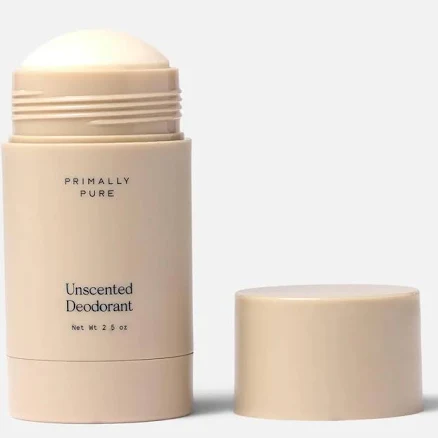
- natural mineral powders, plant-based actives, beeswax
- We found no PFAS statement from the brand
- Beeswax purity and contamination
2 hazards checked on this product, all on its full breakdown.
More deodorant grades
How we score, every product runs through the same public 0-100 rubric based on materials, coatings, brand disclosure, lab findings, and recalls. See the full methodology → Spotted a mistake? Report an error.