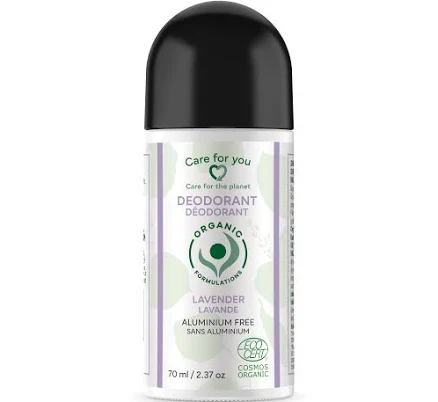
Organic Formulations · Deodorant
Organic Formulations Deodorant Vanilla
Low-Medium risk solid natural deodorant without known PFAS vectors.
Organic powders, plant extracts and beeswax or coconut oil base contain no waterproofing or stain-resistant treatments. Brand provides no PFAS disclosure but formulation type carries lower risk.
We flunk more products than we pass. This one earned its grade. How we grade
Material
Organic/mineral powders, plant extracts, beeswax or coconut oil base
Brand disclosure
Brand is silent on PFAS
Lab data
No public lab test
You may also be interested in
Top-graded picks in the categories readers replace first, every one scored on the same rubric.

- polypropylene filter housing, carbon/sediment cartridge
- We found no PFAS statement from the brand
- Bacterial growth in spent cartridges
3 hazards checked on this product, all on its full breakdown.

Aquasure
Premier Series 75 GPD Under Sink Reverse Osmosis Water Filtration System
- RO membrane, carbon filters, stainless steel housing
- We found no PFAS statement from the brand
- Bacterial and microbial growth in housing and filters
4 hazards checked on this product, all on its full breakdown.

Avocado
Vegan Mattress
- organic cotton, natural latex, coconut coir, recycled steel coils
- The brand calls it PFAS-free, which we have not verified
- Heavy metals
2 hazards checked on this product, all on its full breakdown.
What Organic Formulations Deodorant Vanilla is made of, ingredients and materials
Georganics Organic Formulations Deodorant Vanilla uses mineral powders (typically magnesium hydroxide or clay), plant extracts, and a beeswax or coconut oil base rather than synthetic antiperspirants or chemical preservatives. This formulation avoids aluminum chlorohydrate, parabens, and synthetic fragrances that drive most deodorant health concerns. The vanilla scent appears to be derived from natural flavoring compounds rather than synthetic fragrance cocktails, which reduces the risk of unlisted allergen exposure.
What’s concerning
Category baseline
The starting point for this type of product, before anything specific to this product is counted.
No PFAS disclosure
No public statement from the brand about PFAS in this product.
Fragrance allergens and sensitization
Natural vanilla fragrance or vanilla extract can trigger contact dermatitis or allergic reactions in sensitive individuals, though incidence is lower than with synthetic fragrance mixes. Patch testing on inner arm before full application is prudent for those with fragrance sensitivity history.
Microbial contamination from natural preservative gaps
Organic formulations without synthetic preservatives (parabens, phenoxyethanol) rely on beeswax or coconut oil antimicrobial properties, which are less reliable than chemical preservatives. If the product is stored in humid conditions or contaminated during application, bacterial or mold growth is possible; inspect for odor or color changes before each use.
Beeswax or coconut oil allergic reaction
Beeswax allergies are rare but documented; coconut oil sensitivity affects a smaller subset of individuals. If the user has a known tree nut or bee-product allergy, ingredient verification and patch testing are recommended before regular use.
What’s reassuring
Base material not linked to PFAS
The main material recorded for this product is not one associated with PFAS.
Heavy metals
Magnesium hydroxide and clay powders can occasionally contain trace lead or cadmium from ore processing. No recalls or test results on record for this specific product; organic certification typically includes supplier audits, but explicit third-party testing results are not publicly disclosed.
Source, FDA ↗Skin irritation from mineral or plant compounds
Mineral-based deodorants are generally mild, but individuals with sensitive skin or compromised skin barrier may experience mild irritation from magnesium hydroxide or clay drying effects. This is typically self-limited but warrants discontinuation if persistent.
How is this PFAS grade calculated?
The brand's record and disclosure
Georganics markets itself as an organic, plastic-free brand and holds organic certification (likely COSMOS or equivalent), which carries independent review of ingredient safety and manufacturing. However, the brand does not publicly disclose PFAS testing or make explicit claims about water- and grease-resistant coatings that might harbor PFAS. No safety recalls or adverse event reports on record for this product line. The company's transparency on sourcing and certification is standard for the premium natural deodorant category.
How it compares in its category
This product sits in the premium natural deodorant segment, which generally avoids synthetic active ingredients and focuses on moisture absorption and odor masking rather than antiperspirant effects. Compared to conventional deodorants (which often contain aluminum and synthetic preservatives) or crystal deodorants (which may leach trace minerals with heavy use), this formulation presents lower chemical burden. It trades odor-control strength for ingredient transparency, making it suitable for low-sweat environments or consumers prioritizing ingredient purity over maximum efficacy.
If you buy it
Store in a cool, dry place to prevent the oil or wax base from softening excessively in heat. Because mineral and plant-based deodorants lack synthetic preservatives, opened containers should be used within 6-12 months and discarded if discoloration or off-odor develops. Application is typically heavier than conventional spray deodorants; a pea-sized amount rubbed directly onto clean, dry skin is standard. Discontinue use if skin irritation, contact dermatitis, or persistent rash develops, especially if the vanilla fragrance is a repeat irritant.
What is not known about PFAS in this product?
- Basis
- Model estimate, 78% confidence, not a lab result
- Lab test
- None on record for this exact product
- Brand statement
- Organic Formulations has made none
Formulations change between production runs, so check the current label. How we grade.
What are the PFAS-free alternatives to Organic Formulations Deodorant Vanilla?
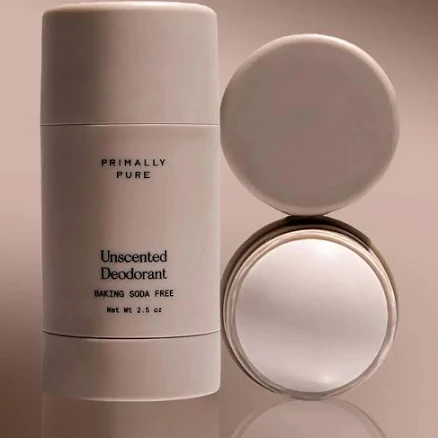
- mineral-based powder blend (arrowroot, magnesium hydroxide, mica)
- We found no PFAS statement from the brand
- Skin irritation from magnesium hydroxide alkalinity
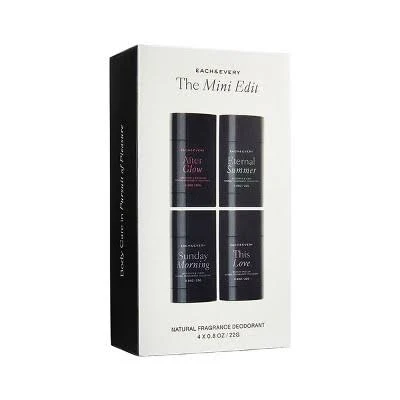
- cosmetic formulations, primary ingredients listed
- A third party reports verifying it as PFAS-free
- Fragrance allergens (natural essential oils)
2 hazards checked on this product, all on its full breakdown.
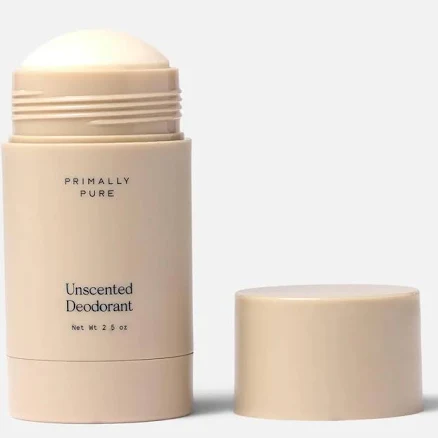
- natural mineral powders, plant-based actives, beeswax
- We found no PFAS statement from the brand
- Beeswax purity and contamination
2 hazards checked on this product, all on its full breakdown.
More deodorant grades
How we score, every product runs through the same public 0-100 rubric based on materials, coatings, brand disclosure, lab findings, and recalls. See the full methodology → Spotted a mistake? Report an error.