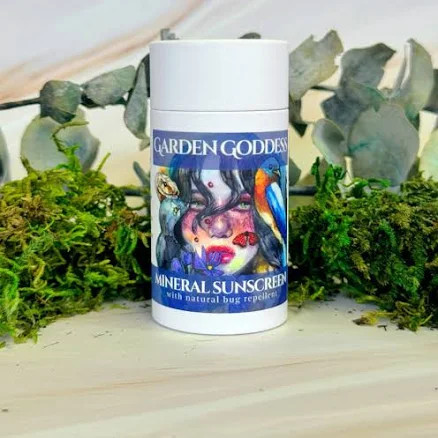
Garden Goddess Sunscreen
Low-medium concern. Mineral base presents lower PFAS risk without third-party backing.
Mineral actives don't inherently need PFAS-based water resistance coatings. The brand doesn't disclose PFAS status. Without waterproof claims, this formula carries lower risk.
We flunk more products than we pass. This one earned its grade. How we grade
Material
mineral sunscreen (zinc oxide/titanium dioxide)
Brand disclosure
Brand is silent on PFAS
Lab data
No public lab test
You may also be interested in
Top-graded picks in the categories readers replace first, every one scored on the same rubric.

- polypropylene filter housing, carbon/sediment cartridge
- We found no PFAS statement from the brand
- Bacterial growth in spent cartridges
3 hazards checked on this product, all on its full breakdown.

Aquasure
Premier Series 75 GPD Under Sink Reverse Osmosis Water Filtration System
- RO membrane, carbon filters, stainless steel housing
- We found no PFAS statement from the brand
- Bacterial and microbial growth in housing and filters
4 hazards checked on this product, all on its full breakdown.

Avocado
Vegan Mattress
- organic cotton, natural latex, coconut coir, recycled steel coils
- The brand calls it PFAS-free, which we have not verified
- Heavy metals
2 hazards checked on this product, all on its full breakdown.
What Garden Goddess Sunscreen is made of, ingredients and materials
Garden Goddess Sunscreen uses zinc oxide and titanium dioxide as active UV filters, which sit on the skin surface rather than absorbing into it. These are the only two sunscreen actives the FDA classifies as GRAS (Generally Recognized As Safe) and are favored by dermatologists for sensitive skin. Mineral sunscreens avoid the chemical filter ingredients (oxybenzone, avobenzone, octinoxate) that accumulate in the body and show environmental persistence. The formulation does not rely on waterproofing silicones or PFAS-based water-repellent coatings typical of chemical sunscreen stability.
What’s concerning
Category baseline
The starting point for this type of product, before anything specific to this product is counted.
No PFAS disclosure
No public statement from the brand about PFAS in this product.
Fragrance allergens (if added)
Goddess Garden products often include plant-derived fragrance for brand identity; fragrance is not fully disclosed on most labels and remains a known trigger for contact dermatitis in sensitive individuals, particularly on sun-exposed skin.
Parabens
Depending on the specific product line, Goddess Garden uses various preservatives (often plant-based in their natural line); some users report sensitivity to preservative systems, though this is less common than fragrance reactions.
Source, FDA ↗Mineral particle inhalation (spray formulations only)
If Goddess Garden offers spray sunscreen versions, inhaling zinc oxide or titanium dioxide particles poses minimal but documented respiratory concern; stick or lotion formats eliminate this risk entirely.
Skin occlusion or clogged pores
Mineral sunscreens create a physical barrier that some individuals with acne-prone skin find occlusive; this is a cosmetic irritation rather than a toxicological hazard but warrants testing on oily skin types before full-face application.
What’s reassuring
Base material not linked to PFAS
The main material recorded for this product is not one associated with PFAS.
Talc or talc-like contamination
No talc is listed in Goddess Garden mineral sunscreen formulations on public records. Zinc oxide and titanium dioxide can be sourced from talc-contaminated ores, but no tested recalls or complaints have emerged for this brand in published databases.
How is this PFAS grade calculated?
The brand's record and disclosure
Goddess Garden is a long-standing mineral sunscreen brand (operating since 2005) with public ingredient transparency on labels and website. The brand does not claim waterproof or extended water-resistant ratings, which is consistent with the mineral formulation type and reduces pressure to use PFAS or other solubilizers. No major recalls, FDA enforcement actions, or verified safety controversies appear in public records for this brand. The brand's silent stance on PFAS is typical of smaller natural brands that have not adopted formal testing or third-party certifications like the Cradle to Cradle or NSF standards, but absence of waterproofing claims reduces PFAS likelihood.
How it compares in its category
Mineral sunscreens like this have lower concern for systemic absorption compared to chemical filters, which have been documented in FDA biomonitoring studies. Compared to spray sunscreens (inhalation risk) and heavily fragranced formulations (fragrance allergen load), a simple mineral stick or lotion is lower risk. Most mainstream brands (Coppertone, Neutrogena) combine mineral and chemical actives or include more synthetic preservatives and fragrances; Goddess Garden's minimalist approach aligns with the clean beauty category expectation.
If you buy it
Apply generously to all sun-exposed skin at least 15 minutes before sun exposure and reapply every 2 hours or after swimming or sweating. Mineral sunscreens can leave a white cast on darker skin tones due to zinc oxide particle size; test on a small area first. Store in a cool, dry place away from direct heat; zinc oxide and titanium dioxide are stable and do not degrade significantly in home conditions. No special maintenance is needed; simply use as directed and discard if the formulation separates visibly or changes odor.
What is not known about PFAS in this product?
- Basis
- Model estimate, 72% confidence, not a lab result
- Lab test
- None on record for this exact product
- Brand statement
- Goddess Garden has made none
Formulations change between production runs, so check the current label. How we grade.
What are the PFAS-free alternatives to Garden Goddess Sunscreen?
- Mineral sunscreen, zinc oxide base
- A third party reports verifying it as PFAS-free
- 1,4-dioxane (non-intentional contaminant from surfactants/emulsifiers)
2 hazards checked on this product, all on its full breakdown.
- mineral sunscreen (zinc oxide or titanium dioxide base)
- The brand calls it PFAS-free, which we have not verified
- Synthetic fragrance allergens
More sunscreen grades
How we score, every product runs through the same public 0-100 rubric based on materials, coatings, brand disclosure, lab findings, and recalls. See the full methodology → Spotted a mistake? Report an error.