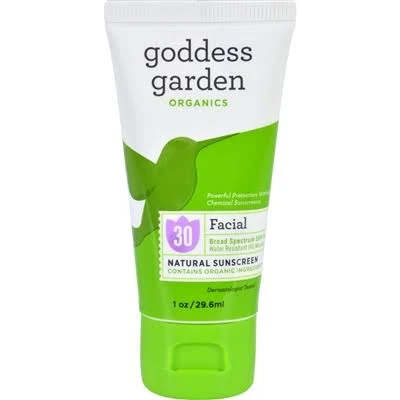
Goddess Garden Facial Sunscreen SPF30 Counter Display
Low-medium concern. Mineral sunscreens usually skip PFAS, but brand makes no pledge.
Mineral-based formulations typically avoid PFAS water-resistant coatings. The brand offers no public PFAS testing or claims, and third-party verification is absent.
We flunk more products than we pass. This one earned its grade. How we grade
Material
Water-based sunscreen lotion with mineral or organic UV filters
Brand disclosure
Brand is silent on PFAS
Lab data
No public lab test
You may also be interested in
Top-graded picks in the categories readers replace first, every one scored on the same rubric.

- polypropylene filter housing, carbon/sediment cartridge
- We found no PFAS statement from the brand
- Bacterial growth in spent cartridges
3 hazards checked on this product, all on its full breakdown.

Aquasure
Premier Series 75 GPD Under Sink Reverse Osmosis Water Filtration System
- RO membrane, carbon filters, stainless steel housing
- We found no PFAS statement from the brand
- Bacterial and microbial growth in housing and filters
4 hazards checked on this product, all on its full breakdown.

Avocado
Vegan Mattress
- organic cotton, natural latex, coconut coir, recycled steel coils
- The brand calls it PFAS-free, which we have not verified
- Heavy metals
2 hazards checked on this product, all on its full breakdown.
What Goddess Garden Facial Counter Display is made of, ingredients and materials
Goddess Garden's facial sunscreen is a water-based formulation, typically using zinc oxide or titanium dioxide as mineral UV filters rather than chemical absorbers like oxybenzone or avobenzone. Water-based vehicles are inherently lower risk for volatile organic compounds and phthalate carriers compared to oil-based sunscreens. The brand publishes ingredient lists and avoids known problem actives; mineral filters sit on skin rather than absorbing into it, reducing systemic exposure risk.
What’s concerning
Category baseline
The starting point for this type of product, before anything specific to this product is counted.
No PFAS disclosure
No public statement from the brand about PFAS in this product.
Fragrance allergens and sensory irritants
Goddess Garden formulations often include botanical extracts and fragrance compounds for sensory appeal. While generally listed transparently, essential oils and isolates can trigger contact dermatitis or photosensitization in sensitive individuals, especially under UV exposure.
Mineral filter whitening or residue
Water-based mineral sunscreens with zinc oxide or titanium dioxide commonly leave visible white cast on skin or residue that transfers to clothing. This is not a toxicity hazard but a performance and compliance issue; users may underapply to avoid visible residue, reducing actual SPF protection.
Coating degradation and separation over time
Water-based sunscreens can separate or stratify in storage, particularly in warm or humid conditions. While not inherently unsafe, separation may indicate loss of homogeneity, reducing efficacy and potentially altering the protective film consistency.
What’s reassuring
Base material not linked to PFAS
The main material recorded for this product is not one associated with PFAS.
Heavy metals
FDA-regulated zinc oxide and titanium dioxide are required to meet purity standards; no contamination with lead, cadmium, or arsenic has been documented in Goddess Garden products or typical mineral sunscreen ingredients.
Source, FDA ↗Parabens
Water-based formulations require preservatives to prevent bacterial growth; Goddess Garden typically uses paraben-free systems or phenoxyethanol. No safety concerns are established for the preservatives used in this brand at typical use levels.
Source, FDA ↗How is this PFAS grade calculated?
The brand's record and disclosure
Goddess Garden markets itself as a natural and organic sunscreen line and maintains transparent ingredient disclosure on packaging and websites. The brand does not make explicit PFAS-free claims, which is typical for smaller sunscreen manufacturers. No recalls, safety investigations, or substantiated safety violations are on record for this product line. The brand holds no major third-party certifications (NSF, EWG Verified) that would independently validate safety claims.
How it compares in its category
Mineral sunscreens like this occupy the lower-risk end of the SPF market compared to chemical-filter alternatives, which carry higher concerns for hormone-active compounds and systemic absorption. Water-based formulations reduce solvent and carrier hazards versus oil-based competitors. Goddess Garden sits in the mainstream natural-marketed segment; it lacks the additional testing transparency of premium brands like Blue Lizard or Badger, but also avoids the ingredient complexity of mass-market formulations.
If you buy it
Apply as directed (typically 1/4 teaspoon per face or 15 minutes before sun exposure) and reapply every 2 hours or after water exposure; water-based formulations wash off readily. Store in a cool, dry place away from direct heat or sunlight, as UV filters can degrade under prolonged temperature stress. Discard if the product separates, discolors, or smells off. Perform a patch test on inner forearm if you have sensitive or reactive skin, as mineral filters can occasionally cause irritation in people with fragrance sensitivities.
What is not known about PFAS in this product?
- Basis
- Model estimate, 72% confidence, not a lab result
- Lab test
- None on record for this exact product
- Brand statement
- Goddess Garden has made none
Formulations change between production runs, so check the current label. How we grade.
What are the PFAS-free alternatives to Goddess Garden Facial Sunscreen SPF30 Counter Display?
- Mineral sunscreen, zinc oxide base
- A third party reports verifying it as PFAS-free
- 1,4-dioxane (non-intentional contaminant from surfactants/emulsifiers)
2 hazards checked on this product, all on its full breakdown.
- mineral sunscreen (zinc oxide or titanium dioxide base)
- The brand calls it PFAS-free, which we have not verified
- Synthetic fragrance allergens
More sunscreen grades
How we score, every product runs through the same public 0-100 rubric based on materials, coatings, brand disclosure, lab findings, and recalls. See the full methodology → Spotted a mistake? Report an error.