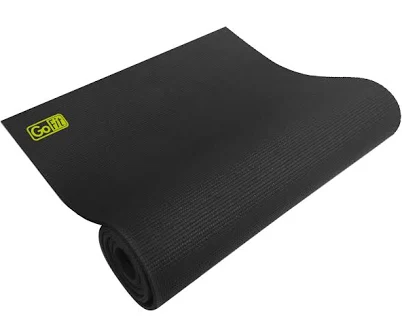
GoFit Fitness Training Yoga Mat
Skip until brand discloses material composition and PFAS status.
GoFit does not publicly disclose yoga mat material or PFAS testing. Yoga mats often use PVC or rubber with unknown additives. Request material safety information before purchase.
We flunk more products than we pass. This one earned its grade. How we grade
Material
PVC or rubber, typically uncoated
Brand disclosure
Brand is silent on PFAS
Lab data
No public lab test
You may also be interested in
Top-graded picks in the categories readers replace first, every one scored on the same rubric.

Aqua Pure
3M Aqua-Pure AP802B Whole House Filter Housing
- polypropylene filter housing, carbon/sediment cartridge
- We found no PFAS statement from the brand
- Bacterial growth in spent cartridges
3 hazards checked on this product. See all of them.

Aquasure
Premier Series 75 GPD Under Sink Reverse Osmosis Water Filtration System
- RO membrane, carbon filters, stainless steel housing
- We found no PFAS statement from the brand
- Bacterial and microbial growth in housing and filters
4 hazards checked on this product. See all of them.

Avocado
Vegan Mattress
- organic cotton, natural latex, coconut coir, recycled steel coils
- The brand calls it PFAS-free, which we have not verified
- Heavy metals
2 hazards checked on this product. See all of them.
What GoFit Fitness Training Yoga Mat is made of, ingredients and materials
GoFit yoga mats are typically PVC (polyvinyl chloride) or blended rubber, both common in fitness equipment. PVC requires plasticizers like phthalates to remain flexible, and these can off-gas as VOCs especially when new or heated. Rubber mats may contain fillers and processing chemicals. Neither material is coated according to available product information, so surface leaching depends on the base polymer and additives.
What’s concerning
Category baseline
The starting point for this type of product, before anything specific to this product is counted.
No PFAS disclosure
No public statement from the brand about PFAS in this product.
Phthalate plasticizers (PVC formulation)
PVC yoga mats commonly use phthalates (DEHP, DBP, etc.) to achieve flexibility. GoFit has not disclosed phthalate-free certification, making exposure during handling and use a reasonable concern, especially for prolonged skin contact or if mat is used in warm environments.
Volatile organic compound (VOC) off-gassing
New PVC and rubber fitness mats regularly exhibit odor and VOC release within the first weeks. This is well-documented in fitness equipment reviews and air quality studies. Symptom severity varies by individual sensitivity and ventilation; no brand-specific testing on record for GoFit.
Formaldehyde / VOCs
Adhesives used to bond PVC or rubber layers may contain formaldehyde-based resins. GoFit has not disclosed adhesive chemistry. Risk is lower than in carpet or layered textiles, but not ruled out on available information.
Source, ATSDR ↗What’s reassuring
Base material not linked to PFAS
The main material recorded for this product is not one associated with PFAS.
Coating degradation and surface leaching
GoFit mats are described as uncoated; no surface treatments are documented. Risk of leaching is therefore tied to the base polymer, not a separate coating hazard.
Flame retardants
No flame retardant content is documented for this product or typical yoga mat materials. PVC self-extinguishes; flame retardants are not a standard concern in this category unless the mat is marketed as fire-resistant.
Source, EPA ↗The full breakdown
The brand's record and disclosure
GoFit has not publicly disclosed material composition details, phthalate sourcing, or PFAS status despite these being standard queries in fitness equipment safety. No third-party certifications (such as Oeko-Tex or SGS) appear on record for this product line. The brand's silence on chemical inputs is a transparency gap common among budget-tier fitness brands, making independent verification difficult.
How it compares in its category
Standard PVC yoga mats are widespread and cheaper than rubber or TPE alternatives, but carry higher documented VOC off-gassing risk than natural rubber or certified eco-foam mats. Branded mats from Manduka, Jade, and Liforme typically publish phthalate-free claims and third-party test results; GoFit does not. For the price point, off-gassing concerns are typical of the category, not unique to this product.
If you buy it
Unroll and air the mat outdoors or in a well-ventilated space for 24-48 hours before use to reduce new-product VOC smell. Avoid direct heat (no hot yoga without a towel barrier); heat accelerates plasticizer migration. Wipe only with water or mild soap; solvents may degrade PVC. Replace if surface becomes tacky, flaking, or develops persistent chemical odor, signs of polymer breakdown.
What we don’t know
- Basis
- Model estimate, 72% confidence, not a lab result
- Lab test
- None on record for this exact product
- Brand statement
- GoFit has made none
Formulations change between production runs, so check the current label. How we grade.
Better-graded alternatives in Yoga & Exercise Mats
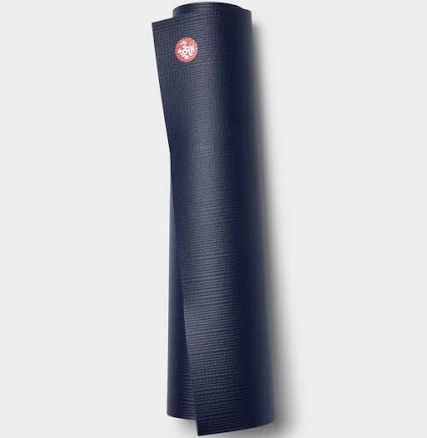
Manduka
Almost Perfect PRO Yoga Mat
- closed-cell PVC-free foam, rubber top
- A third party reports verifying it as PFAS-free
- Formaldehyde / VOCs
3 hazards checked on this product. See all of them.
Manduka
Almost Perfect PROlite Yoga Mat
- Natural rubber and PVC, no Teflon-family coating
- A third party reports verifying it as PFAS-free
- Volatile organic compounds (VOCs) from natural rubber
More yoga & exercise mats grades
How we score, every product runs through the same public 0-100 rubric based on materials, coatings, brand disclosure, lab findings, and recalls. See the full methodology → Spotted a mistake? Report an error.