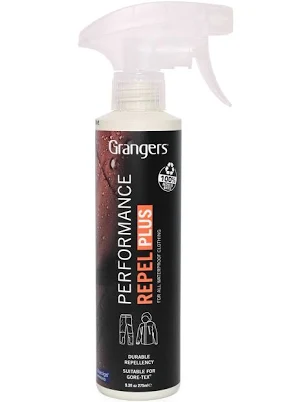
Granger's · Fabric Stain Guard Sprays
House Of Bruar Grangers Proofer Spray
Avoid until the brand discloses waterproofing chemistry.
This fabric waterproofing treatment lacks brand disclosure about PFAS content or avoidance. Waterproofing sprays historically rely on PFAS-based water-repellent coating chemistry.
Still want this one anyway? Check the price on Amazon. We’d swap it.
Material
Waterproof/water-repellent treatment on fabric
Brand disclosure
Brand is silent on PFAS
Lab data
No public lab test
What House Of Bruar Grangers Proofer Spray is made of, ingredients and materials
Granger's Proofer is a solvent-based fabric treatment spray designed to restore water repellency to outdoor textiles (jackets, packs, tents). The active waterproofing agent is not publicly specified by the brand, which is the core concern, most legacy fabric protectants in this category historically relied on PFAS chemistry (perfluorinated compounds) to achieve durable water resistance. The spray also contains volatile organic compounds (VOCs) as carriers and dispersants, released during application and drying.
What’s concerning
Category baseline
The starting point for this type of product, before anything specific to this product is counted.
No PFAS disclosure
No public statement from the brand about PFAS in this product.
Waterproof / stain-resistant treatment
Water-repellent coating treatments have historically used PFAS.
PFAS
Granger's has not disclosed the active waterproofing agent. Historical fabric protectants in this category relied on PFAS; without explicit claim of PFAS-free status, likelihood is high. No public reformulation announcement is available.
Source, ATSDR ↗Volatile organic compounds (VOCs) and solvent inhalation
Spray-based solvent formulations release VOCs during application and drying. Inhalation of high concentrations can cause headache, dizziness, and respiratory irritation. Risk is manageable with outdoor/ventilated application but present at point of use.
Skin and eye contact irritation
Solvent-based sprays carry typical risk of transient irritation if contact occurs. No specific adverse reaction reports are on record for this product, but standard precautions (gloves, eye protection) are prudent.
Bioaccumulation potential in treated textiles
If the formulation contains PFAS, treated garments may retain residual PFAS that persists through washing and wear, extending dermal exposure over months. This risk cannot be assessed without ingredient disclosure.
What’s reassuring
Fragrance allergens
No specific fragrance allergen incidents are documented for Granger's Proofer. Standard solvent sprays typically carry minimal scent load, but full ingredient list is not publicly available.
The full breakdown
The brand's record and disclosure
Granger's has not published ingredient transparency or disclosed whether this formulation contains PFAS, fluorocarbons, or PFAS-free alternatives. The brand has made no public commitment to phasing out PFAS in waterproofing products. This silence is significant, competitors like Nikwax have explicitly marketed PFAS-free options, and regulatory pressure in the EU has pushed reformulation, yet Granger's has not communicated any equivalent shift. No major recalls or documented health incidents specific to Proofer spray are on record.
How it compares in its category
Fabric stain guard sprays fall into two camps, PFAS-based (older, durable, undisclosed) and PFAS-free alternatives (wax-based, silicone-based, newer). Granger's Proofer sits in the undisclosed category, which now represents a minority position in the market. Competitors like Nikwax TX Direct and Sawyer Premium Permethrin offer explicit PFAS-free labeling and documented chemistry. For outdoor enthusiasts who need reapplication anyway, switching to a transparent PFAS-free brand avoids prolonged exposure to unknown chemistry.
If you buy it
Apply only in well-ventilated outdoor space or garage to minimize VOC inhalation; do not use indoors or in enclosed tents. Reapply every 6-12 months depending on wear and washing frequency, as waterproofing degrades naturally. Wear disposable gloves and allow garments to dry fully (2-4 hours minimum) before wearing. Consider discontinuing use if the brand does not disclose PFAS status within the product lifecycle, and transition to a named PFAS-free alternative for your next purchase.
What we don’t know
- Basis
- Model estimate, 45% confidence, not a lab result
- Lab test
- None on record for this exact product
- Brand statement
- Granger's has made none
Formulations change between production runs, so check the current label. How we grade.
Better-graded alternatives in Fabric Stain Guard Sprays
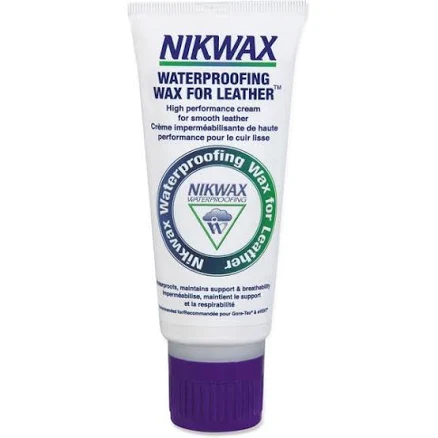
Nikwax
Waterproofing Wax for Leather
- wax-based waterproofing
- The brand calls it PFAS-free, which we have not verified
- Respiratory irritation or fume inhalation during application
2 hazards checked on this product. See all of them.
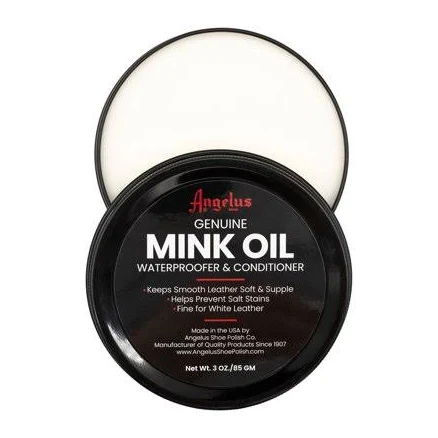
Angelus
Mink Oil Paste Leather Waterproofer and Contitioner 3 oz
- mink oil paste, natural oil-based conditioner
- We found no PFAS statement from the brand
- Microbial growth (natural oil rancidity)
2 hazards checked on this product. See all of them.
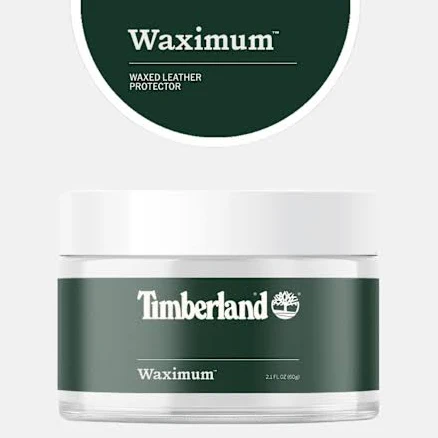
Timberland
Waximum Waxed Leather Protector
- Wax-based leather protector
- We found no PFAS statement from the brand
- Volatile organic compounds (VOCs) from solvents
3 hazards checked on this product. See all of them.
More fabric stain guard sprays grades
How we score, every product runs through the same public 0-100 rubric based on materials, coatings, brand disclosure, lab findings, and recalls. See the full methodology → Spotted a mistake? Report an error.